
Discover science
Explain why many people like to eat ... nasal discharge?
Especially at a young age, why do so many babies like it?
Browse ScienceInfo articles and explainers related to Bacteria.
1,661 published items.
Especially at a young age, why do so many babies like it?
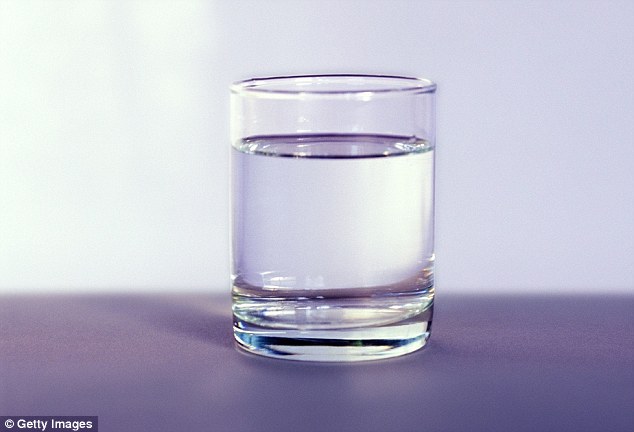
Scientists found that, if you put a cup of water outside overnight, its chemical composition may be changed so that the next morning when you drink it, it will taste sli…
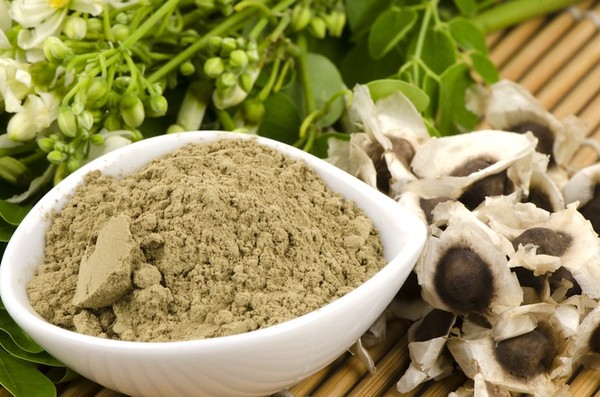
In order to have enough water to live in the desert, the Egyptians thought of a special method of water filtration thousands of years ago.
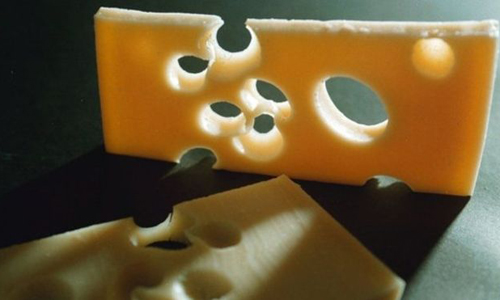
Scientists have long argued that bacteria produce holes in cheese, but a Swiss experiment center claims that the grass is the cause of the hole.
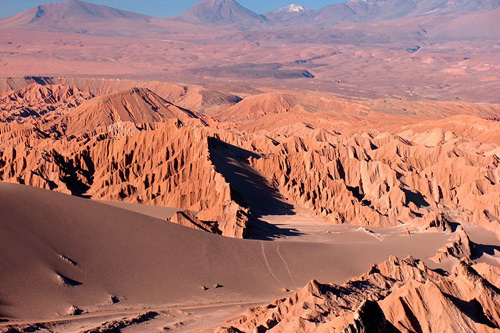
Scientists discovered many types of bacteria that live in the soil in the Atacama desert, the driest place in the world.
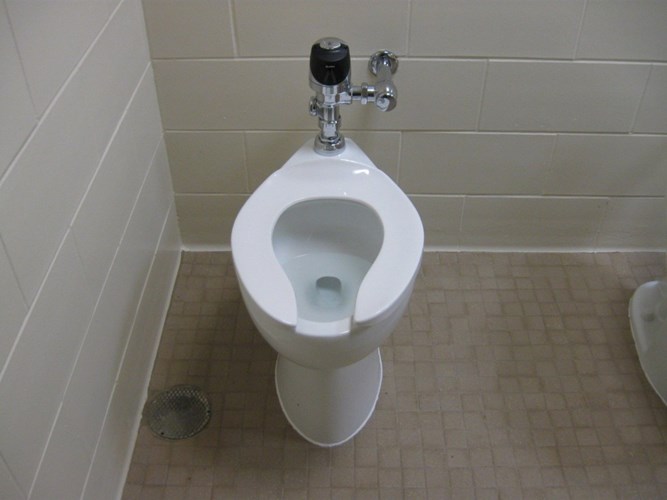
Toilet is a daily routine familiar to humans, but the startling facts about this toilet can make you dumbfounded by surprise.

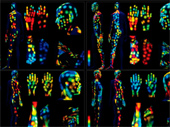
Through this 3D topographic map, experts have discovered areas of high concentration of dangerous bacteria for humans.
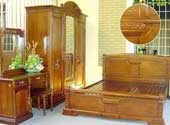
The rainy season is approaching again and worries that furniture made from their plywood will be moldy and have an unpleasant smell. The moldy smell of wood not only aff…
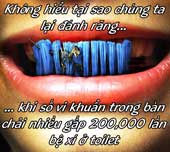
Are you confident you are a clean, neat and tidy person? Are you sure that you have eliminated any pathogenic bacteria that appear around yourself and your family?

Experts still argue about whether there is the afterlife or the life after death.

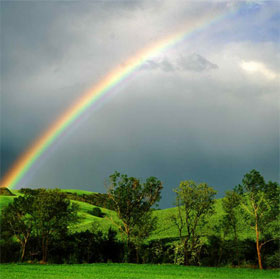
The bacterial spores, the acidity of rainwater and the smell of essential oils produced by plants, are the reason most people see a difference in odor in the air after t…
Experts hope their findings will open many new doors to study the existence of alien creatures, namely Saturn.
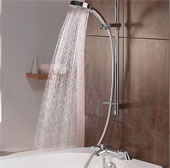
Bathing is the job almost everyone does at least once a day. Perhaps that is something too familiar to each of us.