
Discover science
How does the human body change after death?
After the person breathes the last breath, the body begins the process of decomposition: the cells are broken down, the body hardens, the organs self-destroy ...
Browse ScienceInfo articles and explainers related to Bacteria.
1,661 published items.
After the person breathes the last breath, the body begins the process of decomposition: the cells are broken down, the body hardens, the organs self-destroy ...
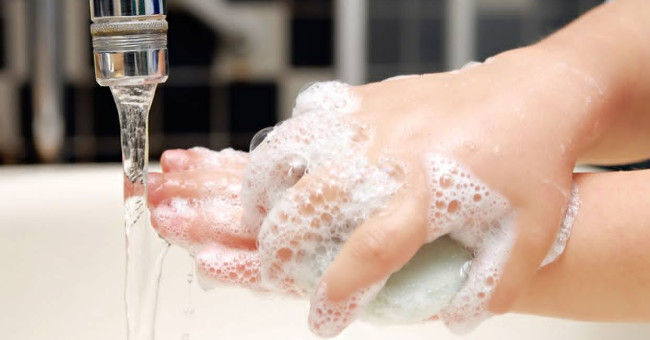
Scientists point out that the lifestyle is too clean to change the bacteria inside the body and easily lead to allergies, asthma, type 1 diabetes.
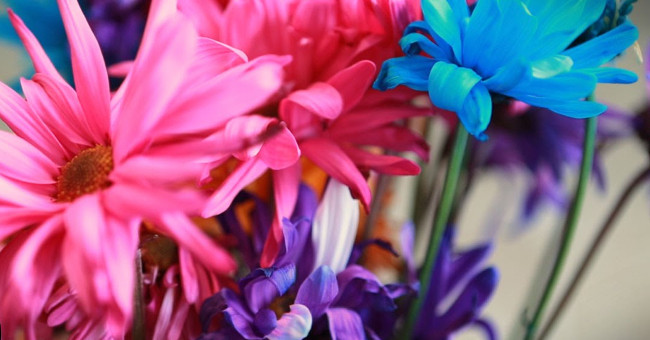
A fresh vase of flowers will make your desk or room come alive, brightening the closed space. However, not everyone knows how to keep flowers cut off from the beautiful…

Looking at the neat room, not many people know the secret of cleaning the bed under the bed sheet, on the pillow, the bathroom or in the cup of water you drink.
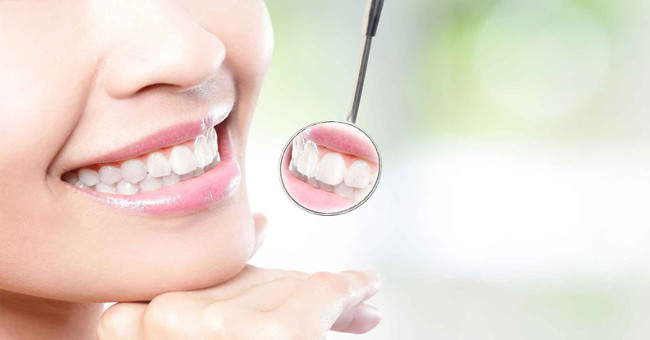
The teeth as well as the fingerprints of people, teeth and gums are all important ... are two of the few things about the tooth, according to Healthline.
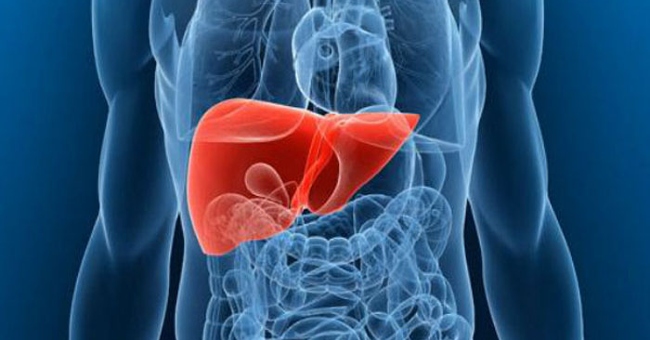
The liver regains its original size after surgery, the salivary glands secrete 1.5 liters per day, the body begins to decompose immediately after 4 minutes of stopping b…

Contrary to popular opinion the bathroom is the place that contains the most bacteria, the kitchen is the dirtiest place in the house.

Research shows that on your keyboard, there are more than 3,000 microorganisms growing every 6.45 cm2.

Previous evidence has been found to show that there was a giant meteorite hitting the Earth, in the area of today's Gulf of Mexico.

Farting or 'farting' like how to call in folk is the basic physiological activity of people, but sometimes inconvenient for 'suffering' and makes people around them unco…

When going to the pool, we often hear the smell of the pungent odor of chlorine gas. So how does the chlorine solution in swimming pools work?
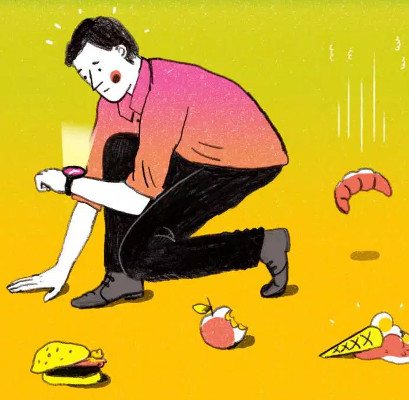
The food that falls on the ground less than 5 seconds does not have enough time for bacteria to stick to the soil so it can still be eaten safely.
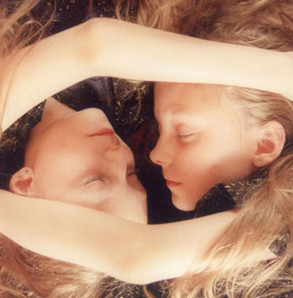
Once upon a time, your origins were explained very easily. Your father met your mother, they had a little fun together, and from a tiny egg fertilized, you screamed and…

You may not want to swim in your saliva, but if you save all your saliva, you will have about 28,000 liters in your life, enough to fill a pool.
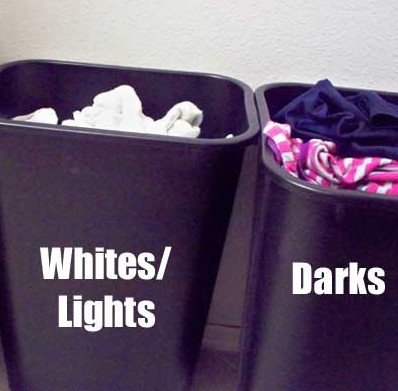
With the tips below, you can completely overcome the items that are soaked in rainwater.