Oceanography
Amazing secrets in the ocean
Dolphins with penetrating vision, brain-eating or catfish-eating ink, with up to 100,000 spikes are interesting memorabilia of the ocean world discovered by scientists.
Browse ScienceInfo articles and explainers related to Bacteria.
1,661 published items.
Dolphins with penetrating vision, brain-eating or catfish-eating ink, with up to 100,000 spikes are interesting memorabilia of the ocean world discovered by scientists.
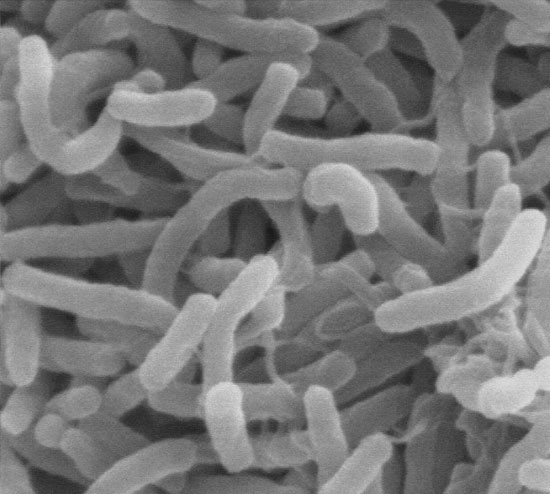
The density of cholera-causing bacteria and food poisoning in seawater increases significantly due to rising temperatures in the oceans.
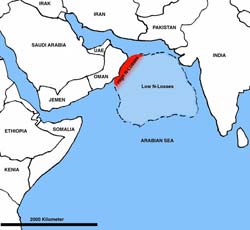
Marine microbiologists from Max Planck Research Institute, Germany, and colleagues have discovered that the process of denitrifying bacteria is the main pathway to the l…

Scientists have discovered a giant carpet of bacteria in the 130,000-square-kilometer oceanic ocean off the coast of Chile and Peru.
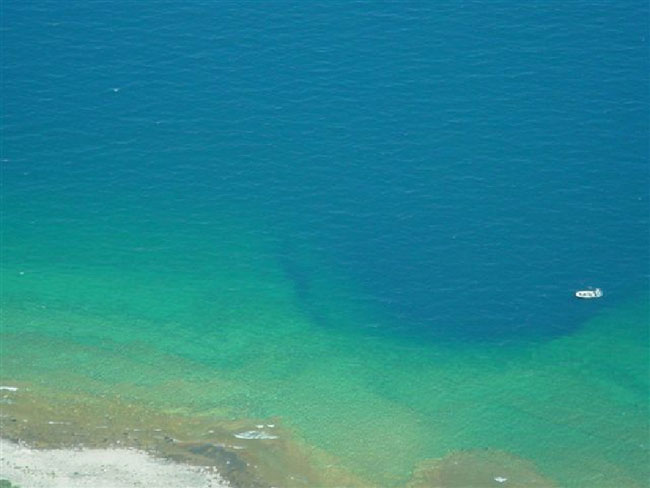
Strange geological formations are creating conditions for the floating microbial carpet to grow in the Great Lakes.

A beach trip means sand in your feet, salt water in your mouth and cool air in your nose. But what brought the sea something so pleasant and unmistakable? Now the curtai…
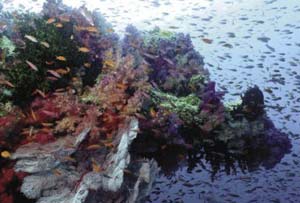
Corals can be damaged by a process similar to human decay. Under normal conditions corals live in symbiosis with unicellular algae, but when environmental pollution occu…
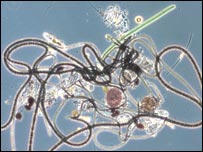
One liter of seawater can contain more than 20,000 different types of bacteria, a recent discovery by scientists. This huge number was determined by an international pro…
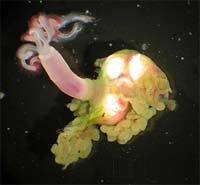
The worm lives on the skeleton of a small gray whale in an undersea gulf off California as the first known whale-eating seaworm. On the whale bone, once the worms have b…

A multinational research group found that the deepest sea floor of the Pacific presents a mysterious creature gobbling up carbon dioxide.
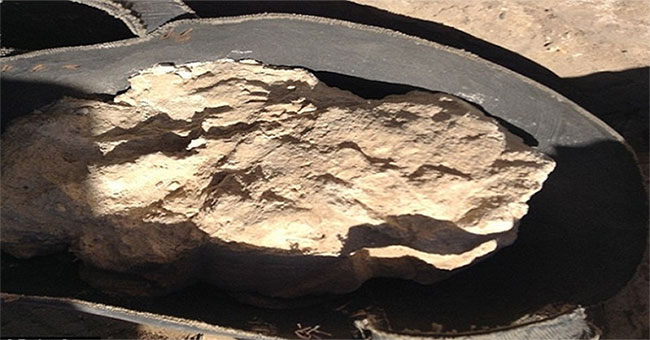
The cheese jar is buried next to Ptahmes, the mayor of the ancient Egyptian city of Memphis, according to Long Room.
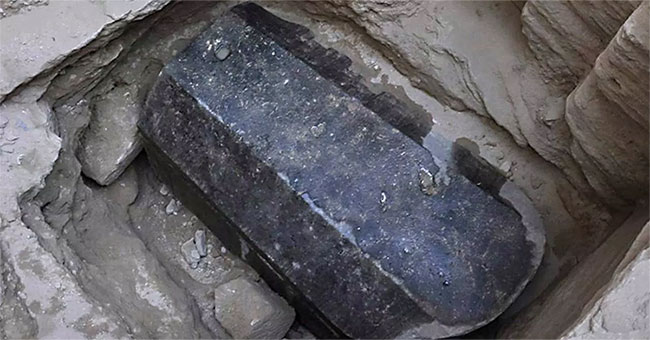
Archaeologists opened a 2,000-year-old black coffin in Alexandria, Egypt on July 19 to learn about the interior.

Dr. Stephen J. Gluckman, a professor of medicine at the School of Medicine at the University of Pennsylvania, USA, diagnosed the illness of Sultan Saladin after carefull…
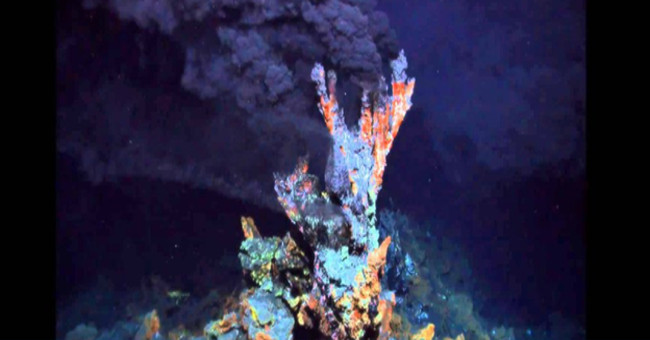
Since ancient times, there is only one form of life on earth - that is the most common common ancestor of all cells, or LUCA.
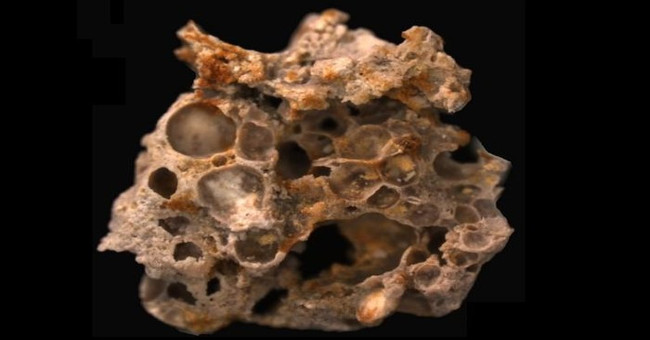
According to Geobiology magazine, Swedish and Danish paleontologists analyzed the 1.6-billion-year-old fossils, found in central India.