Biology
Discover shock about bacterial growth in space
Some species of space bacteria are growing stronger than on the Earth that confuses the scientific world
Browse ScienceInfo articles and explainers related to Bacteria.
1,661 published items.
Some species of space bacteria are growing stronger than on the Earth that confuses the scientific world
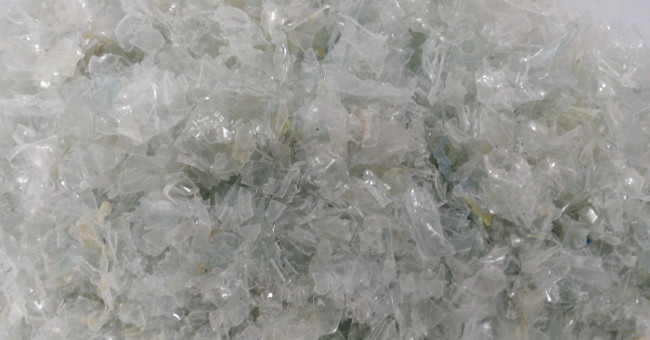
A group of researchers at the Kyoto Institute of Technology (Japan) has discovered a new bacterium that is capable of producing a very effective plastic destruction enzy…

A new breakthrough in gene regulation technology, the scientific world penetrates the vast amount of knowledge left open about DNA.
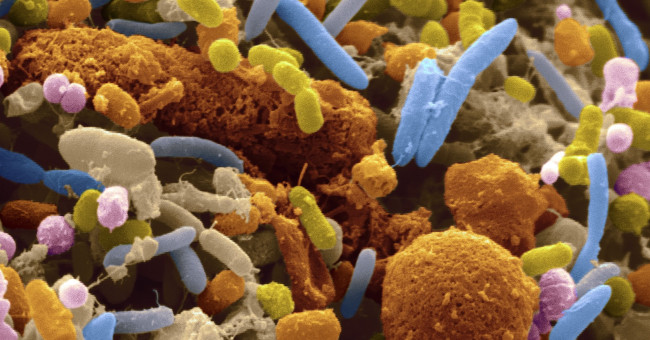
New research by an international team of scientists shows that an average person carries 1.3 times the number of bacteria in their bodies.
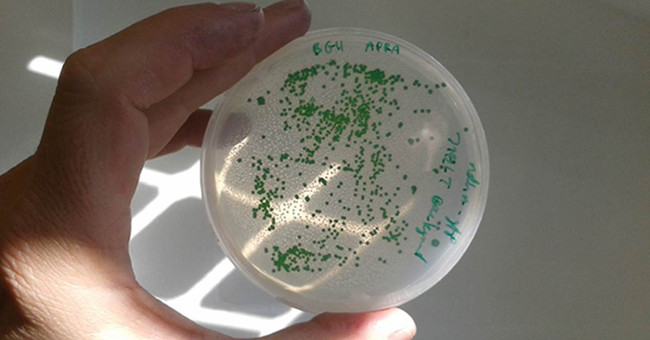
In a recent surprise discovery, scientists realized that some types of bacteria could see the world in a way similar to humans.
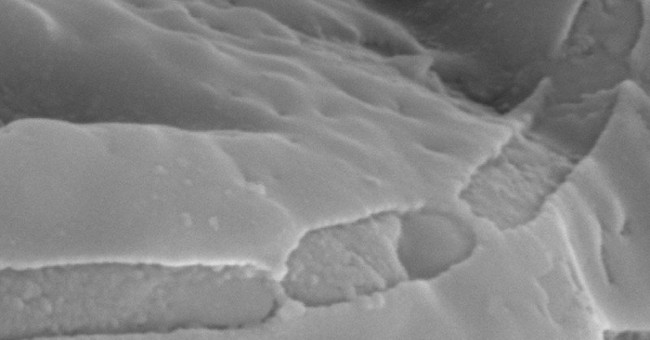
Fossils in Africa show that the ancient bacteria have found deadly UV-hiding rocks in the Taihu era when life began to form on Earth.

The bacteria communicate with each other similarly
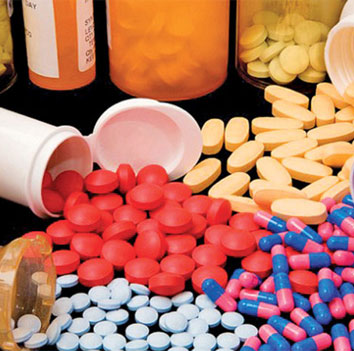
Currently, there are several types of 'viruses' that are resistant to all antibiotics, the most common of which are intestinal gram-negative bacteria.

The human body is home to trillions of bacteria, but we cannot see them.
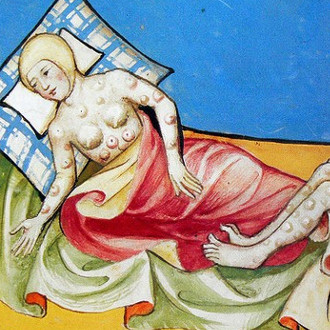
Some recent research has found the cause of the bacteria causing pandemics
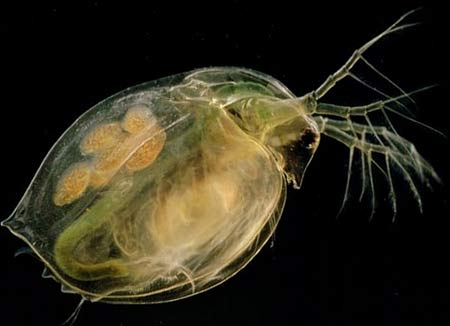
Where on earth without bacteria? In the soil, water, air, from volcanoes to deep sea, there is always the presence of a tiny rod. It was an ancient
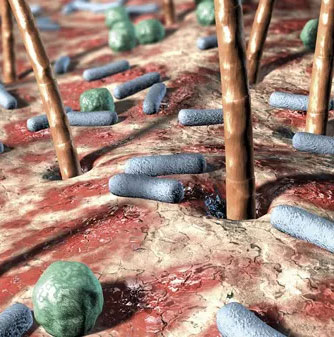
A new study confirms the usefulness and importance of bacteria for the human body.
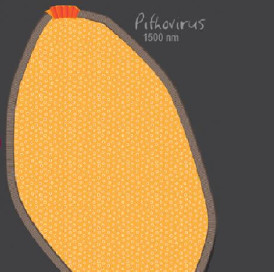
The virus is a living creature, and in the old days it also has cells like bacteria, fungi, plants and even animals today. That was the surprising conclusion of scientis…
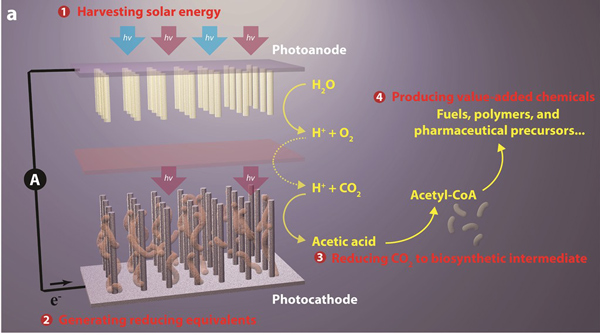
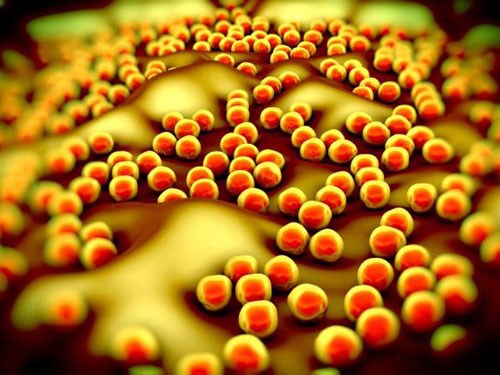
Experts from the University of Queensland (Australia) have found a group of synthetic sugars that can bind and destroy bacterial cell walls, opening up the ability to cr…