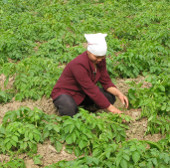
Scientific applicationResearchers from the Department of Agronomy, University of Agriculture and Forestry - Hue University have studied and successfully produced nodule bacteria to increase p…
December 16, 2018
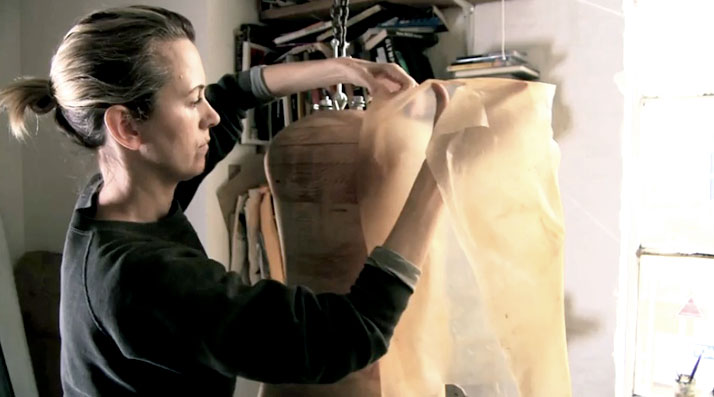
Scientific applicationFrom tea, sugar and bacteria, a British designer created very handy and fashionable outfits. The only problem of this fabric is that it absorbs moisture very strongly an…
December 16, 2018
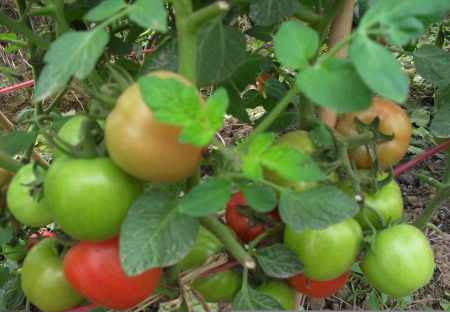
Scientific applicationCenter of Biological Engineering Application (Vietnam Union of Science and Technology Associations) has just studied and successfully applied and produced EM biological…
December 16, 2018
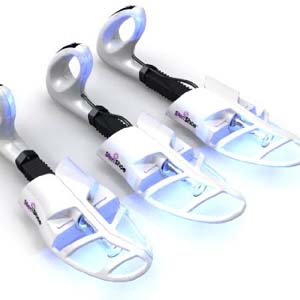
Scientific applicationAmerican inventors have invented a device that uses ultraviolet rays, has the ability to disinfect, makes the shoes that you go no longer smell unpleasant even if you ge…
December 16, 2018
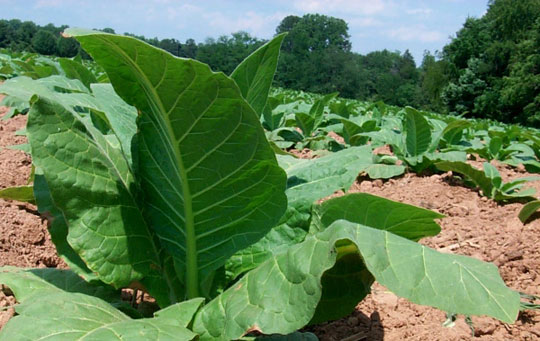
Scientific applicationFor centuries people have used tobacco as a natural organic insecticide. Recently, US scientists affirmed that this is a potential replacement for traditional pesticides.
December 16, 2018
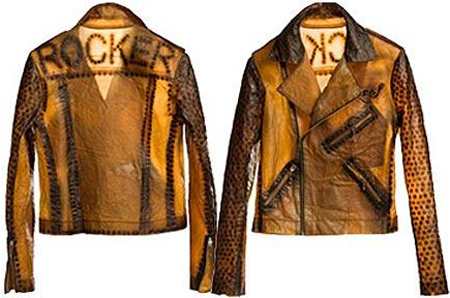
Scientific applicationBritish scientists have found a way to build fabrics that are identical to leather, but transparent, light and very tough from green tea leaves.
December 16, 2018
Scientific applicationAccording to the US Energy Commission, uranium radioactivity in nuclear power plants, arsenals, research centers and areas where nuclear bombs have occurred such as Hiro…
December 16, 2018
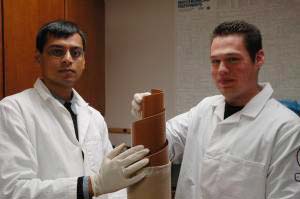
Scientific applicationEngineers have developed a system that uses simple water filtration techniques that can help eliminate 100% of bacteria. This technique takes advantage of specialized re…
December 16, 2018
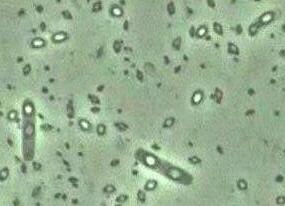
Scientific applicationUsing nearly 10 strains of Bacillus thuringiensis (Bt) isolated in Vietnam, experts from the Institute of Biotechnology (Vietnam Academy of Science and Technology) have…
December 16, 2018
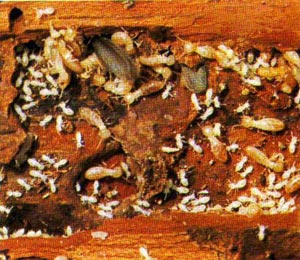
Scientific applicationTermites are one of the most dangerous pests in the world. Each year, they can eat up to millions of wood. Currently, American scientists are studying the possibility of…
December 16, 2018
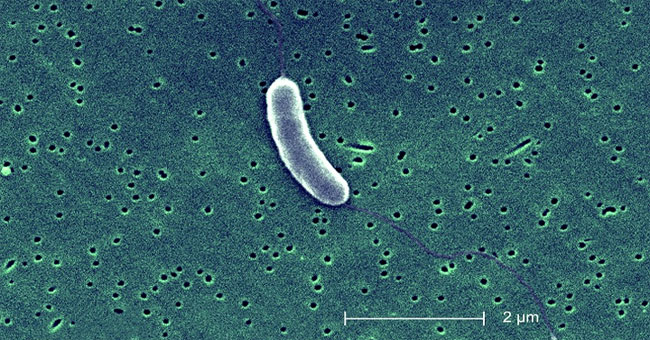
EnvironmentIt is now a hot period of the year and most people flock to the sea. And this is also the time when doctors noted the rise of a human predatory bacterium called Vibrio.
December 16, 2018
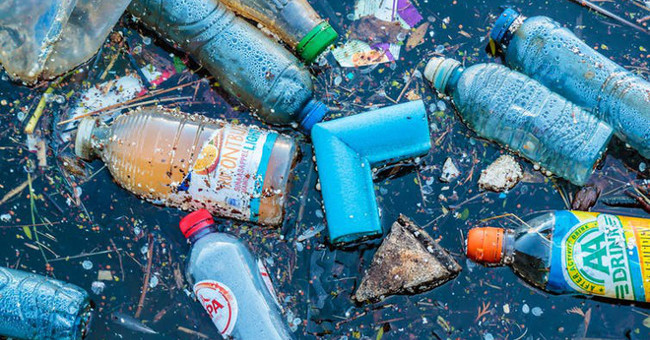
EnvironmentThe plastic bottles we throw away daily will last for hundreds of years. That is one of the important reasons why the problem of plastic pollution has become so serious…
December 16, 2018
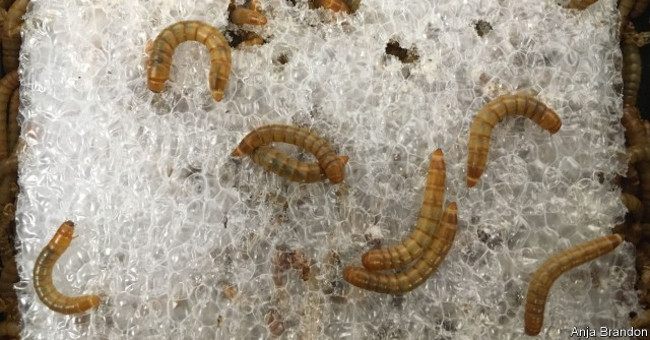
EnvironmentThe plastics manufacturing industry has grown three times in the last 25 years, leaving the corresponding consequences severely.
December 16, 2018
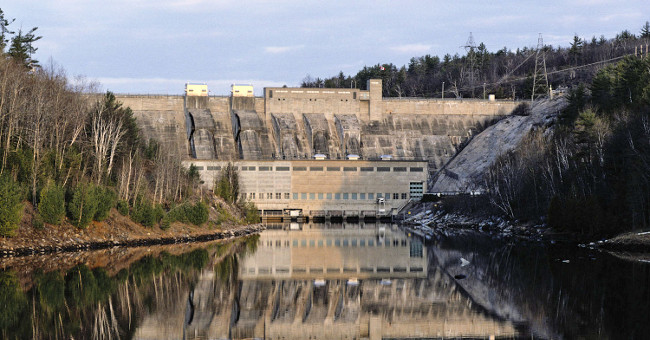
EnvironmentOnce upon a time, hydropower was the first choice and superior to thermoelectricity and other forms of power because of its low cost, high performance and ... friendly e…
December 16, 2018
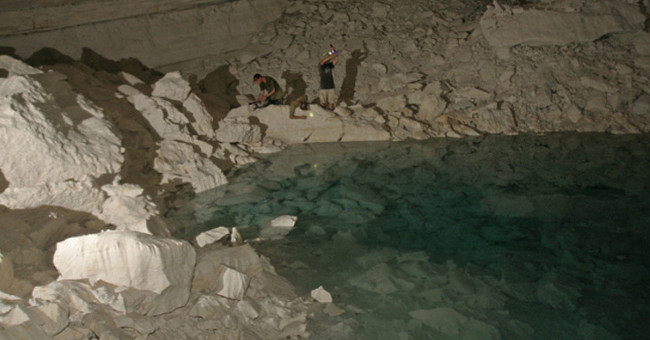
EnvironmentResearchers found evidence of alien life in the oldest lake in the world deep underground in northern Ontario, Canada.
December 16, 2018