
New technologyThe Saltp-1P was first developed by the researchers in December, but in the latest version, the robot was equipped with small pushrods that could move side by side.
December 12, 2018
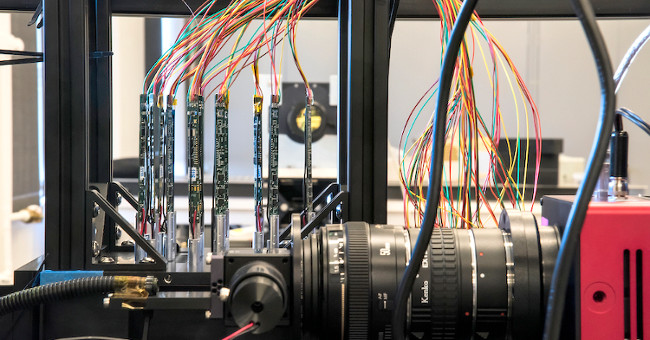
New technologyScientists at Lawrence Berkeley National Laboratory plan to use a 5,000-robot astronomical system to establish the most detailed 3D map of the universe. Currently the mi…
December 12, 2018
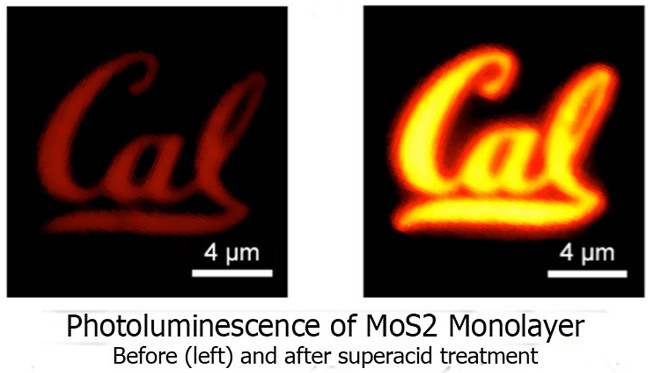
New technologyWith a breakthrough in the process of producing ultra-thin semiconductor films at the atomic level, scientists have set the stage for the emergence of transparent LED di…
December 12, 2018

New technologyBy using a laser to bombard hot plasma in a desktop-plasma laser accelerator, the scientists created accelerated energy to 4.25 giga-electron volts (GeV).
December 12, 2018
New technologyScientists at the University of Illinois, Berkeley, have created a robot that is just over 1cm in size, built on the backbone hydrogel printed from a 3D printer.
December 11, 2018

New technologyMany organizations around the world are looking for ways to harness the energy of ocean waves as renewable energy.
December 11, 2018
New technologyFor the past five years, Professor Peza Alam and a team of scientists at the University of California, Berkeley, have successfully researched how to create a mechanical…
December 11, 2018

New technologyNew materials allow control of light and temperature, helping to create new window generations
December 11, 2018
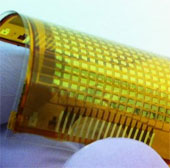
New technologyA team led by Professor Ali Javey, head of UC Berkeley's electrical and computer engineering department, has successfully developed the first sensor network that all…
December 11, 2018
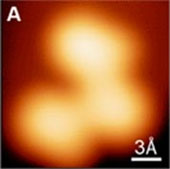
New technologyThese scientists have obtained precious photographs from a very random chance when they are conducting chemical experiments with graphene metaphor. However, their findin…
December 11, 2018
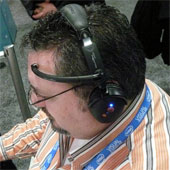
New technologyJohn Chuang, an associate professor at the School of Information Technology at the University of California, Berkeley, and colleagues have created a device that can iden…
December 11, 2018

New technologyThe original design, called DASH (Dynamic Autonomous Sprawled Hexapod), was renamed to DASH + Wings when it was equipped with wings, which was used to discover how flapp…
December 11, 2018
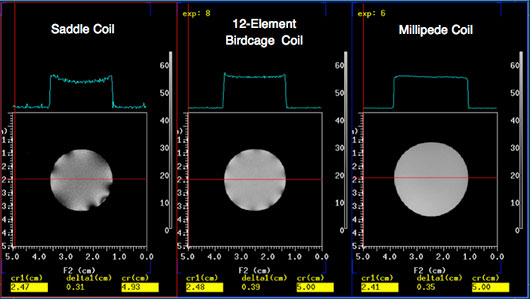
New technologyUsing functional magnetic resonance imaging (fMRI) and computer simulated models, researchers working at the University of UC Berkeley in the United States have succeede…
December 11, 2018
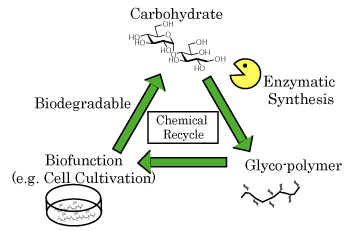
New technologyThe Chemical Industry will be researched and developed according to trends
December 11, 2018
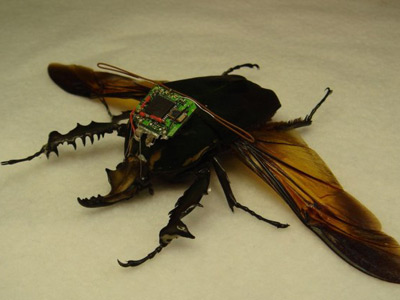
New technologySpies can immediately overhear a conversation using second-hand insects in a US-invested study ...
December 11, 2018