Discover science
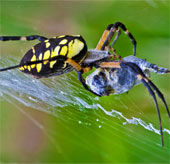
Why can spider web trap the insects?
Researchers at the University of California at Berkeley (USA) have discovered spider webs that trap flying insects (such as butterflies, dragonflies, etc.) with electros…
Browse ScienceInfo articles and explainers related to Berkeley.
63 published items.
Researchers at the University of California at Berkeley (USA) have discovered spider webs that trap flying insects (such as butterflies, dragonflies, etc.) with electros…
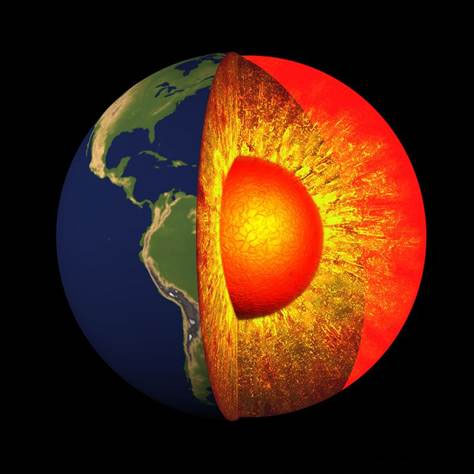
Scientists at the Berkeley Laboratory, USA, and colleagues used the KamLAND detector to measure the amount of radiation emitted by earth's heat sources.

Scientists have discovered five more isotopes of the super-heavy element element through observing the continuous radiation of Alpha particles.

In the 1980s, physicist Richard Muller at the University of California, Berkeley presented the idea of a twin star with our Sun.
From the University of California, Berkeley, scientists designed the geostationary satellite line to bring sensors, cameras and analytical software to control forest fir…
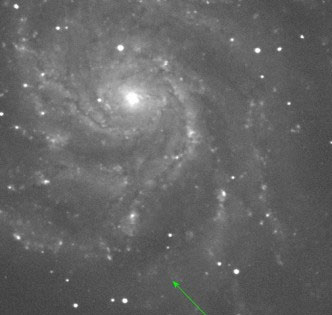
On August 25, a supernova was discovered, about 21 million light-years from Earth, closer to any supernova ever.

Astronomers are still unable to explain a mysterious bright area discovered by NASA's Hubble Space Telescope for the first time in 2006.


US scientists published research on microbes that could be considered the smallest form of life on Earth.

In fact, for every group of more than 3,000 people, there will be at least one part of their individual genome arranged in a sequence, so learning about individual genom…
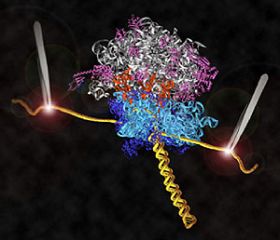
Research by molecular biologist Harry Noller and colleagues at UC Santa Cruz has led to success in directly observing the mechanism of protein synthesis in living cells.
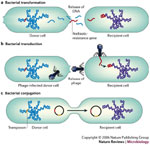
Bacteria are often thought to be organisms capable of sharing genetic structures, for example, by spreading genes that are resistant to drugs. But what is the level of g…
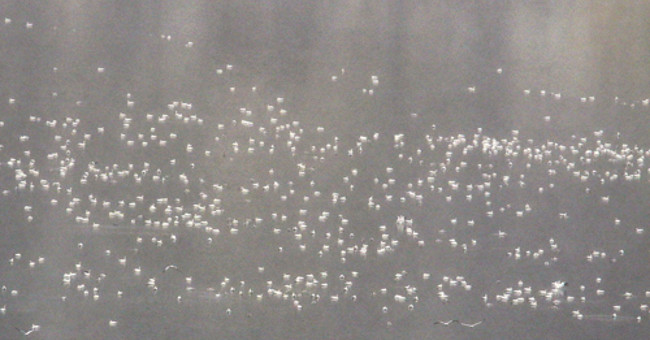
The bodies of 10,000 snow geese were discovered in a lake filled with heavy metals and sulfuric acid near the copper mine in Montana, USA.
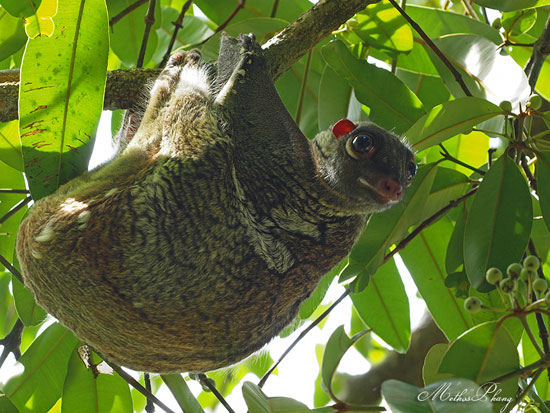
Scientists working at the University of California, Berkeley, USA discovered that Colugo's flying lemur moves by sliding in the air to save time,
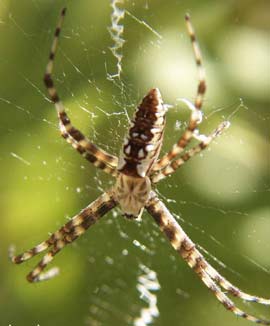
Ecologist Todd Blackledge of the University of California, Berkeley (USA) - has been working for a long time - assuming that many spiders often adorn their nets with shi…