Medicine - Health
Biological arms controlled by brain signals
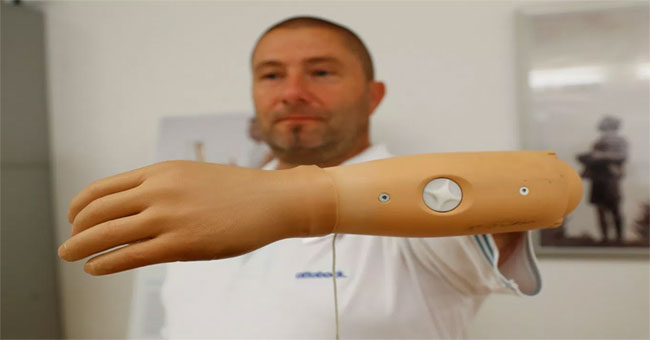
Austrian scientists have introduced a prosthetic arm that can be controlled by thought, bringing new perspectives to people with disabilities.
Browse ScienceInfo articles and explainers related to Bio.
240 published items.
Austrian scientists have introduced a prosthetic arm that can be controlled by thought, bringing new perspectives to people with disabilities.

The immediate detoxifying gel for people exposed to pesticides will help protect the health of more than 260 million Indian farmers and farmers in other countries.
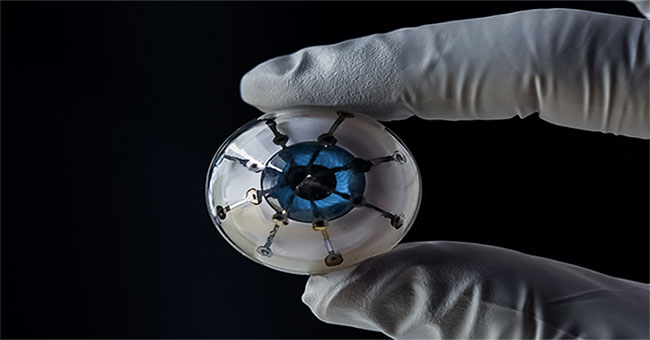
Researchers at the University of Minnesota have printed a series of light receptors on a hemispherical surface.

According to Bloomberg, the two companies' companies hope to produce food for people from waste.
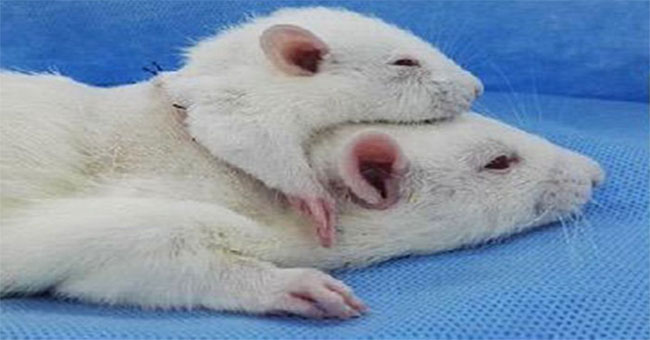
Dr. Sergio Canavero confirmed that he cut and reconnected the mouse's spinal cord with a special bio-colloid.
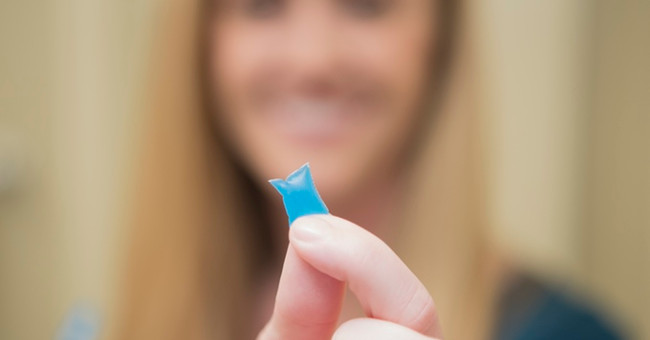
This bio-peel will dissolve in the mouth after a few seconds and produce the right amount of creams the dentist recommends.
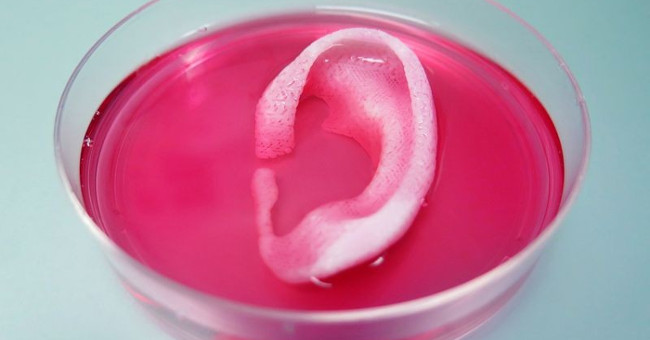
Experts have recently succeeded in printing an ear
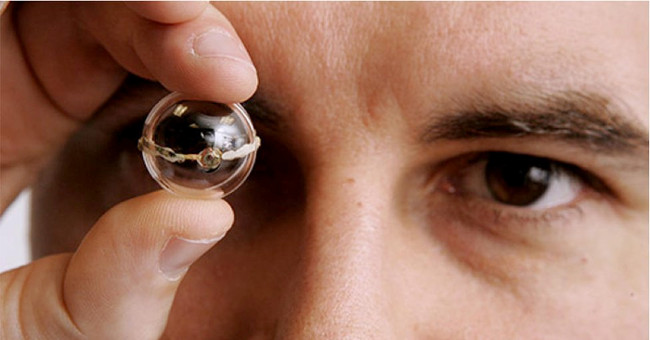
Scientists believe that their biomimetic eyes will be able to restore sight to millions of people around the world. And will also find solutions to problems related to R…
Many organizations and individuals around the world agree to fund an Italian doctor's head transplant project, although some experts think this is crazy.
Biological cement (a chemical glue) used in hip replacement surgery is considered to be the cause of many patients' deaths.
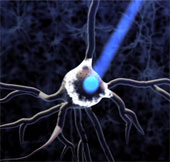
Scientists from the Stanford University's Bio-X division have used gene therapy to manipulate mice, so light can be used on the legs of mice to alter the sensitivity of…
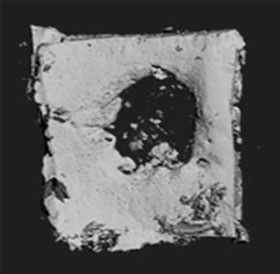
The new bio-glaze includes a collagen frame and is designed to fit into areas where bone regeneration is needed.
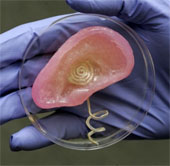
American scientists have invented a breakthrough, capable bio-mechanical ear
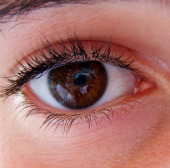
The positive test results on the electronic implantation of the retina for the blind were published by Retina Implant AG (Germany) in the medical journal of British Proc…
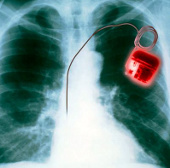
The human heart is made up of billions of cells and at least 10,000 cells are responsible for controlling the beat.