Medicine - Health
Female is XX, male is XY, but why not have YY chromosome?
You probably remember this legendary illustration in a biological textbook. Sex chromosome (chromosome) is a microscope, female is XX and male is XY.
Browse ScienceInfo articles and explainers related to Biological.
701 published items.
You probably remember this legendary illustration in a biological textbook. Sex chromosome (chromosome) is a microscope, female is XX and male is XY.
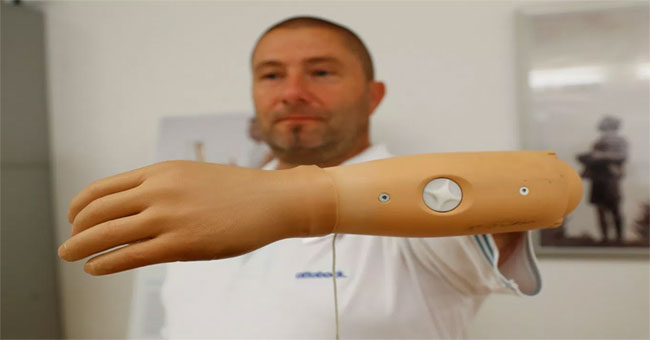
Austrian scientists have introduced a prosthetic arm that can be controlled by thought, bringing new perspectives to people with disabilities.

The immediate detoxifying gel for people exposed to pesticides will help protect the health of more than 260 million Indian farmers and farmers in other countries.
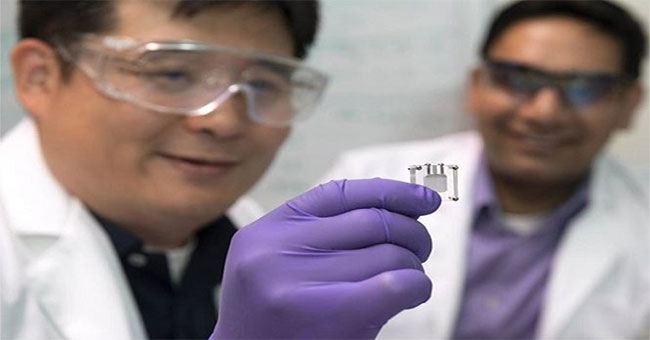
Researchers at Washington State University (WSU) have developed an implantable biosensor.

In a new study published in the journal Lab on a Chip, a team of experts from the University of Toronto (Canada) tested the device on small wounds in pigs and mice.
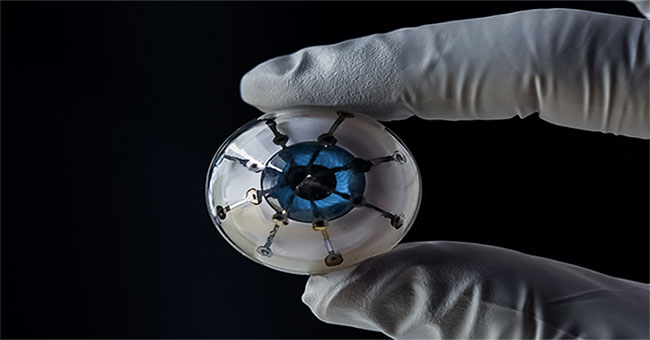
Researchers at the University of Minnesota have printed a series of light receptors on a hemispherical surface.

Lung transplantation can save thousands of lives every year, but the source of organs is very limited and most patients will die while waiting for organs from donors.

The Yale University team (USA) has just launched a blood test and a life test: calculate the biological age and tell you how many years you have left before your eyes.

The youth team consists of 12 players who are teenagers (11-16 years old) and 25-year-old coaches missing in Tham Luang cave in Chiang Rai province for 9 days from June…

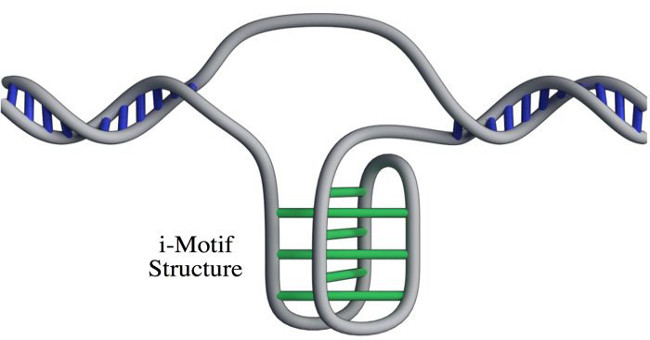
These molecular variants may have certain effects on the biological functions of the body.
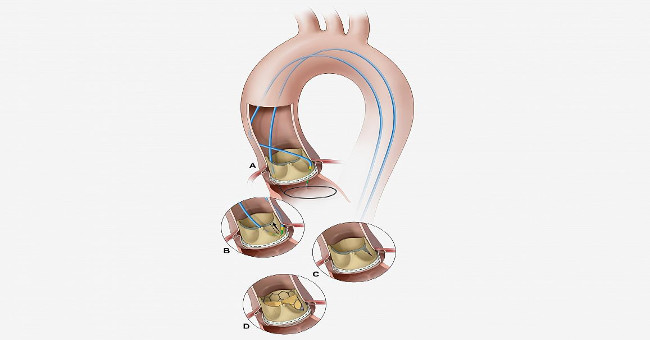
For elderly or weak patients, TAVR provides a more effective and less invasive alternative than cardiac surgery. T

Trying to sleep more in the morning does not help you, because the biological clock is turned upside down when done
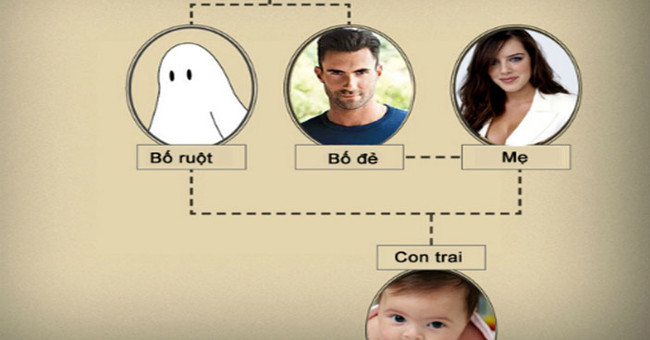
When you take any two cells in your body for genetic testing, they are more likely to have identical DNA.
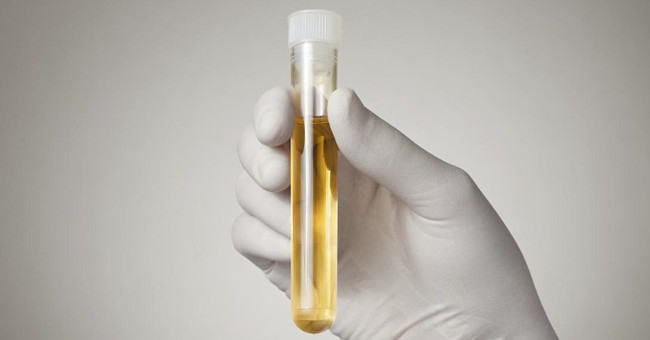
Knowing your biological age is also important, as it can be used to determine the risk of age-related diseases or even the risk of death.