AI - Artificial intelligence
How Does Humanoid Robot Locomotion Work?
Humanoid robot locomotion is the control of walking, running, stepping and terrain adaptation on a human-like body while maintaining balance, managing contacts and coord…
Browse ScienceInfo articles and explainers related to Bipedal.
20 published items.
Humanoid robot locomotion is the control of walking, running, stepping and terrain adaptation on a human-like body while maintaining balance, managing contacts and coord…

This new dinosaur is a bipedal herbivore, the most important feature is a tail that curves downward unlike other dinosaurs where the tail is horizontal.
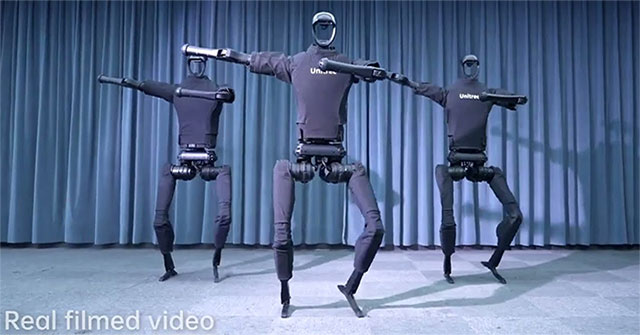
Unitree Robotics announced that its bipedal humanoid robot H1 set a new speed record by moving at 3.3 meters per second (11.9 km/h).
With over 10 Grammy Awards, 30 AMA Awards and 2 Brit Awards, Taylor Swift is no stranger to the scene of walking on stage to receive awards.

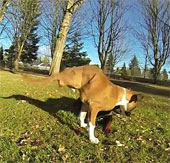
Dexter lost a leg in a traffic accident, but this helped the dog learn a new way of moving.
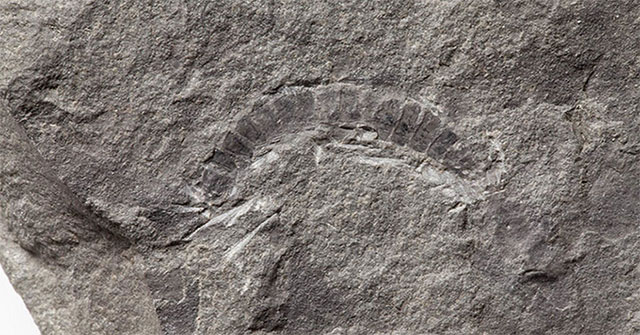
Roll fossils found on the Scottish island of Kerrera become the oldest beetle specimen in the world, according to new research from the University of Texas.
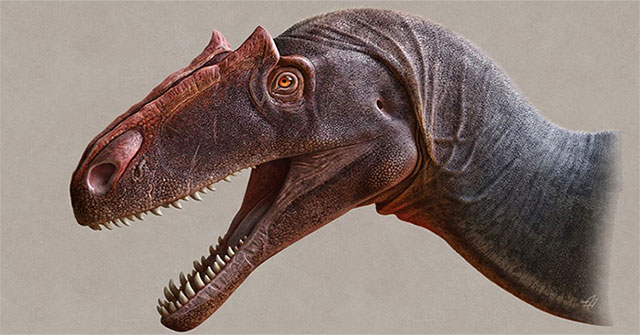
A 155 million-year-old fossil in Utah reveals a bipedal carnivore that once inhabited western North America.
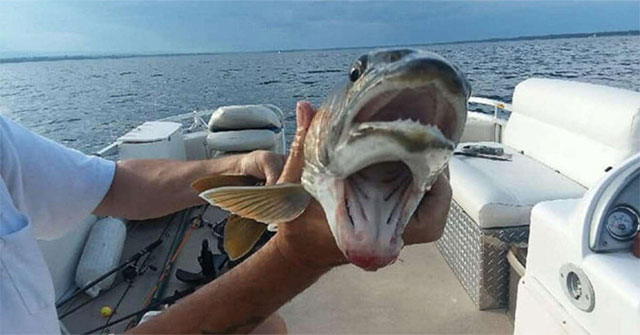
In response to Fox News, Debbie Geddes said she caught this bizarre fish when the couple drove on Lake Champlain, between New York and Vermont states.
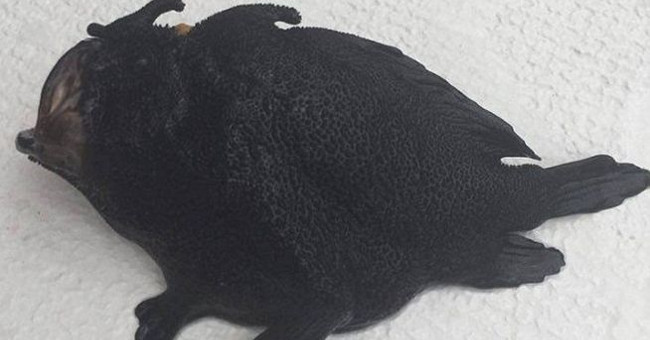
Black bipedal creature suspects that toadfish are found in a bay area of New Zealand.
A fairly complete 6,500 year old skeleton set found 85 years ago has been forgotten in the museum. When it was time to clean up the museum, people discovered it by chanc…

Another group of researchers said traces were discovered in the US state of Wyoming, a swimming bipedal dinosaur. The size of an ostrich, this dinosaur roamed the shore…
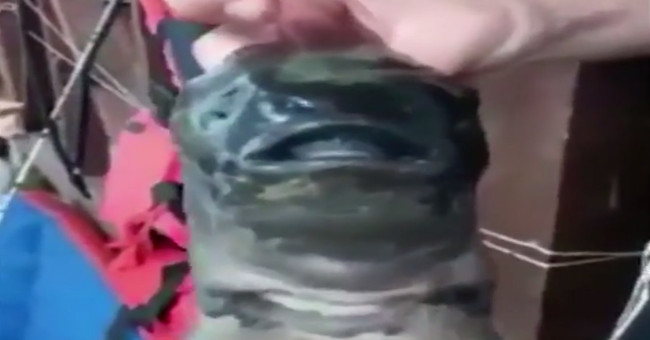
The fish caught by an unnamed fisherman in a location in the Primorsky Krai region in southeastern Russia, Sun reported yesterday.
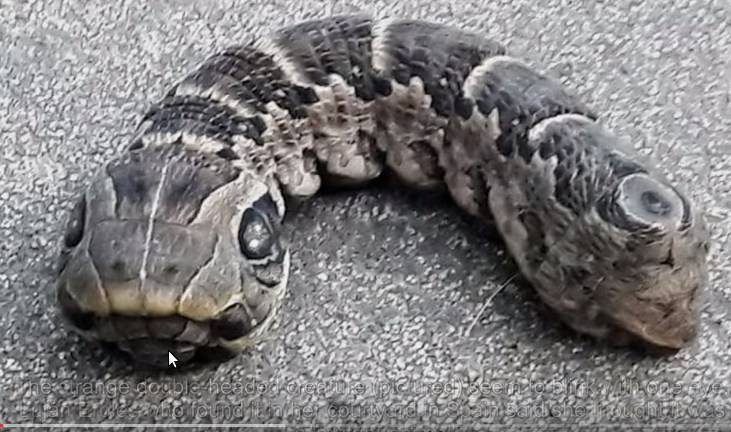
A woman in Santa Fe, Argentina caught a strange bipedal creature in her yard, drawing much speculation about its origin.
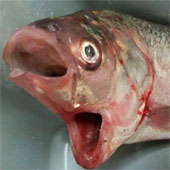
The fisherman in Australia caught the fish with two mouths, in which the lower mouth just opened without closing.