Space science
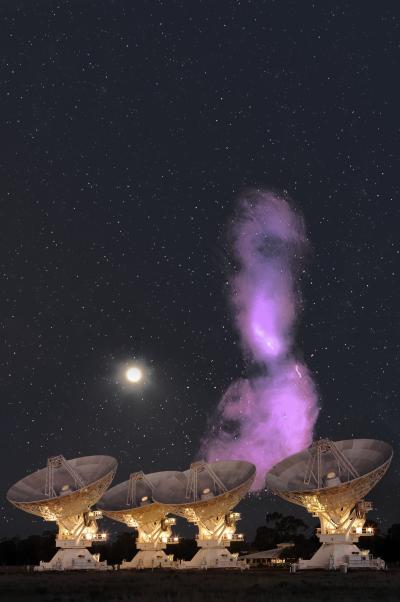
The image of Centaurus A -
Astronomers from the Commonwealth Scientific and Industrial Research Organization (CSIRO) have taken the image of a giant galaxy named Centaurus A that emits radio waves…
Browse ScienceInfo articles and explainers related to Black.
1,622 published items.
Astronomers from the Commonwealth Scientific and Industrial Research Organization (CSIRO) have taken the image of a giant galaxy named Centaurus A that emits radio waves…
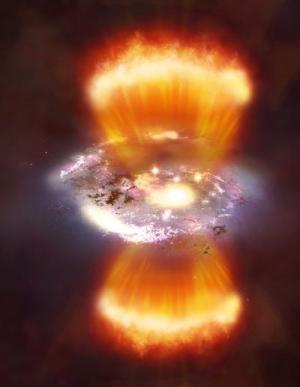
The growth of galaxies and black holes has been made clear by data from NASA's Chandra Space Telescope and many other telescopes. This finding helps discover the nature…
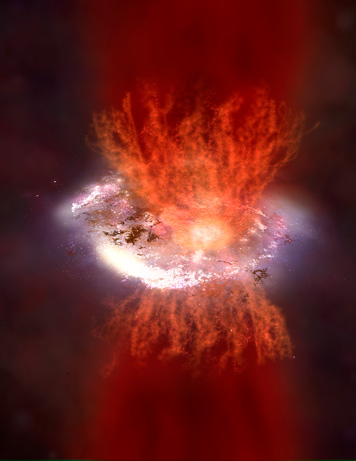
Mysterious gas droplets in remote areas of the universe are no longer a mystery, according to astronomers at Chandra X-ray Observatory (NASA).
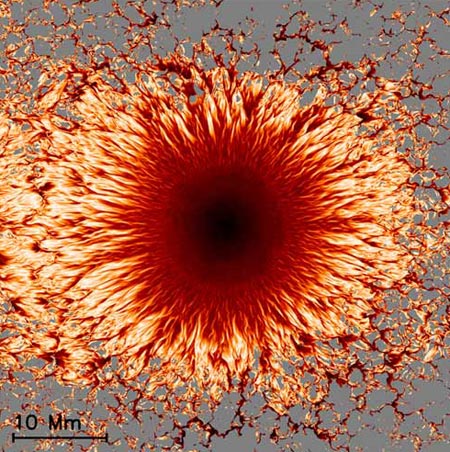
For a long time, the principle of internal activity of sunspots on the sun has always been a mystery, but today we can use computers to simulate its activity and observe…
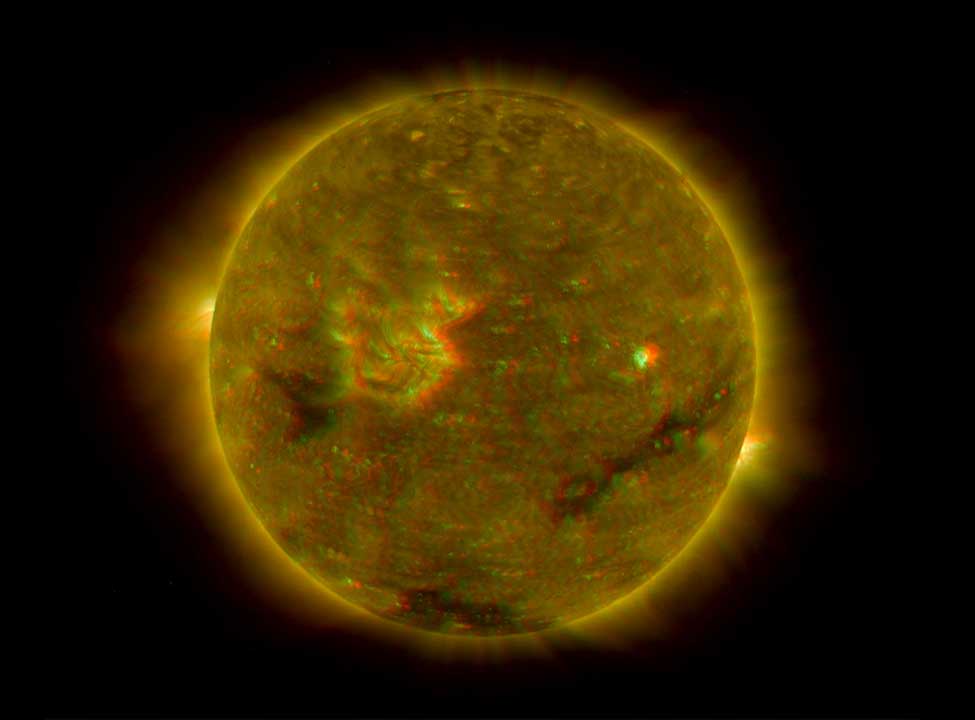
A group of experts have made predictions about the next cycle of the sun, suggesting that the 24th cycle will peak at May 2013 with the number of black spots below avera…
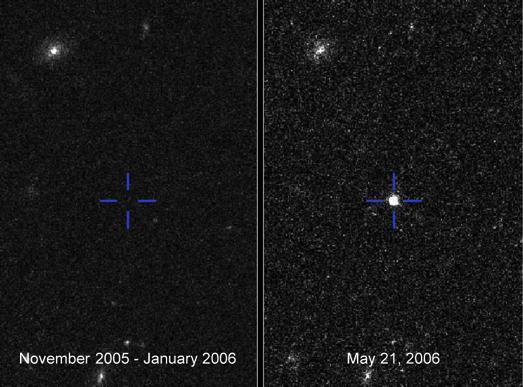
A new study has been discovered by astrophysicists at the University of Warwick that a mysterious stellar explosion recorded in 2006 could mark the abnormal demise of a…
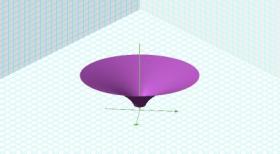
Physicists have recently developed a new model with an interesting meaning: tiny black holes can exist everywhere, every element can be made up of many different types o…
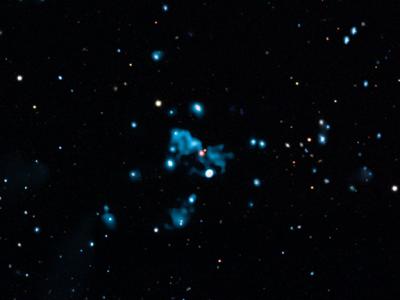
The Chandra X-ray Observatory (NASA) recently discovered a cosmic ghost lurking around a supermassive black hole in the distance.

Several hundred giant black holes can suck everything left from the early stages of the universe flying in our galaxy, according to a new study.
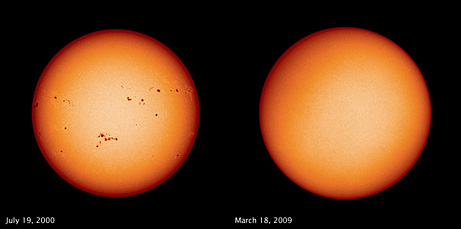
A prolonged quietness in the sun's activity made celestial physicists unable to take their eyes off the telescope and waited to observe what the sun would do next.
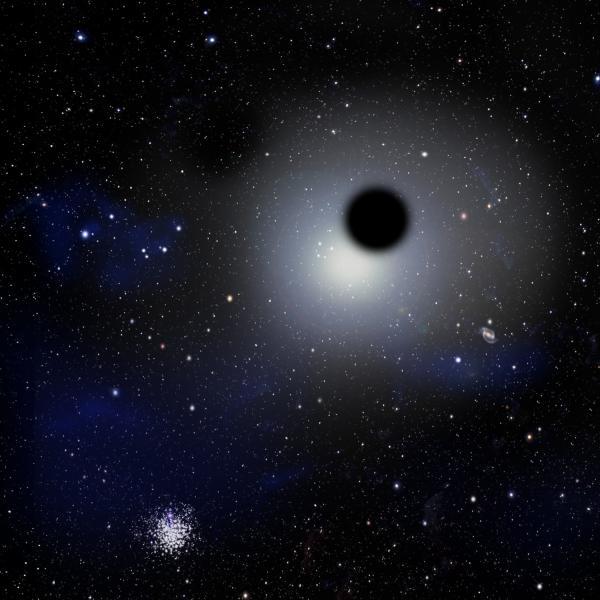
Black holes stir up our galaxy, threatening to swallow anything approaching them.
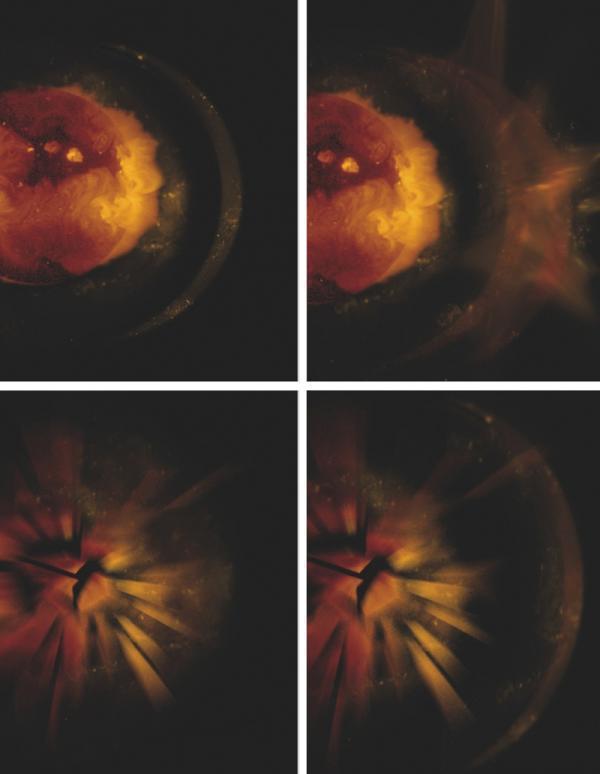
Scientists at the Weizmann Institute of Science and the University of San Diego have for the first time observed what happens when a star is 50 times larger than the sun…
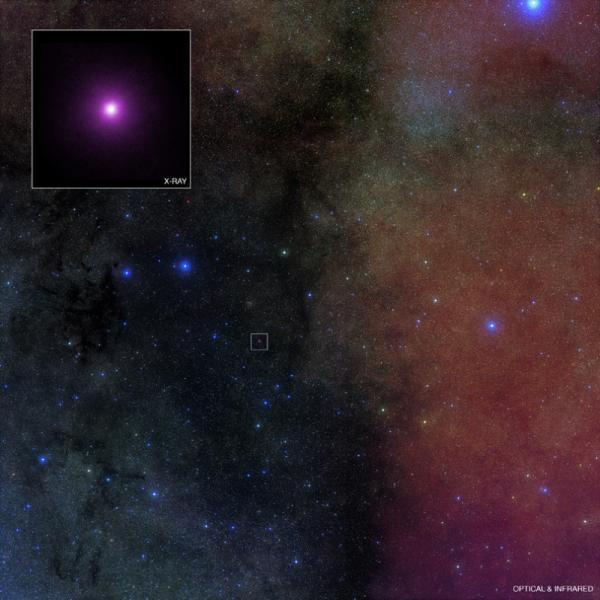
The new observation results from NASA's Chandra X-ray observatory have made a big step in explaining how a special black hole group can stop producing high-speed rays.

The sun is in an unusually silent period, with less black streaks and a sudden weaker magnetic field from 1913 to the present.

US astronomers have discovered the existence of two giant black holes moving like dancing around each other, in a distant galaxy.