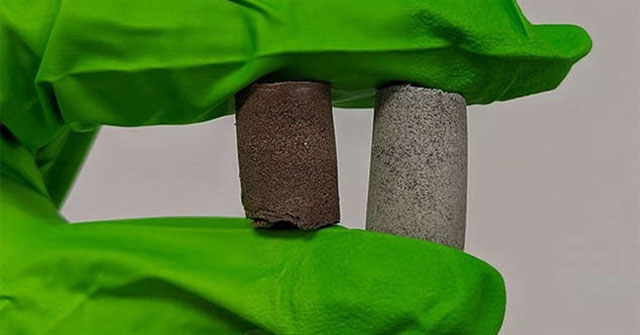
Conquer Mars
Building a house on Mars with concrete made from astronaut blood and sweat
Proteins from astronaut blood can combine with urine, sweat and tears to form a glue-like binder to make AstroCrete concrete on the Moon and Mars.
Browse ScienceInfo articles and explainers related to Blood.
2,523 published items.
Proteins from astronaut blood can combine with urine, sweat and tears to form a glue-like binder to make AstroCrete concrete on the Moon and Mars.
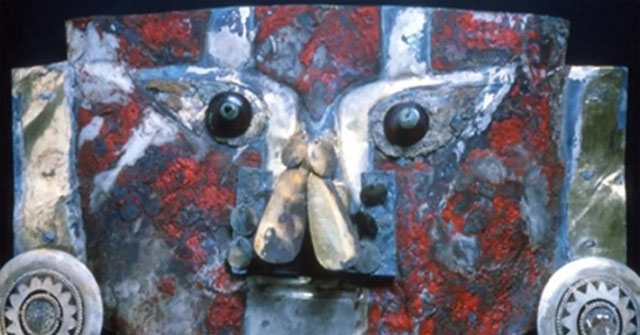
The ancient mask placed on the skull uses human blood, contributing to expressing the tomb owner's wish for rebirth.
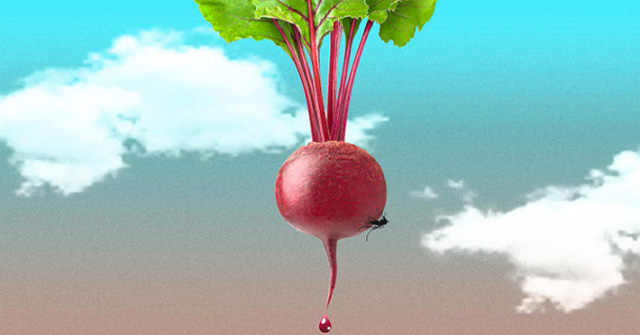
Swedish scientists have found a new way to kill malaria-causing mosquitoes by tricking them into sucking up poisoned sweet radish juice.
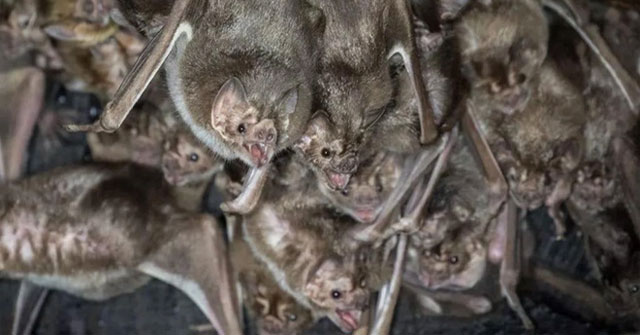
Blood usually doesn't provide enough nutrients for a real organism to exist like a Dracula vampire, except for one species, thanks to 13 genes.

Cancer is really a deadly disease that can kill many people, the second leading killer after heart disease.
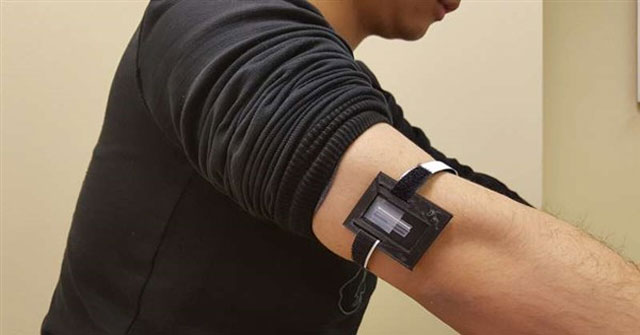
More and more lactate-sensing wearables are available to assist with exercise.
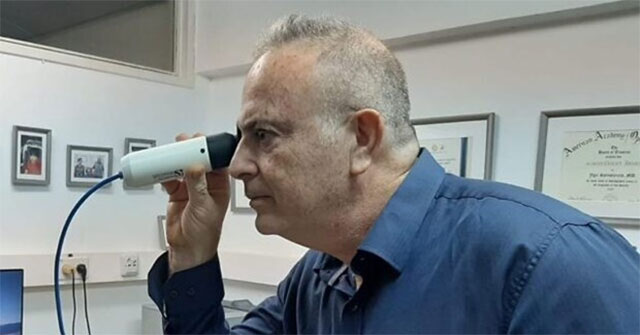
Instead of using a needle to draw blood as usual, nurses only need to use a device to scan the patient's eyes in seconds and give accurate results immediately.

With strong and sharp teeth like blades, gathered in groups
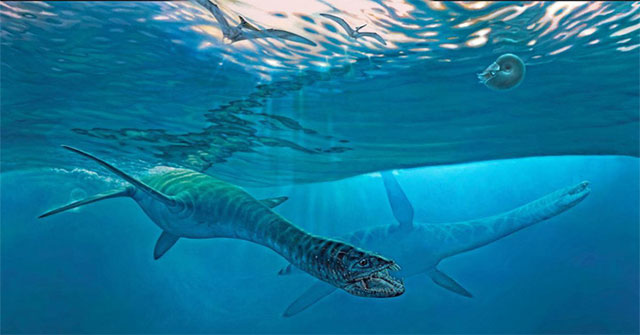
Snake neck lizard is a large extinct marine reptilian genus of the Plesiosauria. The first specimen was discovered by Mary Anning between 1820-1821 but lacked a skull.

In the future, taking blood pressure medication may be as simple as eating a spoonful of rice. This treatment may have fewer side effects than current blood pressure med…
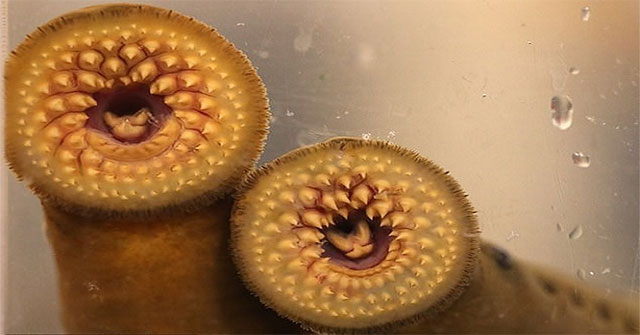
An invasive species of rockfish are breeding in a freshwater lake in the state of Vermont, hundreds of kilometers away from their natural habitat.
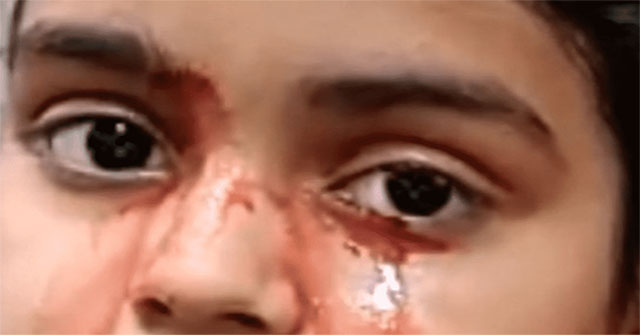
An anonymous mother in India was shocked to see the image of blood spilling naturally from her daughter's eyes.
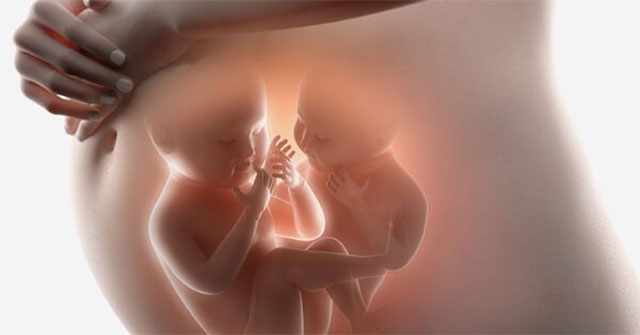
Twin-twin transfusion syndrome is also known as Twin-twin transfusion syndrome -TTTS, a disease incidence of 0.1-1.9 / 1,000 babies.
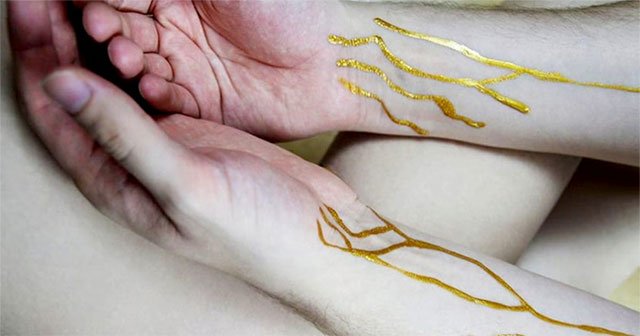
Possessing a rare blood type, Thomas is forced to protect himself from an early age because if an accident occurs, it will be difficult to find a blood donor for him.
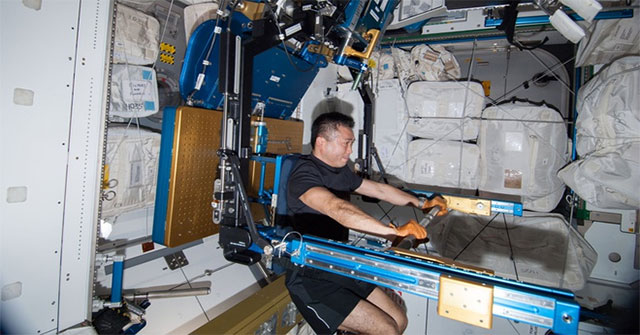
Living in a gravity-free environment, astronauts face the risk of osteoporosis, muscle loss and damage to the blood circulation.