
Health
Surprise with the amazing effect of hot cocoa on health
Cocoa originated from Central America and Mexico, discovered long ago, about 3000 years ago.
Browse ScienceInfo articles and explainers related to Blood.
2,523 published items.
Cocoa originated from Central America and Mexico, discovered long ago, about 3000 years ago.

We all belong to one of the four blood groups A, B, AB and O, collectively referred to as ABO. Blood type is hereditary, for example blood type O and blood group B, born…
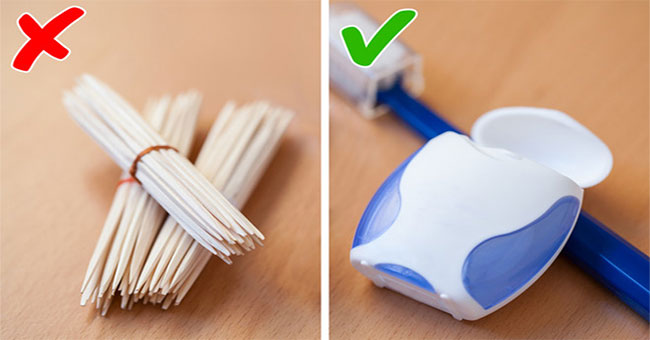
Biting hard objects, sneezing when sneezing or whispering are habits that pose a danger to health but many people still think they are harmless.
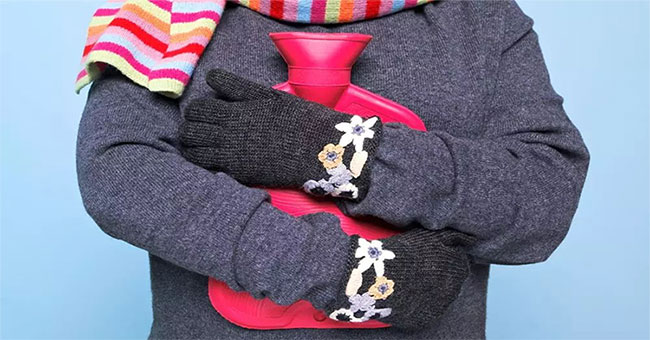
Entering December, the cold of the winter felt even better. Some parts of the body are susceptible to cold, affecting health.

Google is often known for groundbreaking projects. From self-propelled vehicles to delivery drones, the technology giant always has unique projects for the future.
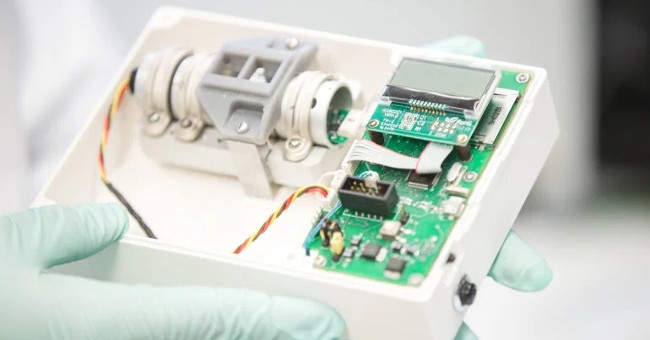
John Lewandowski, 26, a graduate student at the Massachusetts Institute of Technology (USA), has developed a device to quickly diagnose malaria, increasing patient survi…
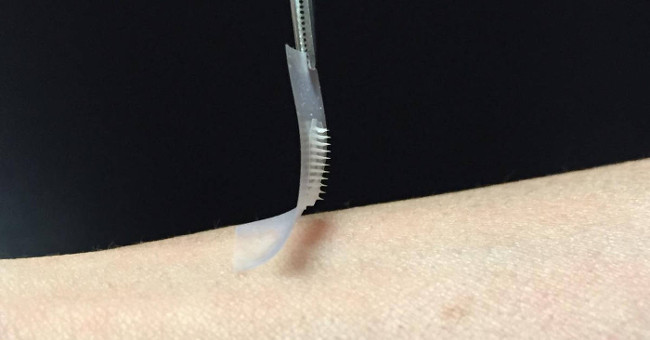
For decades, scientists have been constantly working to find ways to help diabetics no longer have regular insulin injections.

It will not hurt and very quickly, it is the future of measuring blood sugar through the skin.
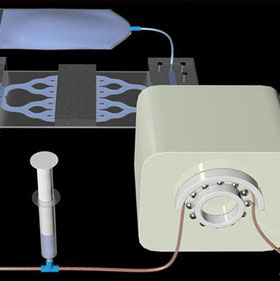
This modern device uses magnetic particles to remove bacteria and toxins from the patient's blood.
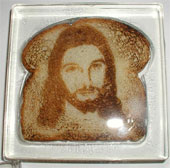
Using infant droppings to make sausages, pork helps prevent nosebleeds ... is the Ig Nobel prize-winning study this time.
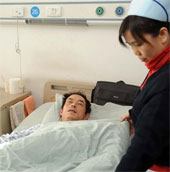
According to Rudolf Griss, a scientist at the Swiss Federal Institute of Technology in Lausanne, the new invention does not require modern equipment and is carried out s…
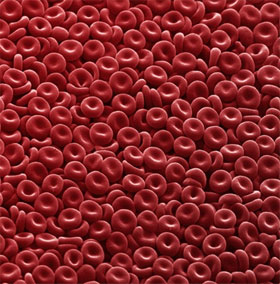
Recently, US scientists have revealed that super blood will be injected into American soldiers so that they can fight dioxin by themselves when participating in the war.
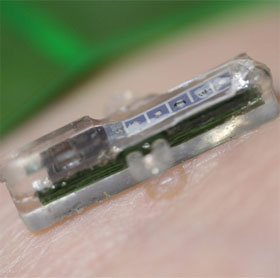
Swiss scientists have invented a tiny blood test device that can immediately report the result by wirelessly connecting to the phone.

This device - called V-Chip - allows tests to be carried out at the bedside and even in remote areas.

Scientists have just succeeded in finding the world's most slippery material by mimicking the mechanism of action from the leaves of a pitcher plant.