Biology
Assassin insects in nature
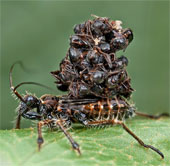
Among the most bizarre creatures in the world, the killer bugs cannot be missed, ie fierce insects clean up prey bodies and carry them on their backs.
Browse ScienceInfo articles and explainers related to Body.
5,429 published items.
Among the most bizarre creatures in the world, the killer bugs cannot be missed, ie fierce insects clean up prey bodies and carry them on their backs.
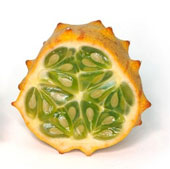
The Jabuticaba fruit grows on Kiwano's body, melons, Ackee ... are strange fruits with a unique shape and taste.
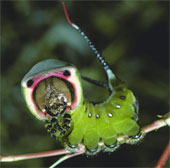
The shape is easily confused with snakes, snails or plants that can help caterpillars camouflage and defend themselves.

Brighter colors of butterflies and dragonflies are competing better with others when faced with climate change.

According to a recent study, parasitic amoeba, a group of certain unspecified unicellular organisms that live in the human body, can destroy cells by biting pieces of in…
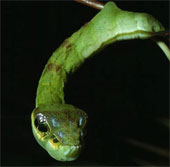
Moth larvae transform the body shape with many snake-like characteristics, which can camouflage the enemy.
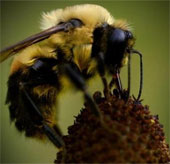
Not only does it attack the body but this zombie bee parasite also causes the host bee to move like zombies.

With a special neck, ants don't need the ultimate hope to lift heavy objects.
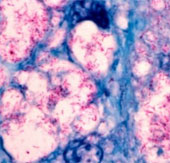
Recent research by scientists shows that leprosy bacteria existed 10 million years ago ...
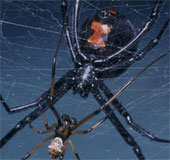
Scientists have discovered that the 'black widow' male spider moves its body in some way to let children know their presence and not ... a breakfast.
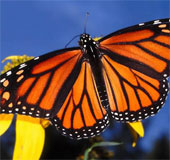
Monarch butterflies are also called monarch butterflies. They have the scientific name Danaus plexippus. This is the most present butterfly in North America.
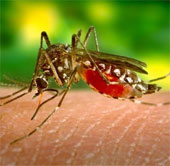
Scientists have found new perspectives on how to control mosquitoes and dangerous infectious diseases.
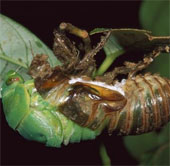
On an occasion of research on organisms and insects, photographer Thomas Marent was fortunate to witness the process of a molting cicada.

British scientists have taken a picture of death spreading like a wave across a body of a worm, by studying the blue fluorescence that travels through each cell, until t…
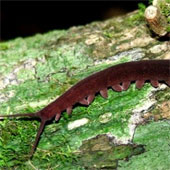
Recently, the research team from Leipzig University (Germany) discovered velvet worms (scientific name: Onychophora) first found in Vietnam.