Animal world
Which animal is the fastest on the planet?
Which animal is the fastest on the planet? If the answer is cheetah (Russian: Gepard, English: Cheetah), it may still be the incorrect answer.
Browse ScienceInfo articles and explainers related to Body.
5,429 published items.
Which animal is the fastest on the planet? If the answer is cheetah (Russian: Gepard, English: Cheetah), it may still be the incorrect answer.

The owner of a restaurant in Taiwan displayed a pair of conjoined Emperor fishes to attract diners.

Some animals are endowed with superhuman abilities to survive in nature, such as the Mexican salamander that can re-grow both the heart and the brain.
A team of Israeli neuroscientists has discovered that bats have specialized cells in their bodies that can easily navigate and move in 3D.

Although there is only one body, this snake possesses two conjoined heads and grows together from the body.

In Vietnam only about 30 species have deadly venom that lives on land and 22 species of sea snakes.
Lizard, zebrafish, flatworm ... are animals capable of reconstructing the head or tail when broken.
Humans take longer to grow than primates because childhood energy is used for the brain more than body growth.
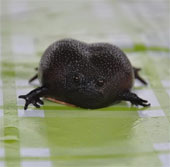
Unlike the common frogs, the frog Black Rain (black rain) has a strange appearance and scary face.
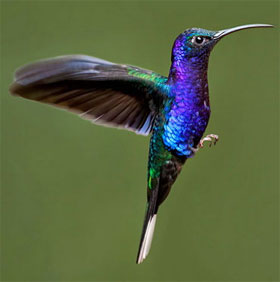
Body size has long been noted to play an important role in shaping species interactions.
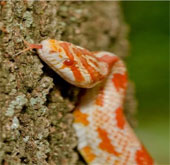
A new study found that some snakes do not seem like other cats capable of climbing trees very skillfully.
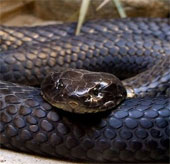
The Chappell island snake occupies the island of Mount Chappell for centuries, known as the cobra with the largest body, even twice as large as the cobra living in other…
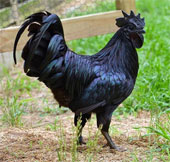
A rare breed of chicken in Indonesia famous for everything in its body, from blood, tongue to crest, are all black. Their prices can be up to 2,500 USD.
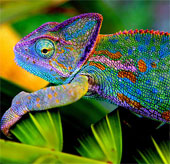
Chameleon is a reptile known for finely disguised talent by changing colors.

Supernatural lizards, poisonous snakes Viper or snakes eating African eggs are 3 out of 10 reptiles that possess distinct characteristics compared to their relatives.