Space science
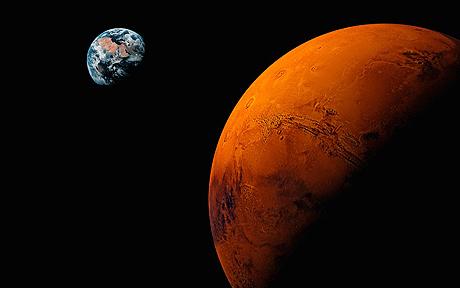
Mars used to have a lot of CO2-proof of life
Scientists from the US Aeronautics Agency (NASA) have discovered that Mars once existed a lot of CO2.
Browse ScienceInfo articles and explainers related to CO2.
386 published items.
Scientists from the US Aeronautics Agency (NASA) have discovered that Mars once existed a lot of CO2.

American spacecraft sends strange images on the red planet, including CO2 ice blocks, sand dunes, rocky cliffs and valleys.

Yesterday, America's CO2 emission satellite named Orbiting Carbon Observatory (OCO) fell to the area near Antarctica, shortly after leaving the launch pad due to technic…

The Hubble Space Telescope has just discovered CO2 and CO in the atmosphere of a distant planet.
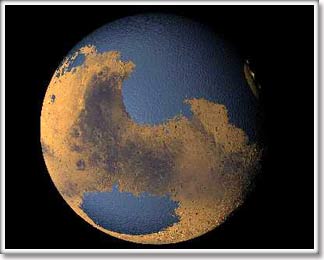
A new study shows sulfur dioxide (SO2), not CO2, as people think has heated Mars and helped maintain its positive belt. SO2 is such a powerful greenhouse gas that it can…
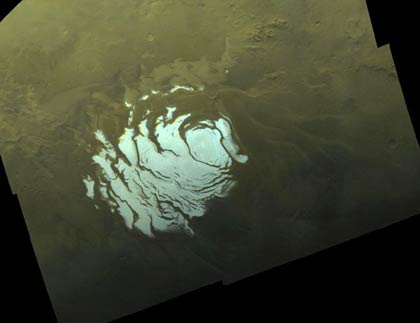
According to a study published in the US, water and carbone dioxide (CO2) previously created Mars's dense atmosphere dispersed with low concentrations in space and can b…
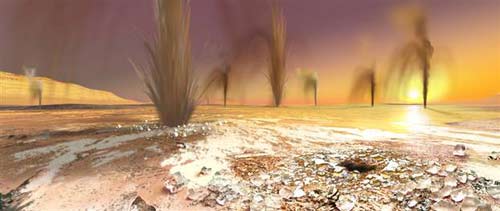
The image from a Mars-orbiting camera revealed the flow of CO2 sprayed at 100 miles per hour through the planet's southernmost ice. These circuits throw sand and dust up…

New studies show that increasing levels of CO2 are reducing the therapeutic effect of earring plants on princess butterflies.
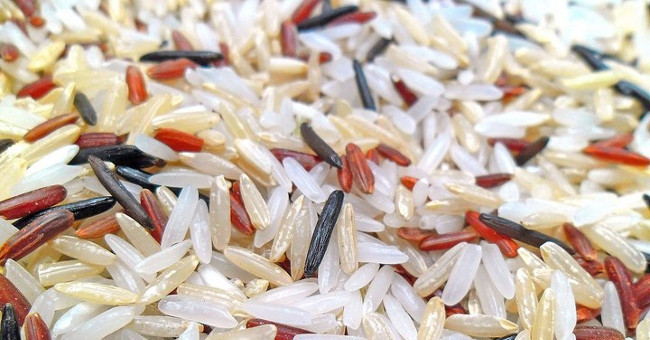
According to Independent page, the amount of CO2 that people are
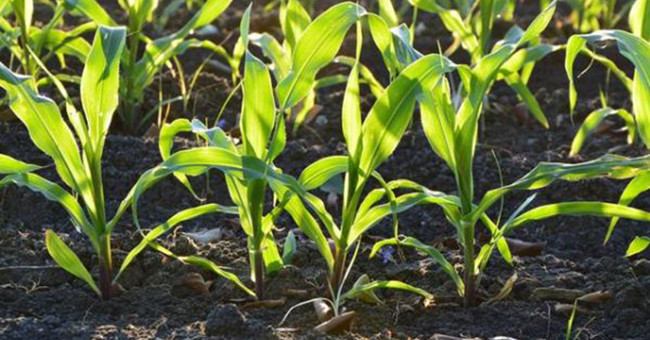
The scientists explained that the increase in crop production is due to silicate rock that helps protect plants against pests and diseases, while improving the structure…

By 2050 there will be 150 million people worldwide are at risk of falling into protein deficiency directly related to the increase in CO2 in the atmosphere.
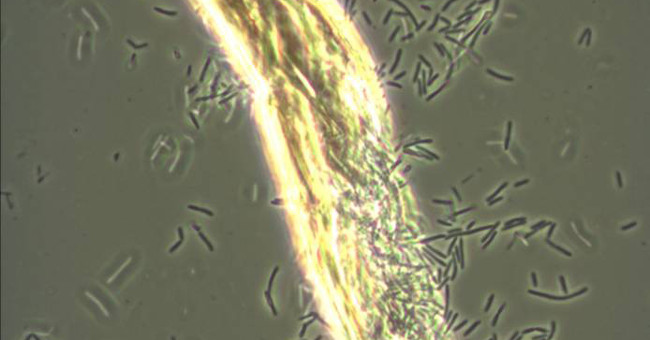
Clostridium thermocellum can disintegrate both cellulose (the type of organic compound commonly found in plants), turning them into usable biofuels without the need for…

Scientists at Harvard University (USA) have created new genetically modified bacteria that can collect CO2 in the air and convert it into energy.
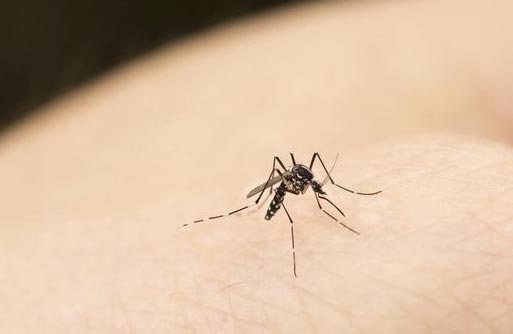
A new study revealed that mosquitoes target certain targets to burn by using a sequence of three signs: smell, then images and finally heat.