
New technology
New findings use bacteria to make lights
Light pollution is a global problem, deeply affecting people's lives and health. Is bio-light a solution to this problem?
Browse ScienceInfo articles and explainers related to CO2.
386 published items.
Light pollution is a global problem, deeply affecting people's lives and health. Is bio-light a solution to this problem?

US scientists have successfully developed artificial leaves that can produce fuels such as gasoline and methane from CO2 and environmentally friendly sunlight.
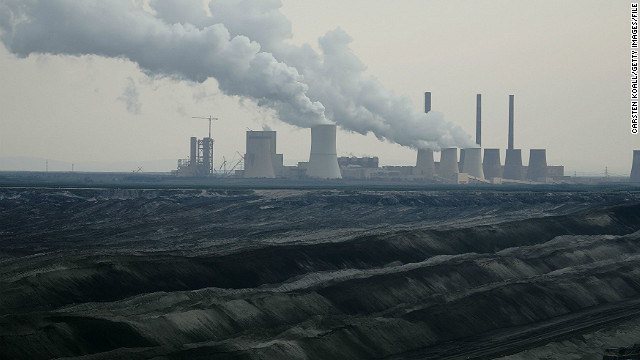
This is a great idea of a 'win-win' model because this process can both reduce the amount of CO2 in the atmosphere and produce environmentally friendly biofuels.

In the near future, we can see houses built with wood materials through 3D printing.
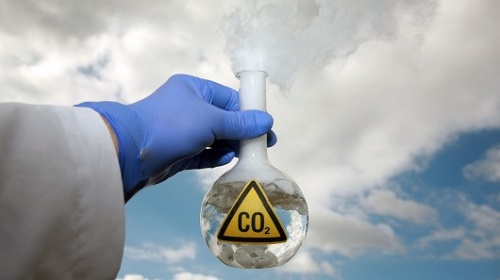
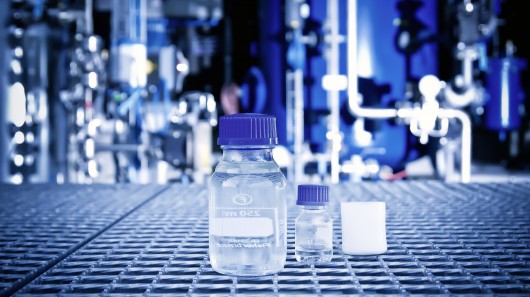
The Audi car maker is researching and creating a new fuel that can be used in internal combustion engines.

US scientists are working on a machine that turns CO2 into oxygen. It is expected that the technology will be completed and put into use in 2020.

Researchers at the Massachusetts Institute of Technology (MIT) have developed a new cement formula that uses a reasonable ratio of material composition.
Researchers at Aalto University have developed a pilot project to convert CO2 and slag, the byproduct of steel production, into a valuable mineral product.
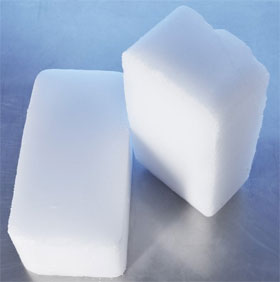
Let's find a scientific solution about the process of making dry ice and unexpected uses from them.

For years, the collection and storage of carbon (CCS) has been seen as a costly but essential step to reduce emissions and protect the environment.

Researchers at the SOLAR-JET project have announced that through a multi-step process, concentrated sunlight could be used to convert CO2 into kerosene (parrafine oil) a…
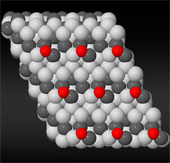
Recently scientists have discovered a new catalyst that can help produce clean methanol from carbon dioxide (CO2) at a low cost.
A new material, called the cheap Nott-300, promises to be used in carbon capture technology to reduce CO2 emissions.
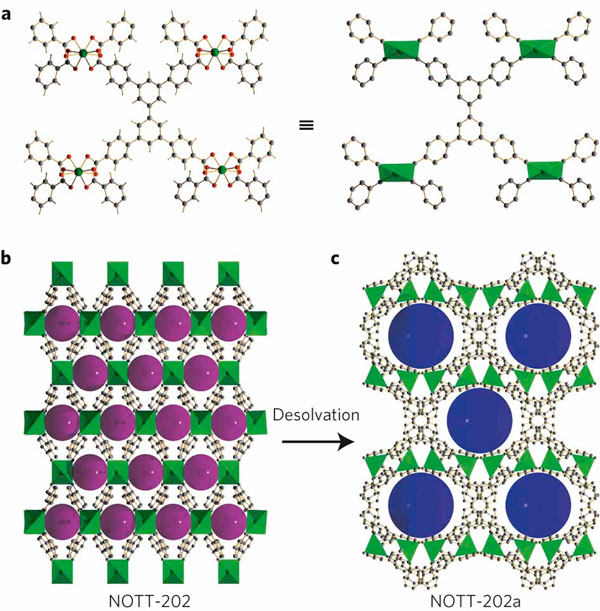
Researchers at the University of Nottingham are developing a new spongy material called the NOTT-202a that can absorb CO2, marking a significant step forward in the crea…