Videos
100 scientific experiments can be done at home
These are experiments associated with life with materials from surrounding objects such as bottles, glass jars, CO2 rock, sparks, fire in plastic containers, burning can…
Browse ScienceInfo articles and explainers related to CO2.
386 published items.
These are experiments associated with life with materials from surrounding objects such as bottles, glass jars, CO2 rock, sparks, fire in plastic containers, burning can…
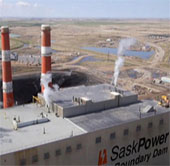
Canada's SaskPower Power Company celebrated the inauguration of the world's first large-scale carbon dioxide (CO2) recovery pilot project.
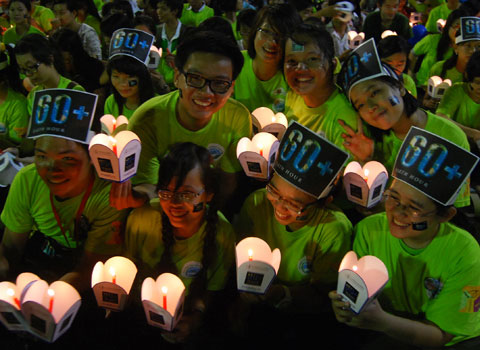
Over 50 Vietnamese provinces and cities tomorrow night will work with the whole world to act in Earth Hour, with many activities such as using renewable energy, acting f…
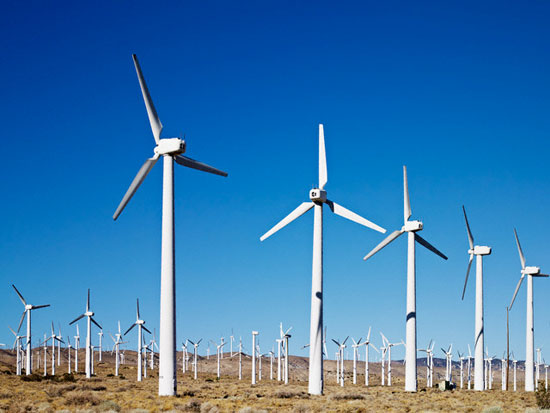
In the first report on global clean energy, the International Energy Agency (IEA) said the world has achieved impressive success in developing clean energy technologies…
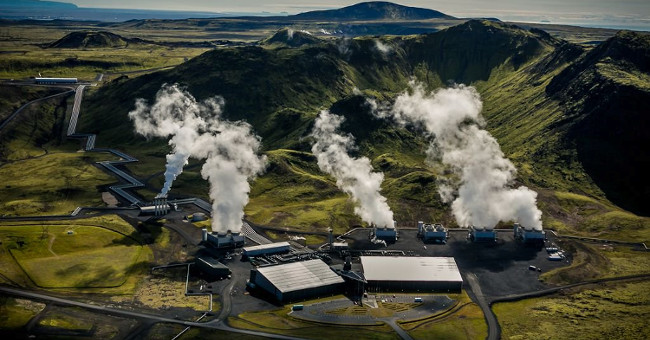
An international team of scientists has been trying to turn CO2 into hard minerals over the past few years.
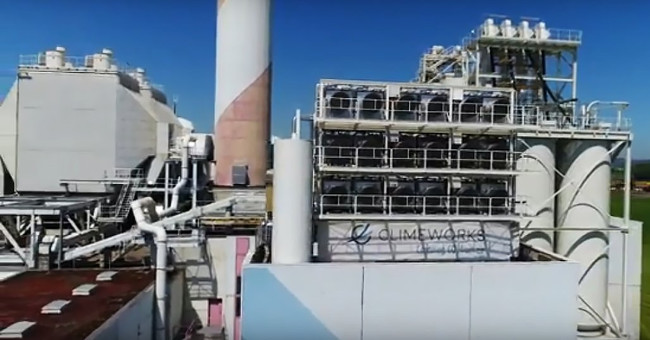
According to Inhabitat, the world's first factory to collect carbon dioxide from the air to produce heat was operated in Zurich, Switzerland.
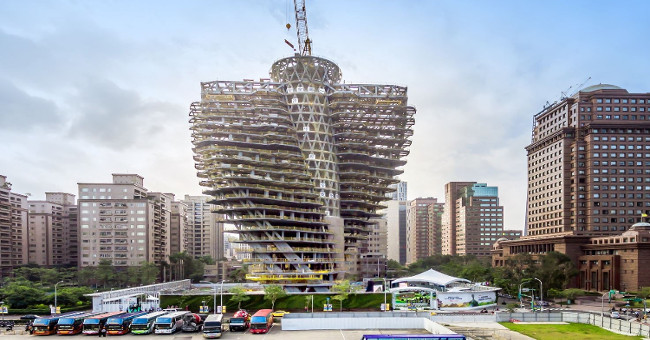
A cherished French architect hopes to create energy-saving buildings and
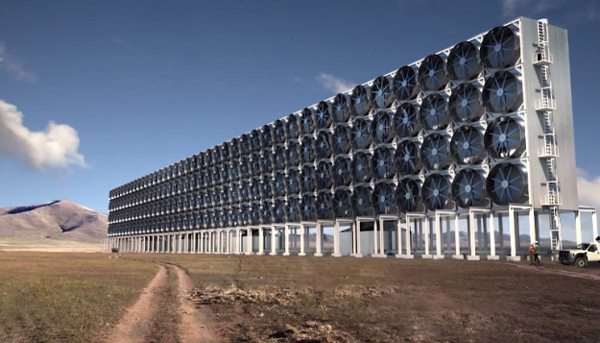
Scientists from Canada are building a factory to recycle carbon dioxide (CO2), which can suck carbon dioxide out of the air and combine it with hydrogen obtained from ot…

American architects have announced the design of a special building named CO2 Scraper to cope with global warming.
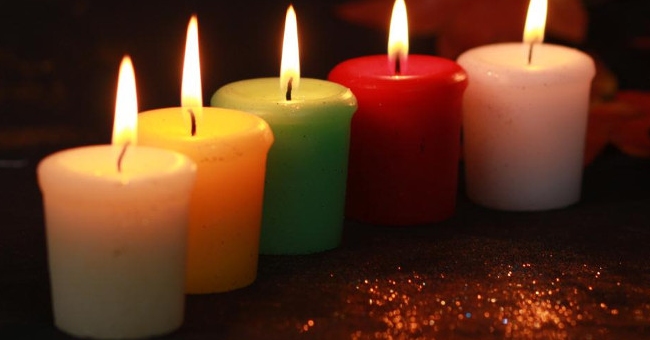
Originating in Sydney in 2007, every year on the last Saturday of March, people all over the world turn off all electrical appliances for 1 hour to respond.
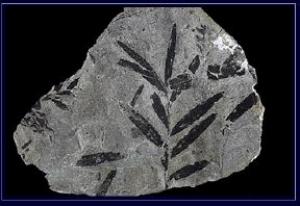
Scientists have found very impressive evidence of the sudden disappearance of ancient plant diversity. The fossil tree leaves 200 million years ago found in East Greenla…
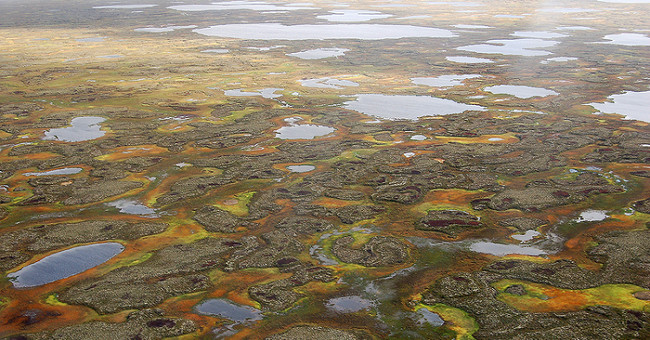
Mercury in liquid form is less toxic, but its compounds and salts are very toxic and cause brain damage, liver, and human exposure, breathing or ingestion.
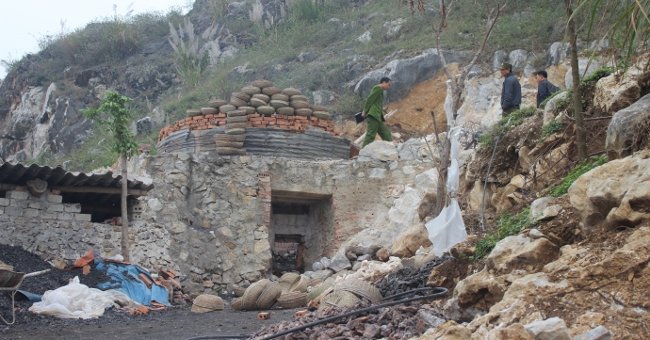
Recently, the gas suffocation in Thanh Hoa lime kiln caused 8 deaths and many people were puzzled and afraid.
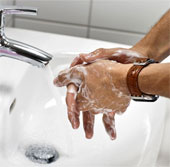
Many people believe that washing hands with warm water will kill all bacteria. But that is not true.
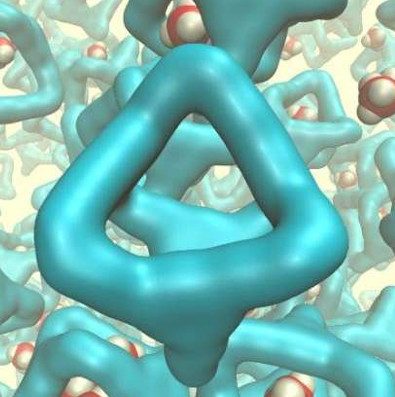
Fluid-rich fluids invented by researchers in Northern Ireland can be used to capture CO2 from industries, greatly reducing pollution.