New technology
AI helps to detect up to 80% of disease in animals soon
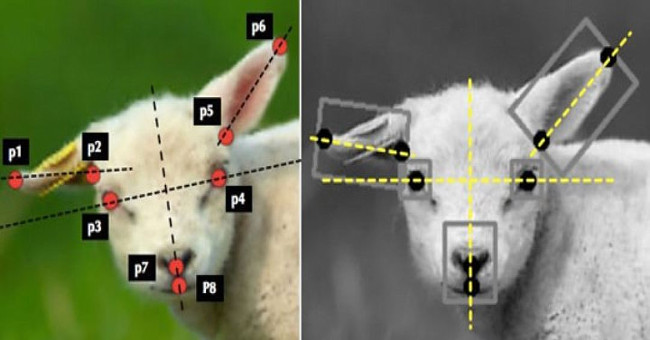
Researchers at the University of Cambridge have developed a new technique for estimating the severity of pain in sheep, called the Sheep Pain Facial Expression Scale (SP…
Browse ScienceInfo articles and explainers related to Cambridge.
96 published items.
Researchers at the University of Cambridge have developed a new technique for estimating the severity of pain in sheep, called the Sheep Pain Facial Expression Scale (SP…
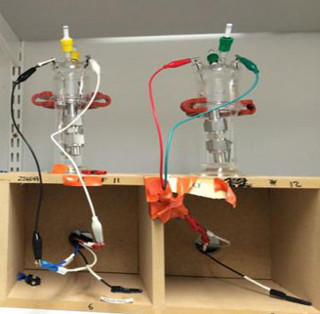
Researchers at Cambridge University successfully built a lithium-oxygen battery, which can be charged 2,000 times, each time with enough energy for electric cars to run…
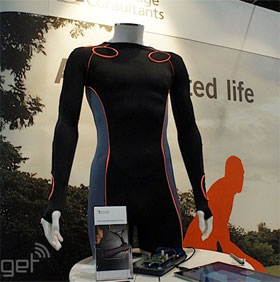
Cambridge Consultants, a product design and development company, has developed a smart fabric that can track body movements.
Researchers from Cambridge University recently created a high-temperature superconductor with the ability to create a magnetic field of 17.6 Tesla.

Last weekend, physicist Luke Butcher at Cambridge University published a report on several types of wormholes that could last long enough for a photon to pass through.
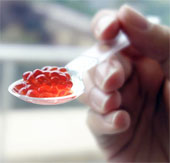
Dovetailed, a Cambridge-based design firm, has successfully developed a capable 3D printer
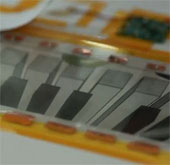
Electronic ink printed on a plastic film is used to create a transparent keyboard that can play music like a piano.

Council of Cambridge City has just tested the lighting of the path by covering the part that attracts ultraviolet light and turns to blue light when the sun goes down.
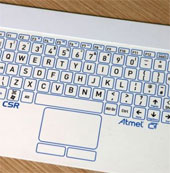
British scientists have created a flexible keyboard model that is as thin as a sheet of paper and can turn any area on the keyboard into a touch surface.

Used in criminal investigations, lie detectors work on the principle that a part of the human brain will react unconsciously when being mentioned in a mean.

Passed through virtual voice only, experts are now turning to the need to provide live expressive assistants.

Experts at the University of Cambridge are looking at the risks that could affect the future of humankind behind the emergence of super-smart technologies.
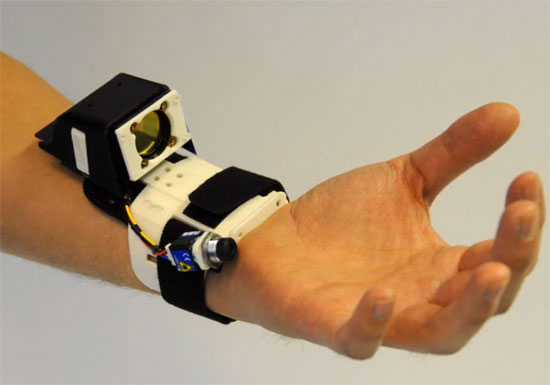
Researchers from the University of Newcastle and the Microsoft Research Center in Cambridge have successfully developed a device that allows users to control any electro…
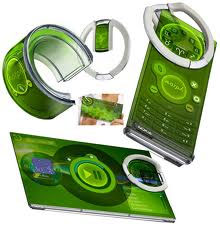
In 2008, the Nokia Research Center in collaboration with the University of Cambridge (UK) developed a nano-sized telephone device called Morph.
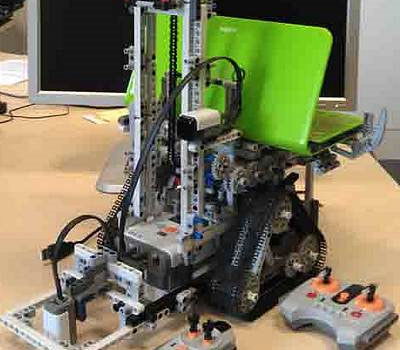
It only takes 2 seconds to identify a person, or object in the building, supermarket ... This is the research topic of Nguyen An Khuong (Cambridge University) and is con…