
New technology
New method to detect prostate cancer
Scientists at the University of Michigan School of Medicine have announced a new urine test that can help detect prostate cancer, thereby choosing better therapies.
Browse ScienceInfo articles and explainers related to Cancer.
2,481 published items.
Scientists at the University of Michigan School of Medicine have announced a new urine test that can help detect prostate cancer, thereby choosing better therapies.
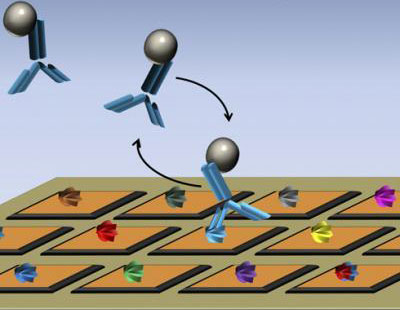
Researchers at Stanford have developed a new biosensor microchip that can accelerate the development of therapeutic drugs.

Scientists from the Institute of Nanotechnology, Institute of Chemical Engineering, University of Haifa (Israel) have successfully researched the next generation of elec…
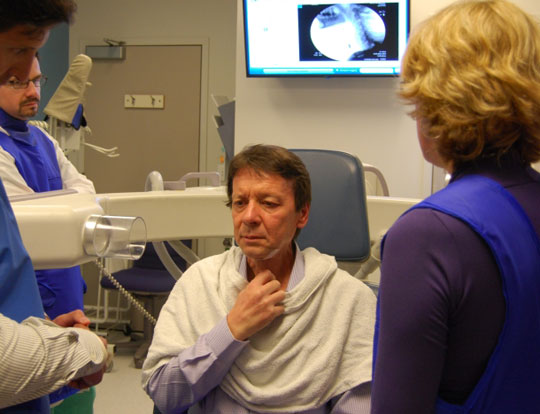
American experts have built a device that can support the eating of those with choking swallowing.
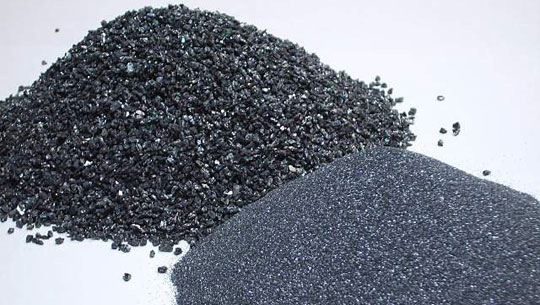
Japanese scientists have developed a type of smart meter that can measure the size of nm, mainly made of silicon carbide.
At the Israeli Nano Seminar 2010, scientists have come up with the daring idea of bringing chemicals deep into the tumor by mini-submarines.

The use of FSH receptors can detect tumors in different parts of the body through CT scans.
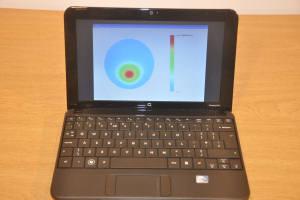
Researchers at the University of Manchester have successfully created a handheld scanner that quickly identifies breast cancer, helping women instantly recognize tumors…
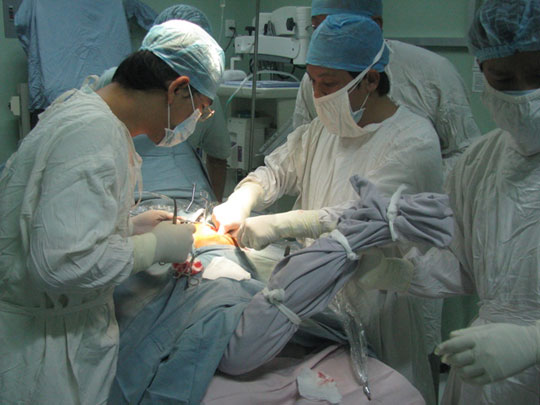
Japanese scientists have developed a guideline that can monitor lymph nodes and blood vessels during surgery.
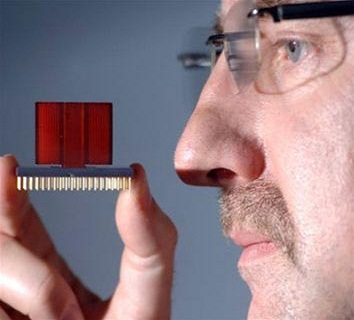
Bionic electrons can diagnose fast, accurate and localized cancers such as lung cancer, breast cancer, prostate cancer.

Scientists at the California Institute of Technology in the United States have used nanoscale technology to make robots that can move in the blood.

Imagine being able to go to pharmacies and get a quick and accurate cancer test kit.

A new device has been created in the United States to release women from the pain of a breast cancer test.

Researchers at Stanford University are developing nanoscale chips that can detect early biological markers of cancer in humans.
Researchers have used a variety of nano-sized nanomaterials developed to be sensitive enough to detect early cancer (a disease that is easy to treat).