
New technology
Glass for early detection of cervical cancer
New magnifiers have been discovered by early scientists to detect cervical cancer early.
Browse ScienceInfo articles and explainers related to Cancer.
2,481 published items.
New magnifiers have been discovered by early scientists to detect cervical cancer early.

A special bikini swimsuit created to help you avoid the risk of sunburn and skin cancer during summer swimming.
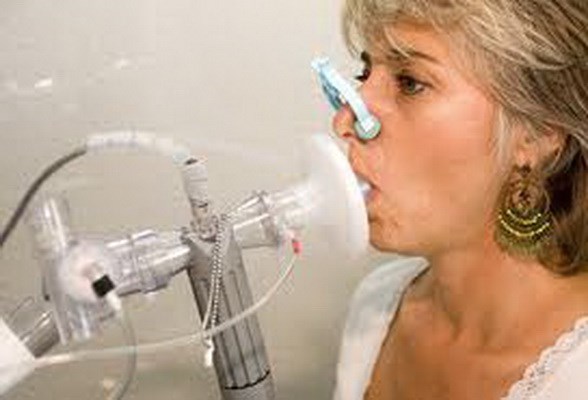
A type of nanotube designed to detect stomach cancer molecules through the breath also identifies lesions that can develop into this common disease.
US technology firm Google is developing a device that can detect early signs of cancer, heart failure and many other serious diseases.
American researchers have introduced a new device that can detect dozens of types of cancer by means of a one-time blood test.
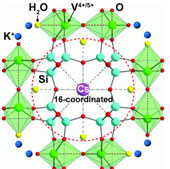
Korean researchers have successfully developed a new material that can absorb radioactive cesium dissolved in soil or polluted water with 40 times more efficiency than c…
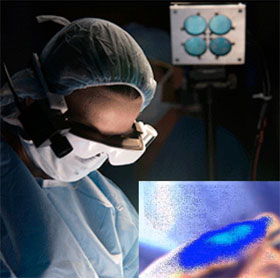
High-tech glasses help surgeons see cancer cells, which glow green when viewed through special eyeglasses.

Normally, cancerous tumors can spread cells carrying pathogens through the blood stream and form new tumors in other parts, called metastasis.
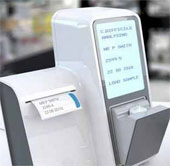
Researchers at the University of Liverpool and the University of West of England at Britol have created a device that can analyze urine odors to look for early signs of…
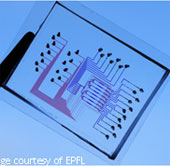
A medical research project in Europe has found a way to test whether a person has cancer with just one drop of the patient's blood and a computer.
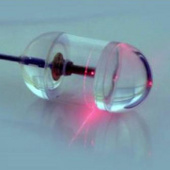
A swallow capsule device can detect esophageal conditions at a much lower cost than a colonoscopy.
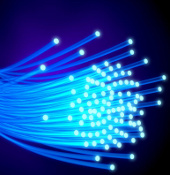
Researchers at Swinburne University in Australia are developing a sensor that can detect and diagnose early cancer.
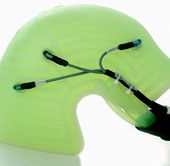
Doctors at Bupa Cromwell Hospital, England, have revolutionized medicine by inventing a hat that can help 80% of cancer patients retain their hair during chemotherapy.
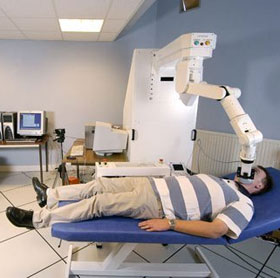
British scientists are developing a breakthrough device capable of diagnosing cancer in just 20 minutes and still prescribing drugs to treat the disease.
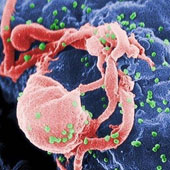
British scientists have recently developed a super-sensitive sensor that allows detection of many diseases and viruses at the earliest.