Health
Scientists found a new organ in the human body
A giant body, completely unknown, has been found by Swedish scientists right in the human body.
Browse ScienceInfo articles and explainers related to Cell.
3,353 published items.
A giant body, completely unknown, has been found by Swedish scientists right in the human body.
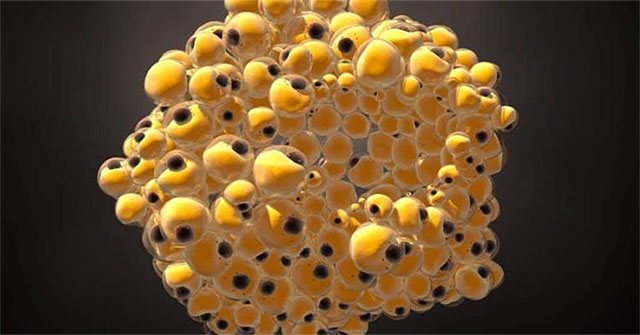
Researchers have said there is a way to make human breast cancer cells turn into fat cells based on a new study in mice.

How will you see when you know there is a single-celled creature but almost destroys life on Earth? Sounds ridiculous but very convincing!
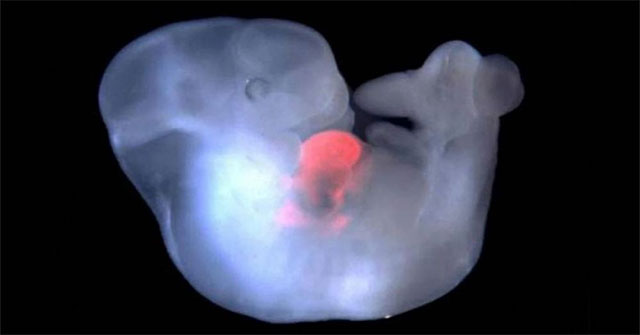
Juan Carlos Izpis' group of researchers introduced embryonic stem cells into monkeys in a Chinese study to find ways to feed transplants.
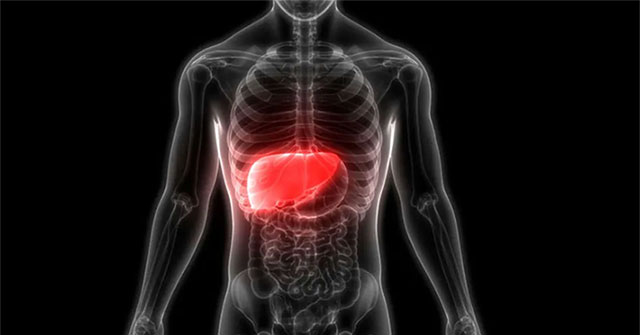
Scientists at King's University in the UK have discovered a type of cell that can regenerate liver tissue.
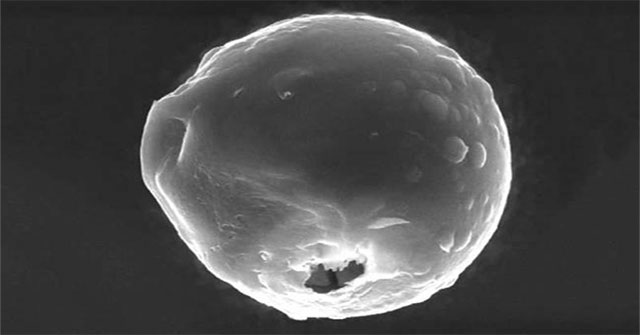
According to New Scientist, scientists at the California Institute of Technology, USA, have developed tiny self-propelled capsules that can remove their outer shells and…
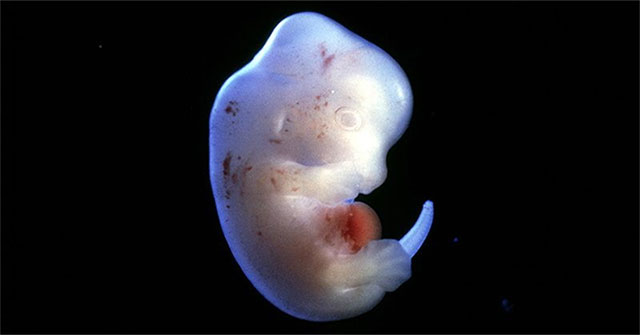
This experiment opens up a new future of abundant organ transplants, but moral issues are still controversial despite the Japanese government's permission.

Scientists at the University of California at Davis (USA) have discovered the genetic mechanism of tissue regeneration in hydrothermal species living in freshwater, this…
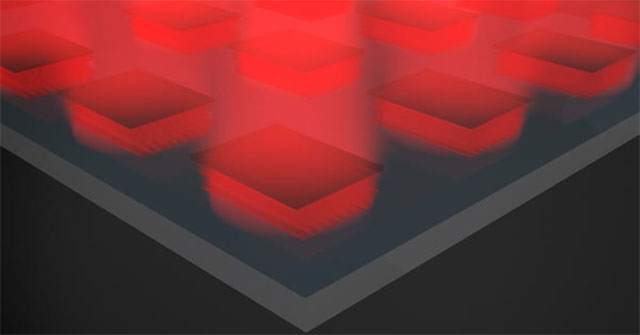
The solar industry breakthrough will allow us to take advantage of huge energy

Our ancestors began to have atherosclerosis and heart attack about two or three million years ago due to mutations in the gene that malaria is used to invade the human b…
You may have to undergo photosynthesis thanks to chlorophyll in your mutant cells. But unlike plants, you will need more sunlight.
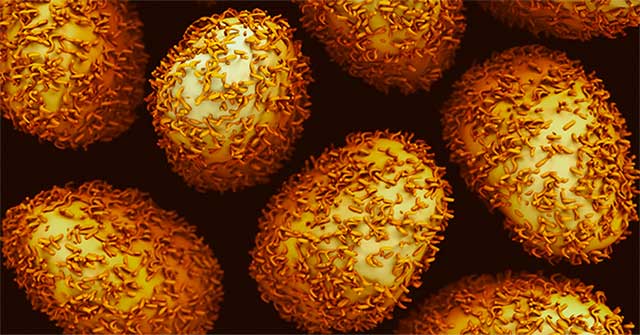
Using fat as a Trojan horse, American scientists miraculously removed the cancer of bone, pancreas and colon in miraculous animals.
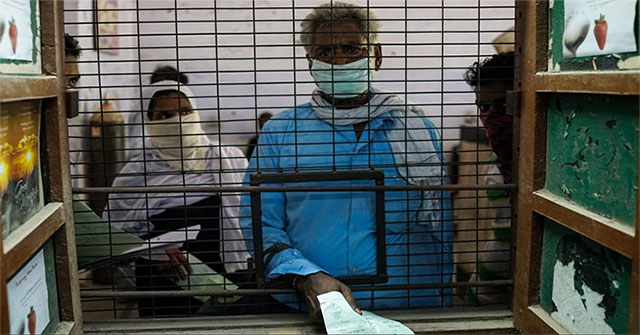
Israeli scientists have developed an algorithm based on data from the initial exposure of a bacterium to the human body's immune system, helping to predict tuberculosis.
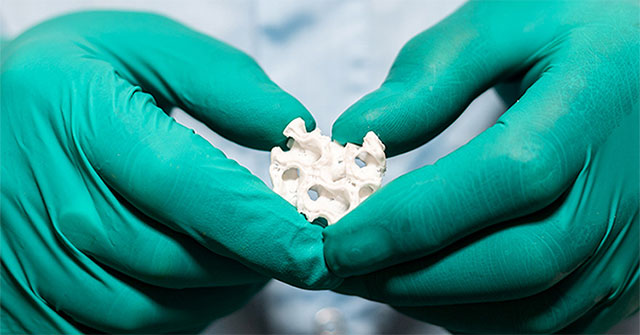
With 3D printing technology, researchers plan to reproduce many things, from cells to skin or bones to emergency care.
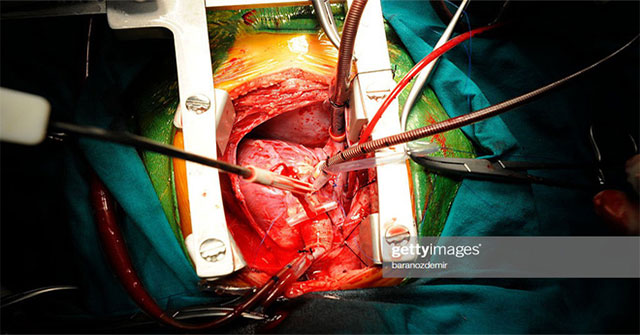
This finding is very important. Because first, it can help heart surgeons redefine the operation plan.