Space science
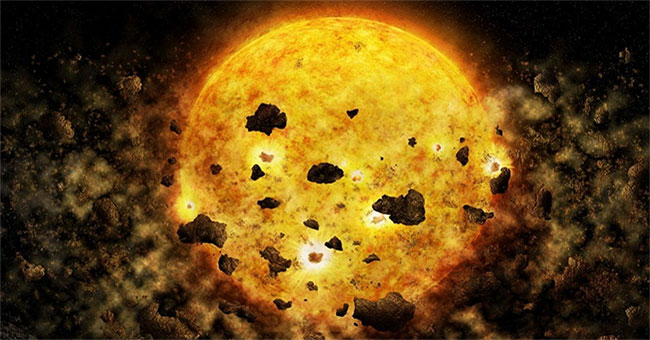
Planet's 'carnivorous' star is 450 light years from Earth
Scientists can first observe a young star
Browse ScienceInfo articles and explainers related to Chandra.
66 published items.
Scientists can first observe a young star
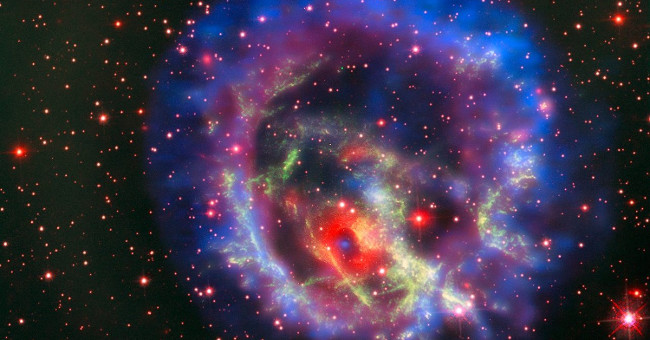
The new neutron star has been identified as a rare star, has a low magnetic field and has no companion with any star.
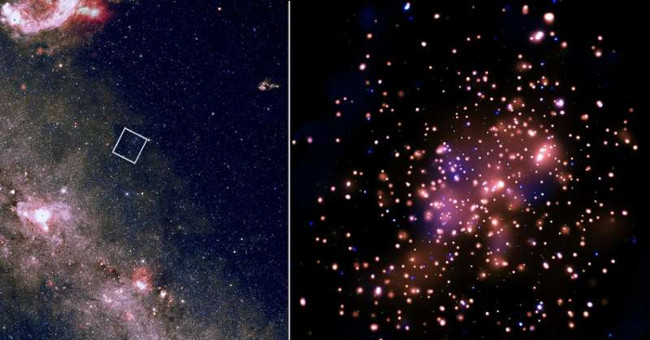
NGC 6231, located about 5,200 light years from Earth, is an ideal test to study a cluster of young stars, at a critical stage in its evolution.
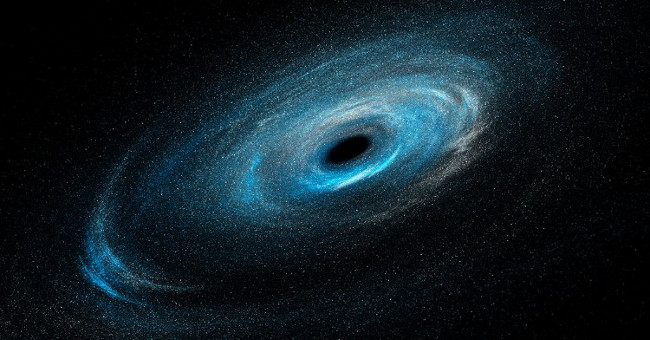
The cosmic black hole is an area of space with extremely strong gravitational force, nothing can escape when approaching them, including light at a speed of 300,000 km…
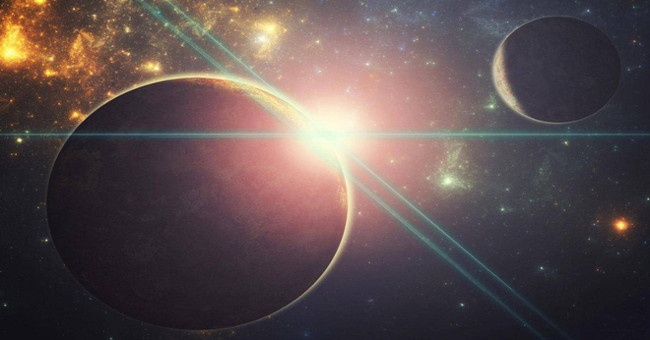
But you probably already know, the universe has a multitude of different galaxies, the Milky Way is just a part of it.
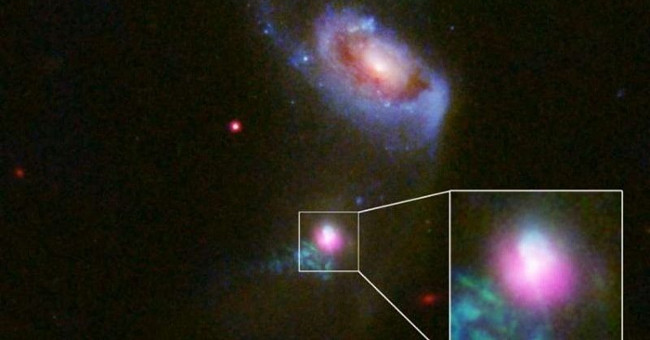
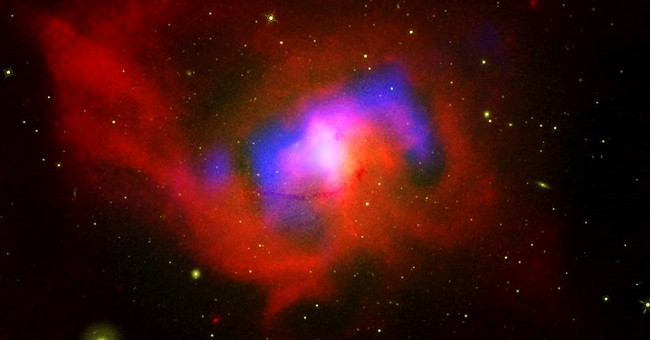
The new information shows that a giant black hole can push matter into the subject Milky Way, a phenomenon that many people associate with a beating heart pumping blood…
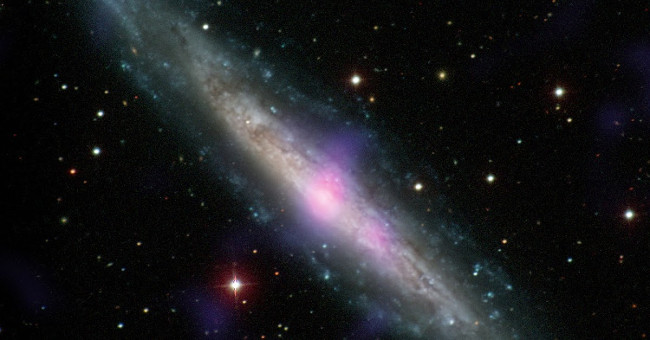
A new study confirms the existence of two supermassive black holes in galaxies near us.
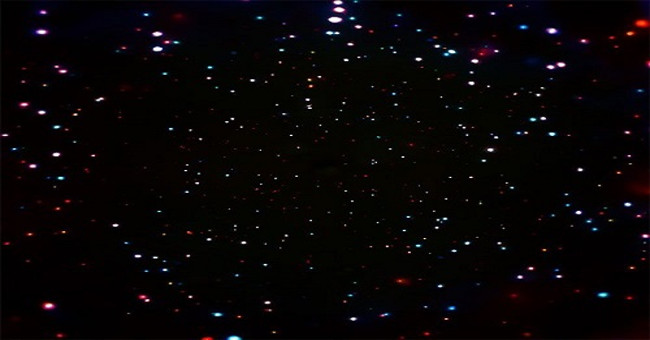
NASA's Chandra Observatory captures images with 5,000 giant black superholes, which have the largest density of black holes ever recorded.
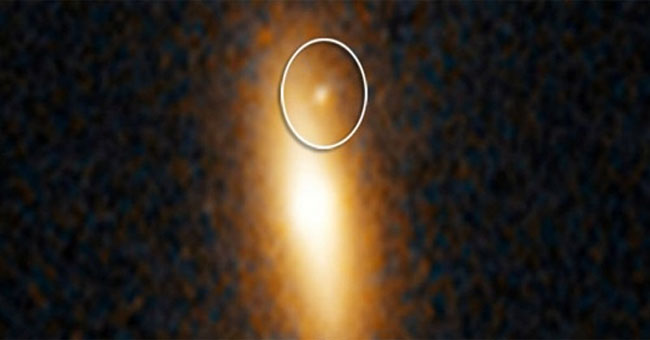
A black hole about 100,000 times more massive than the Sun is knocked out of its position and is moving in the galaxy.
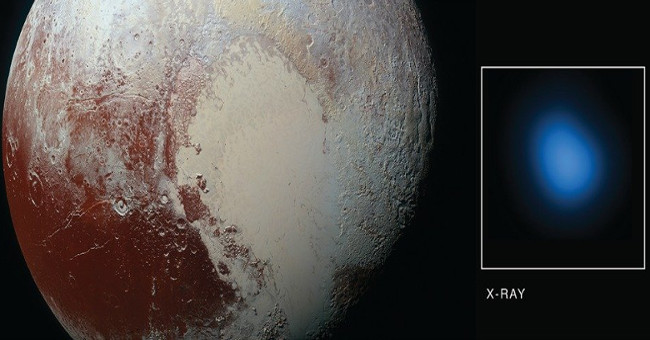
A team of researchers from NASA's Chandra Astronomical Observatory discovered X-ray light from Pluto (Pluto).
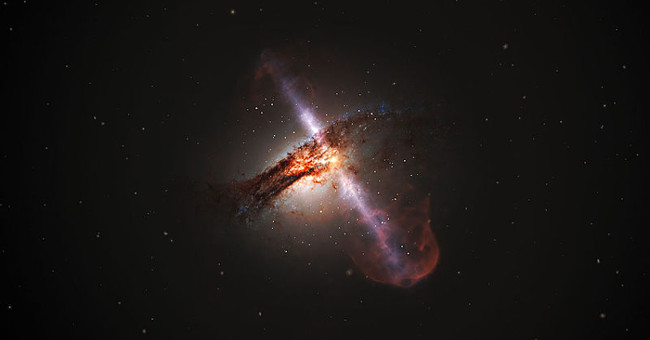
Astronomers have never seen the black hole once. However, they recognize them through the gravity and radiation of a giant black hole.
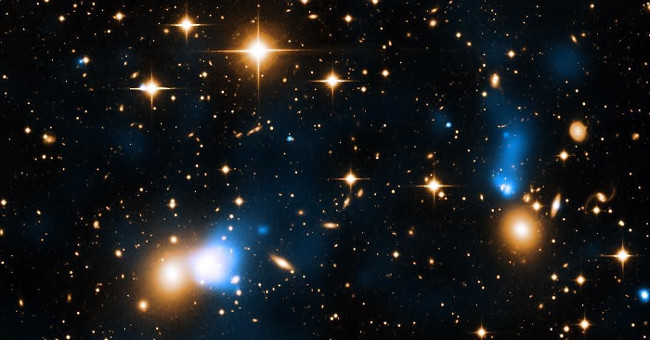
NASA's Chandra Observatory captured the image of a sparkling celestial object: a hot gas stream of 250,000 light-years long.

American astrophysicists discovered a black hole
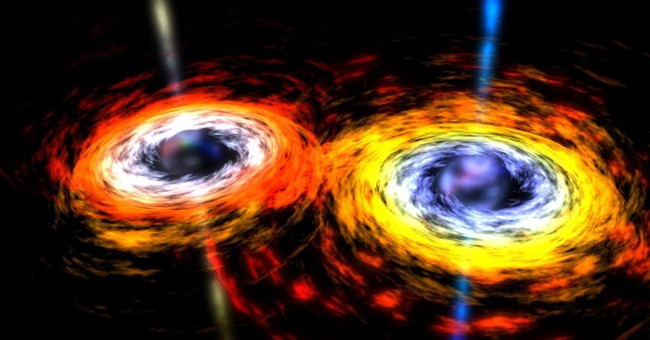
Scientists use NASA's Chandra X-ray telescope to detect a supermassive black hole in the center of a nearby galaxy.