
Science story
The most brilliant scientists in history.
Scientists are incredibly important to humanity. Thanks to their inventions and research, the world has developed as it has today.
Browse ScienceInfo articles and explainers related to Chandra.
66 published items.
Scientists are incredibly important to humanity. Thanks to their inventions and research, the world has developed as it has today.
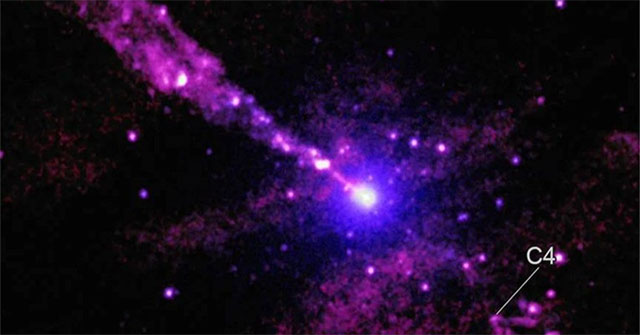
This discovery raises big questions about the nature and identity of this object in deep space.
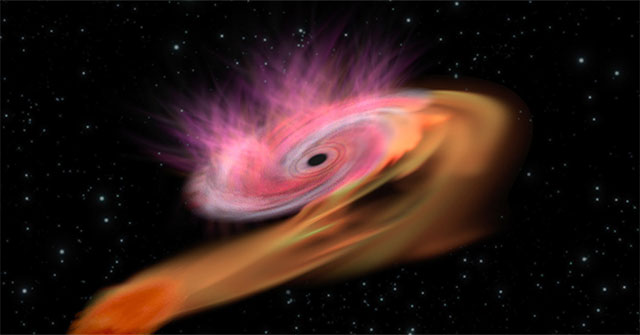
The two observatories Chandra and XMM-Newton have
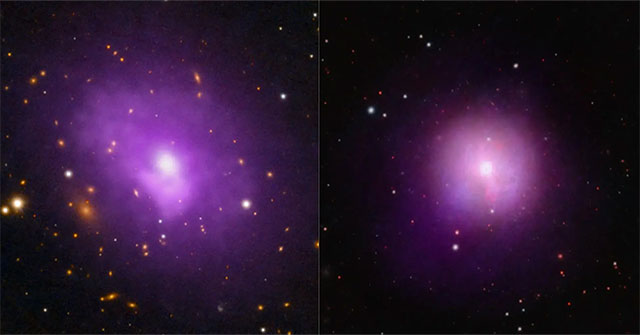
A team of astronomers has investigated where powerful beams from these 10 billion-year-old black holes have been and are heading.
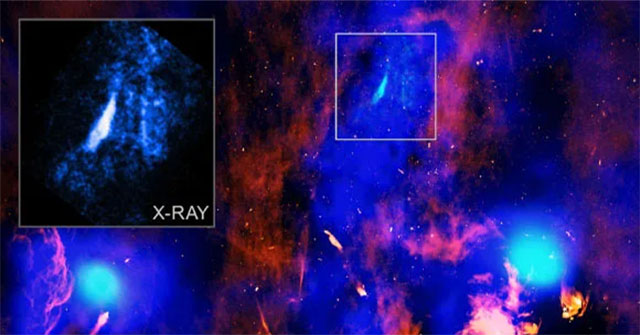
Data from NASA's Chandra X-ray Observatory reveals Sagittarius A* -

The black hole at the center of the Perseus sounding galaxy cluster created ripples in the hot gas of the molecular cloud around it, thereby creating

For the first time, scientists have captured unequivocal evidence of a white dwarf star ripping and swallowing parts of its own planet.

The Chandra X-ray observatory and numerous observatories around the Earth have just captured breathtaking images of cosmic grim reapers tearing through the sky in magica…
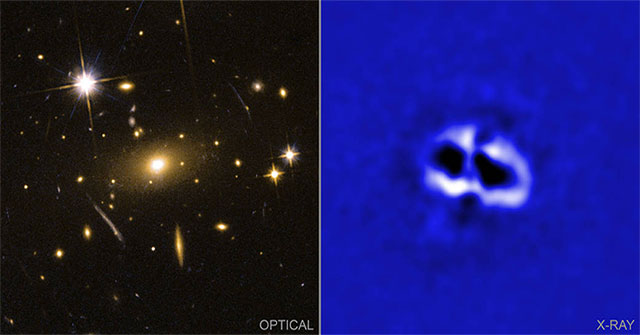
Scientists have found four massive holes at the center of a galaxy cluster thanks to NASA's Chandra X-ray Observatory, which are linked to a pair of monstrous black hole…
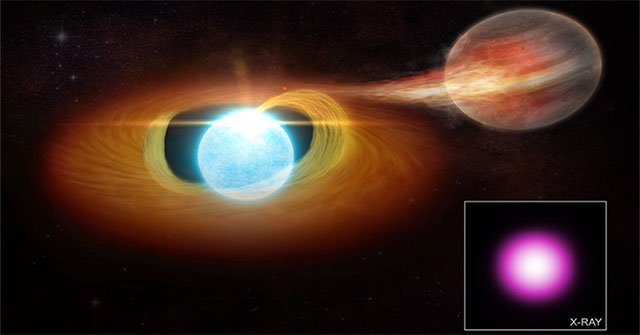
NASA's Chandra X-ray Telescope and ESA's XMM-Newton satellite investigated anomalous X-ray activity from three white dwarfs and discovered three objects that were planet…
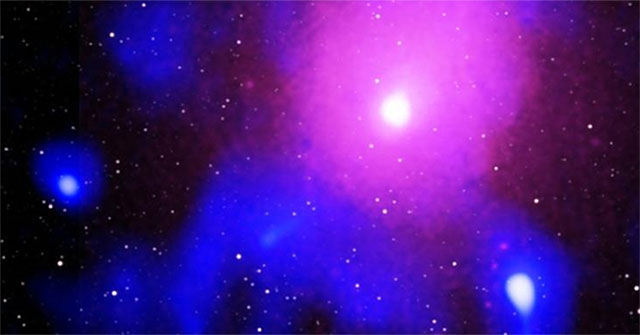
Astronomers have published images of the explosion that occurred inside the Ophiuchus galaxy cluster, about 390 million light-years from Earth.
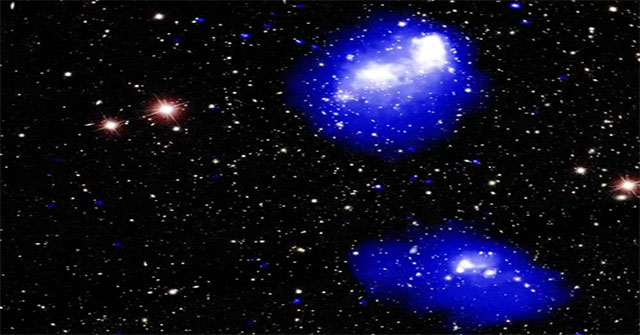
4 clusters of galaxies, each hundreds of trillion times the mass of the Sun, will gradually merge into a giant structure.
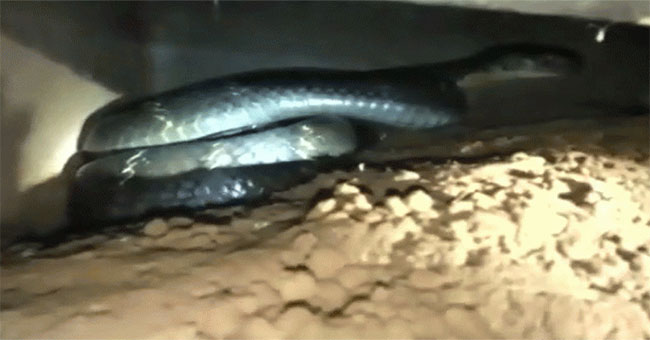
The snake rescue specialist uses his hand and a simple tool to catch the tiger and bring the king to the Simlipal National Park.
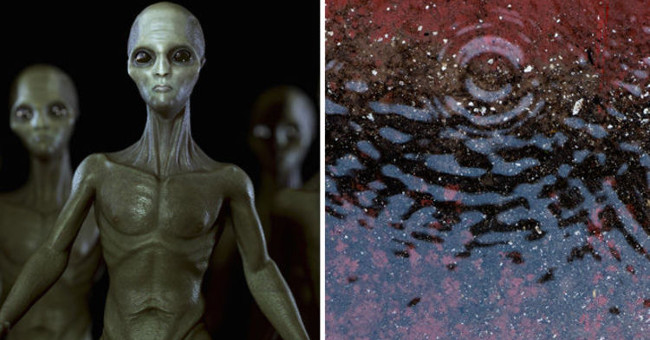
Accordingly, during the period of July 25, 2001 - September 23, 2001, the Indian state of Kerala suffered a strange red rain that had never been seen before.
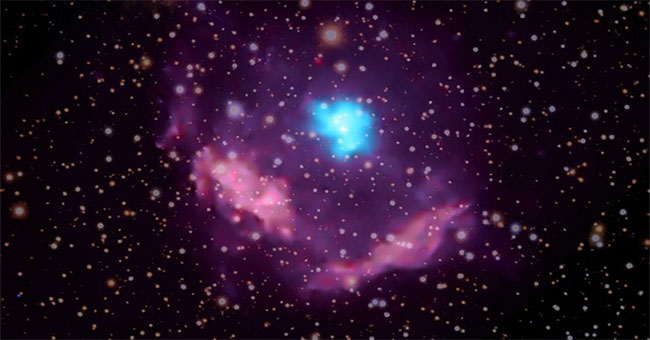
The first image was taken by Chandra X-ray Observatory of the US Space and Aeronautics Agency (NASA), showing the youngest pulsar that scientists have ever seen.