Space science
Mysterious decoding of
Scientists believe that they have solved the mystery of why some planets exist in the universe without orbiting any star's orbit.
Browse ScienceInfo articles and explainers related to Cloud.
844 published items.
Scientists believe that they have solved the mystery of why some planets exist in the universe without orbiting any star's orbit.
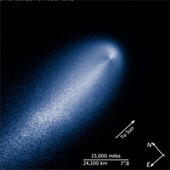
ISON, the giant comet that has been dubbed the comet of the century by scientists, will
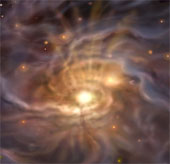
Astronomers are eager to observe the image of the largest known star in the Milky Way, thanks to modern telescopes in Chile.
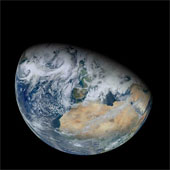
In addition to some of the planets that support human life, there are still billions of other planets in the universe that can.
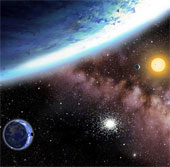
Although only discovered a few dozen candidates like the earth, scientists say the universe is likely filled with strange worlds that can support life.
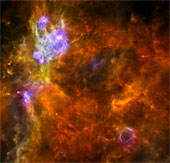
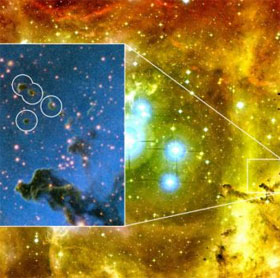
Newly born stars can grow up to 10-100 times the weight of the sun, if they are created in 'star nurseries' surrounded by many older stars.
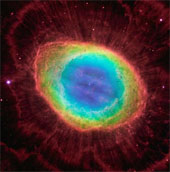
Volcanic dust rising into the sky, nebula shaped like giant blue eyes, clouds playing moon above the castle are astronomical scenes in the week.
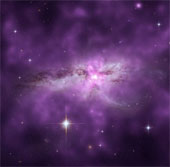
US scientists say the X-ray astronomical observatory of the US Aeronautics and Space Administration (NASA) on Earth's orbit Chandra has provided impressive details about…

The US and European Hubble Space Telescope discovered the remnant gas cloud of a supernova explosion in the Dorado constellation, which is 150,000 light years away from…
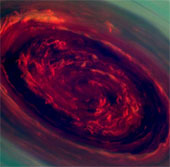
Cassini, the US spacecraft flying around Saturn, has captured the planet's super-stormy super-spectacle. The storm center has a width of up to 2,000km, and the wind spee…
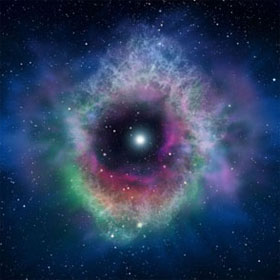
Thanks to a telescope in Chile, astronomers say they have detected traces of pictorial stars at the edge of a black hole in the center of the Milky Way.
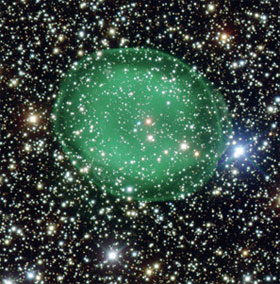
European astronomers have announced the image of a star about 3,300 light-years from Earth, emitting the last bright light before disappearing forever.

For the first time in history, scientists have accurately measured the distance from the Earth to the nearest galaxy.
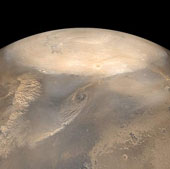
The US Aeronautics and Space Administration (NASA) said it was keeping a close eye on a giant dust storm on Mars that created many atmospheric changes in the planet.
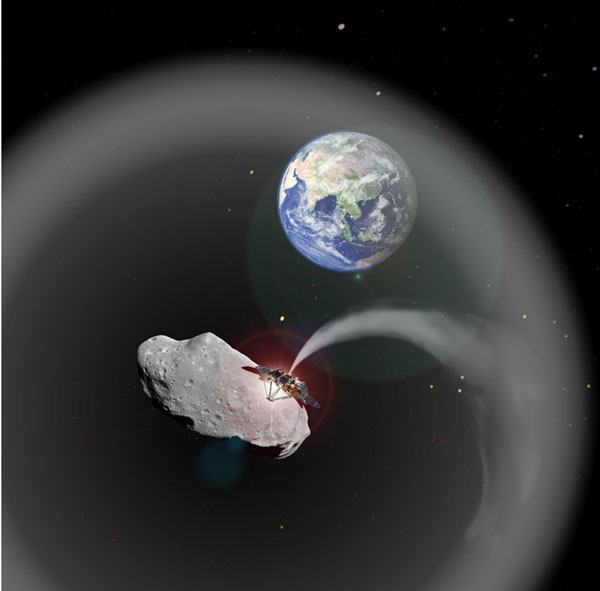
To cope with global warming, scientists in Scotland have come up with a new solution: a machine blowing huge dust in space into an asteroid that surrounds the Earth, act…