New technology
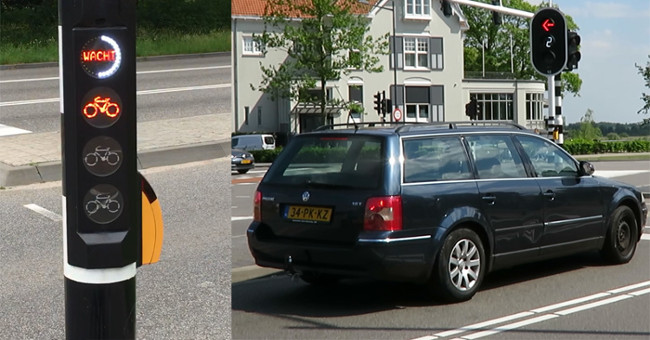
Smart roadside recognizes the car to turn on the green light
Tips on the road measure the speed and direction of the vehicle, combined with computers and complex algorithms to turn on the green light.
Browse ScienceInfo articles and explainers related to Computer.
2,119 published items.
Tips on the road measure the speed and direction of the vehicle, combined with computers and complex algorithms to turn on the green light.
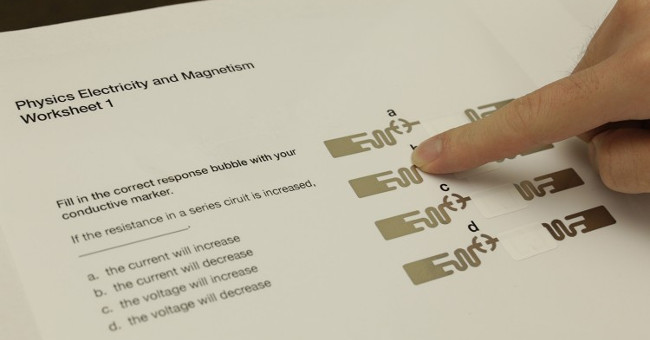
Using radio frequency identification (RFID) technology on bank card chips, scientists turned the piece of paper into a high-tech control device.
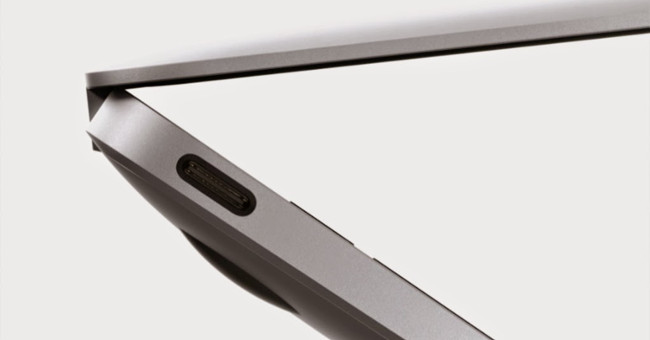
Thinness is haunting computer equipment manufacturers and to do such devices, not only need imaginative designers but also the technology behind it.
Scientists at the Australian National University (ANU) have successfully developed a camera lens that is 2,000 times thinner than human hair.
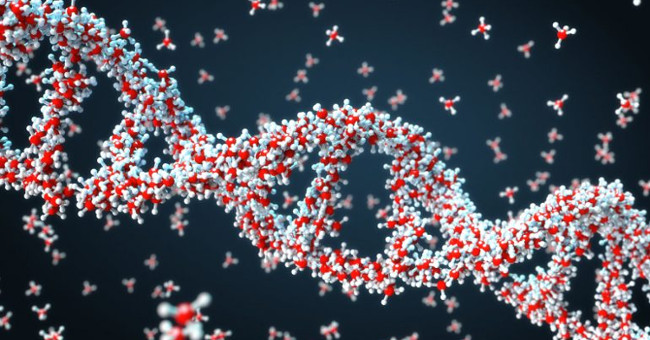
With the development so fast, data doubled every two years, storage is becoming more and more difficult.
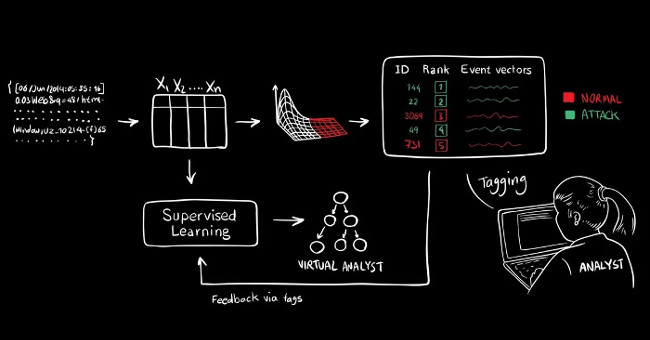
Artificial Intelligence (AI) systems by MIT researchers are able to detect up to 85% of the potential cyber attacks.
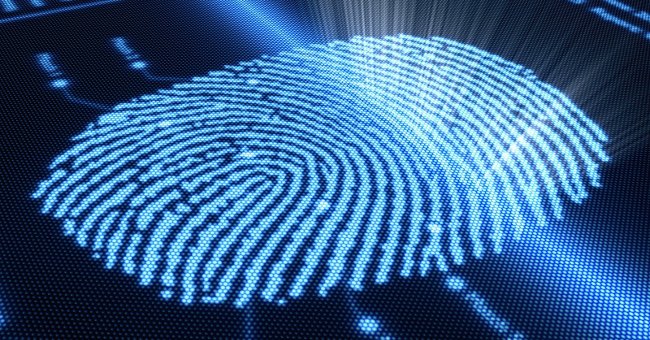
A group of 9 students at Makerere Computer and Information Technology University, Uganda invented a way to start the car with fingerprints instead of using keys.
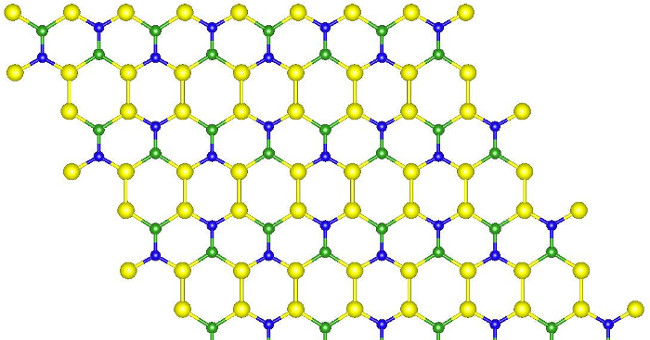
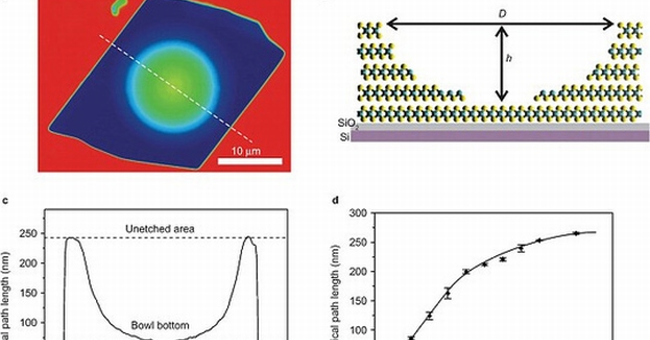
Creating a graphene-like material that is semiconductor will open many excellent applications in digital technology.

Machines are not invincible. AlphaGo has made a mistake that should not be worth it: Overconfidence

AlphaGo - Google's artificial intelligence last time proved it has mastered one of the oldest and most complex human games - Go.

This VR system absolutely no need to connect to the phone or computer to operate.

Italian and Russian researchers have created a neural network with children

The human brain is able to look at a 2-dimensional image on a paper or computer screen, then transfer this image to something inside the human brain in an extremely fast…
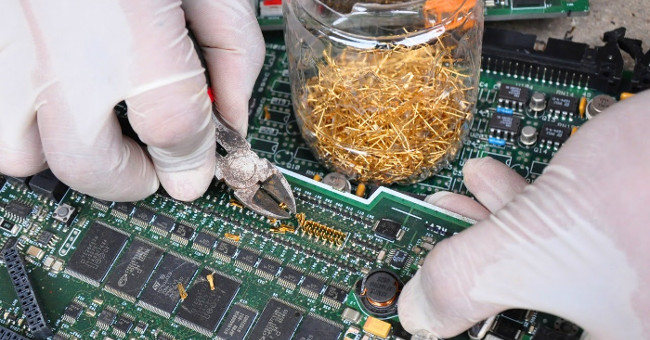
Canadian scientists successfully devise a solvent that helps to extract gold from electronic waste faster, safer and cheaper.
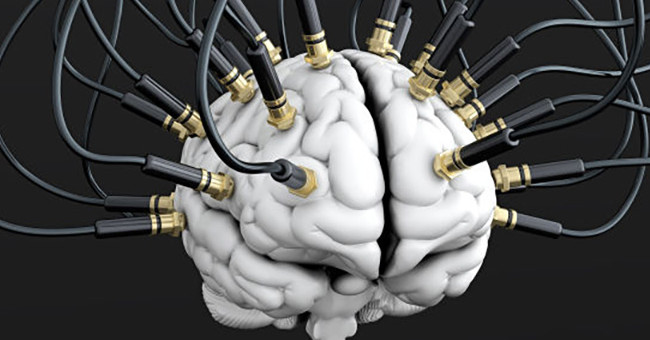
A chip that allows human and computer brains to communicate directly with each other is being planned by the US military.