Conquer Mars
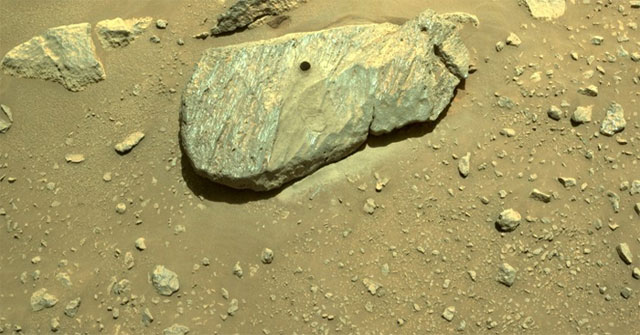
The Perseverance rover has taken soil and rock samples on Mars
NASA's Perseverance rover has collected soil and rock samples on Mars to bring back to Earth for research.
Browse ScienceInfo articles and explainers related to Crater.
342 published items.
NASA's Perseverance rover has collected soil and rock samples on Mars to bring back to Earth for research.
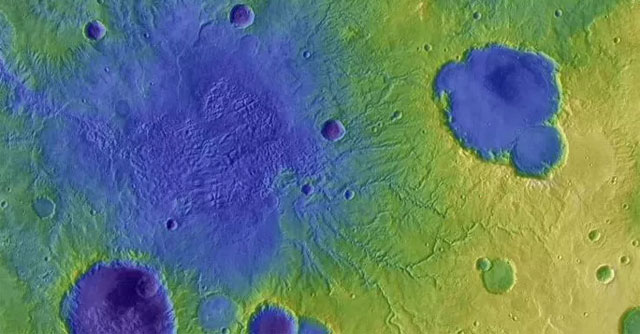
New research from the US shows that ancient Mars - the world thought to have been wetter than Earth - quickly and spectacularly possessed river valleys similar to ours.
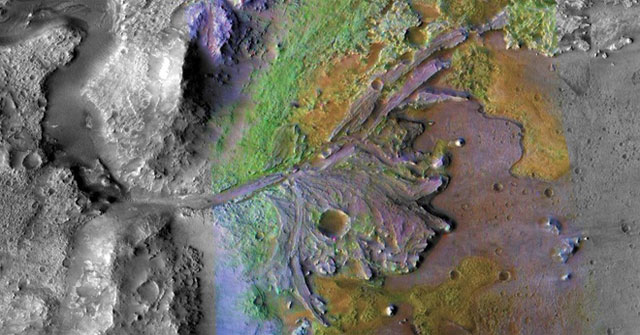
Geologists say an area in the delta near the Perseverance probe may contain fossil evidence of extraterrestrial life.
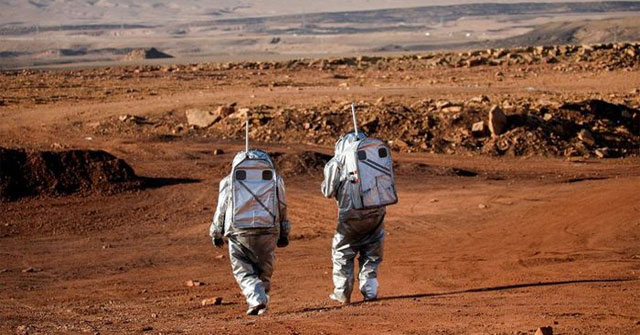
On October 10, under the Ramon crater in the southern Israeli desert, a six-person team of five men and one woman began simulating life for about a month on Mars.
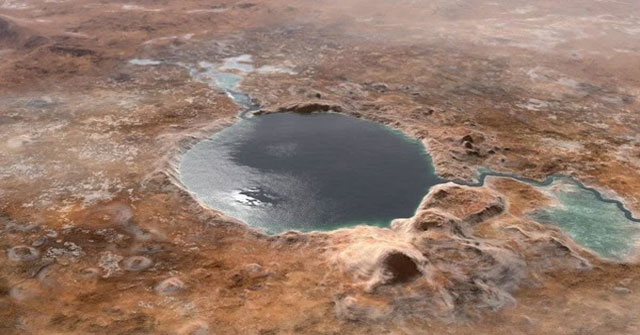
A large river once supplied water to this low-lying area. Most likely, the water source was also the source of life for Martian organisms that existed billions of years…
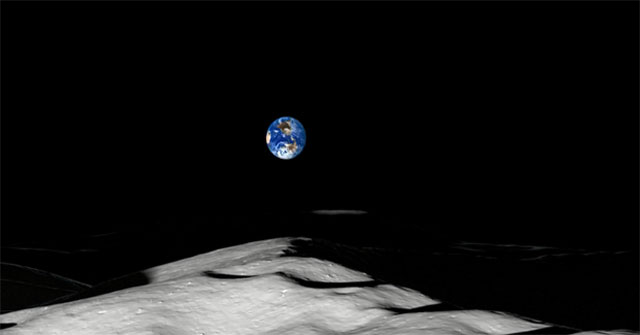
NASA hopes astronauts will be able to see Earth first-hand from the Moon's poles by the end of the 2020s.
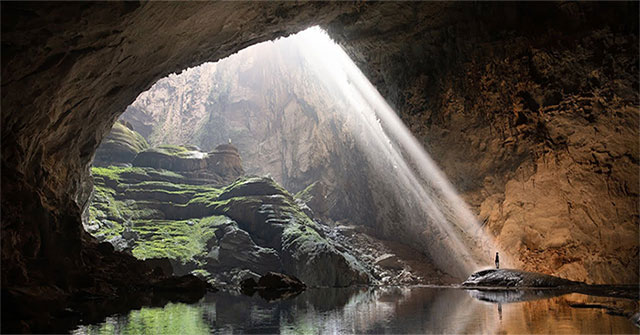
The world famous travel magazine CondeNastTraveler published an article introducing the 7 wonders of the world by Aaron Millar.
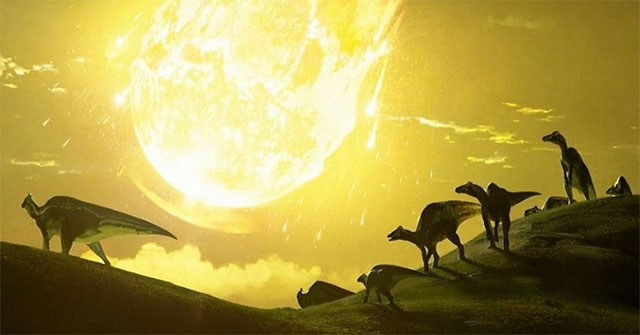
The meteorite caused the extinct dinosaur to crash to Earth 66 million years ago from the northeast at its steepest angle, maximizing the release of climate change gas.
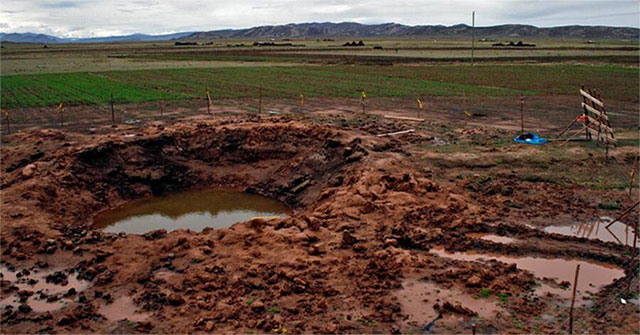
Hours after a meteorite descended near the remote village of Carancas in Peru in 2007, hundreds of people began to show strange symptoms.
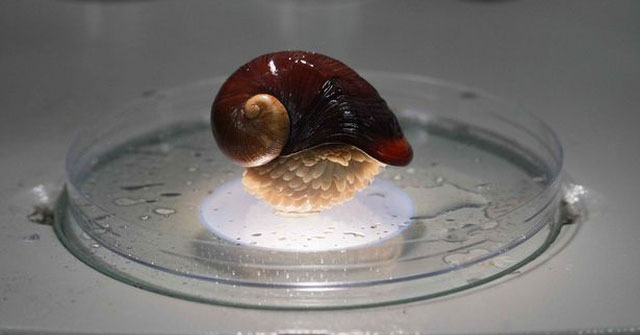
The foot-snail snail (hydrothermal snail) survived in what researchers call 'impossible conditions of life.
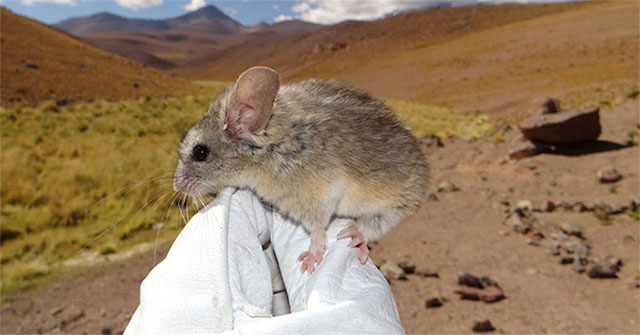
Experts found that mammals live at the world's largest elevation, where trees cannot grow and the temperature drops to -65 degrees Celsius.
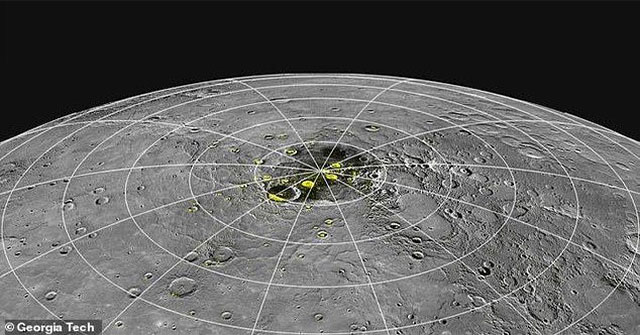
A team of scientists from Georgia Tech gave a new explanation for how ice formed on Mercury even though the scorching surface temperature could reach 400 degrees Celsius.
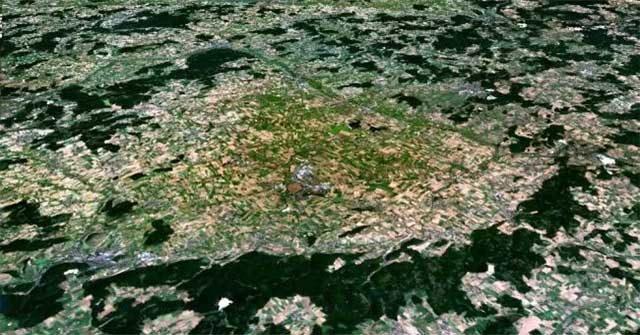
An ancient town in Germany was accidentally built by humans on land with alien characteristics like the giant Jezero life pit in Mars.
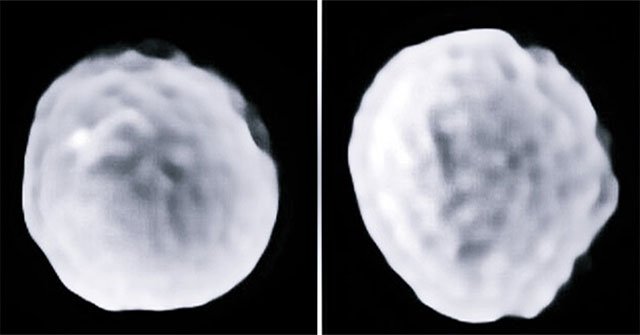
Pallas has countless giant craters on the surface due to collisions with other planets, causing it to warp like low-resolution golf balls.
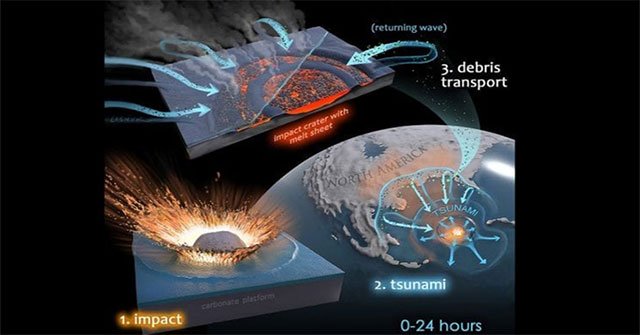
New research shows that death asteroids kill dinosaurs and 75% of species gave another life form a chance to explode, changing the face of the planet.