Archeology
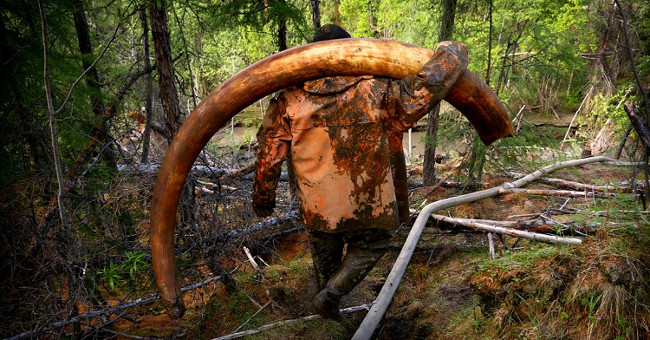
The thousand-dollar mammoth remains buried in ancient ice
Poachers dig millions of years of ice in Siberia to find prehistoric creatures sold on the black market.
Browse ScienceInfo articles and explainers related to Creature.
1,426 published items.
Poachers dig millions of years of ice in Siberia to find prehistoric creatures sold on the black market.
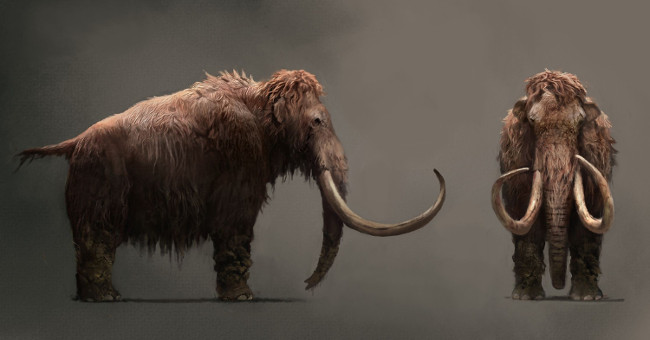
We often see in sci-fi movies, scientists easily revive animals that once extinct millions of years ago with only one drop of fossil remains.
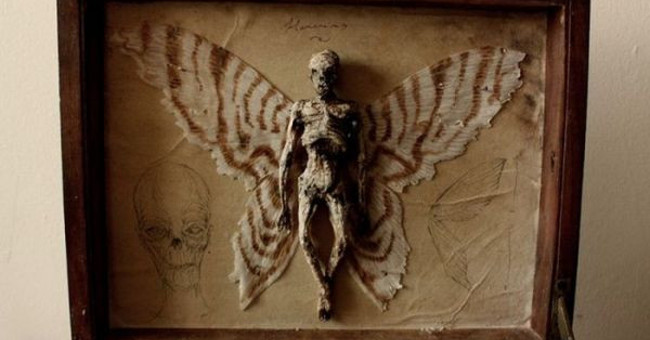
Fairy-shaped, winged skeletons, wolves and aliens are found in the basement of a London mansion of a 19th-century collector.
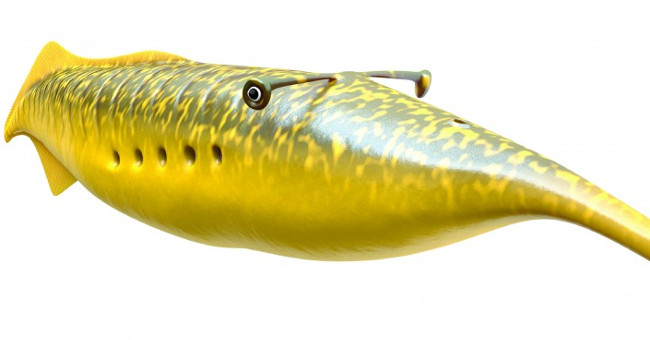
More than 50 years after the famous Tully monster fossil was discovered, scientists finally found the origin of the strange prehistoric creature that lived 300 million y…
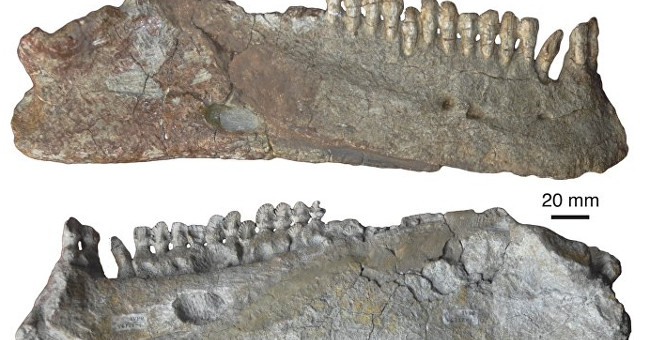
The herbivore possesses a massive body and bizarre shape named by the scientific world
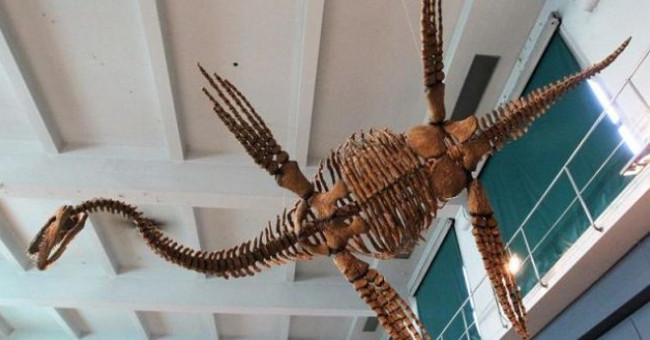
The mystery of the swimming style of the dragon (Plesiosaur), an ancient creature with a unique body, was decoded by scientists after nearly two centuries of controversy.

The fossil of this creature is helping scientists reinforce the hypothesis of life on Earth.
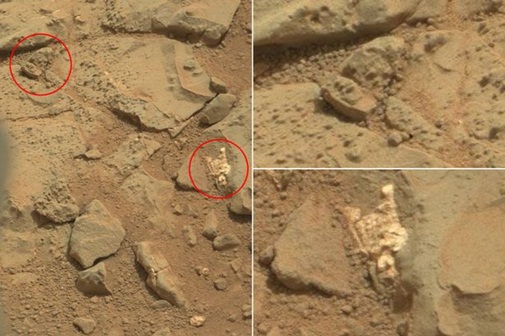
A strange human skeleton discovered on Mars is seen as evidence of life on this planet.
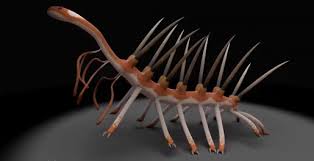
Canadian and British scientists recreated a species of creatures more than 500 million years ago, worms-like but with sharp spines, legs, eyes and teeth, based on fossil…

Coming to Santana do Cariri Museum of the City of Cariri in the Brazilian state of Ceara these days, visitors will admire the oldest fossil discovered in this country an…

The common ancestor of all human beings can own tentacles, according to the latest research by a Russian scientist.
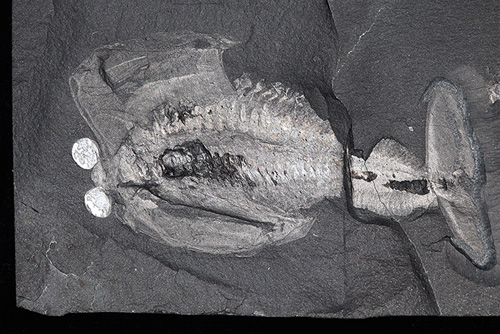
Fossil brain 500 million years old can provide more clues about the evolution of organisms on Earth.

Searchers think fossils are found to be alien products, while scientists conclude that it is just an ancient marine creature.
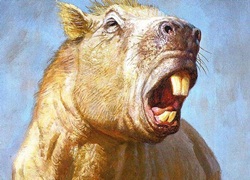
The strange creature with a large body like a buffalo and ivory-like set of teeth has lived on Earth about three million years ago.
Scientists have solved the 180-year mystery of South American ungulate mammals that famous naturalist Charles Darwin when he was described as