Discover science
New discovery about the evolution of life
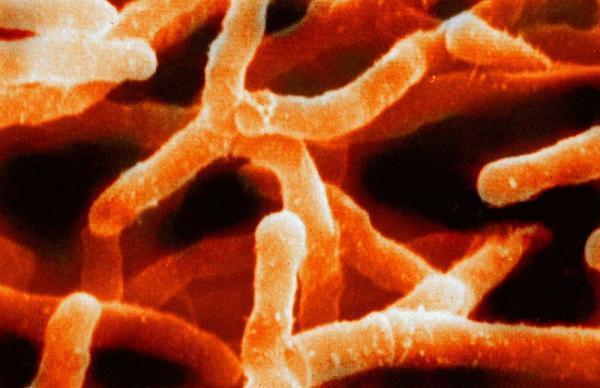
Humans may not have existed on Earth without the combination of two prokaryotes - small life forms without cell nuclei.
Browse ScienceInfo articles and explainers related to Cyanobacteria.
40 published items.
Humans may not have existed on Earth without the combination of two prokaryotes - small life forms without cell nuclei.
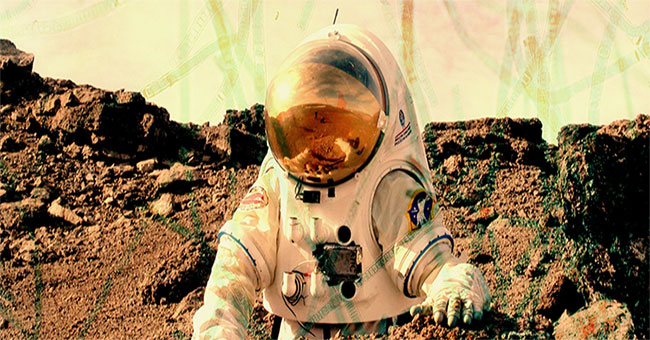
This bacterium has the ability to absorb carbon dioxide (CO2) and release oxygen in living environments
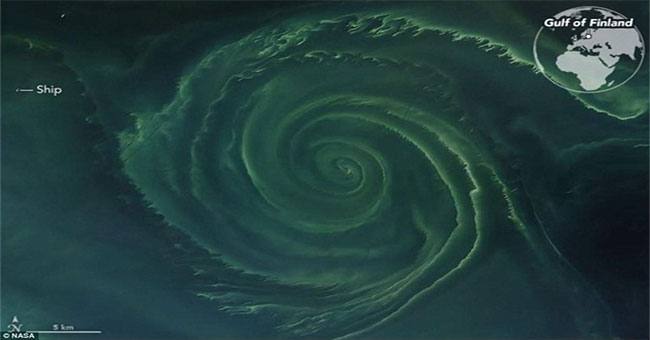
Summer is said to be a flourishing season, growing vigorously of a variety of planktonic algae in the North Atlantic, Arctic Ocean.

Research by the University of Liverpool found that the Sahara desert sandstorm helps sustain life across a large area of the North Atlantic.
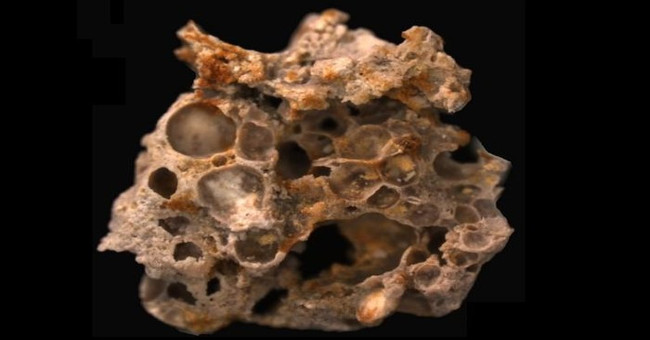
According to Geobiology magazine, Swedish and Danish paleontologists analyzed the 1.6-billion-year-old fossils, found in central India.
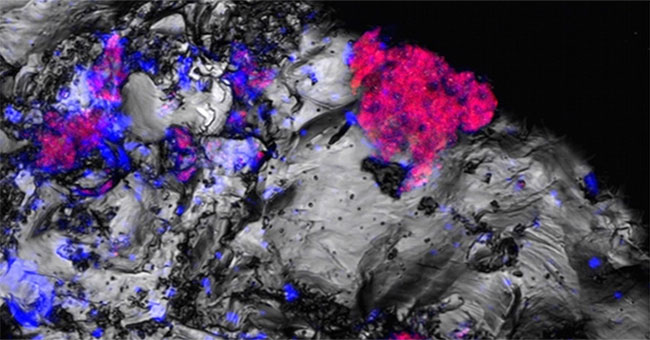
Scientists have found bacteria living in incredible depths in the ground, raising hope that there is life on Mars in the same harsh environment.
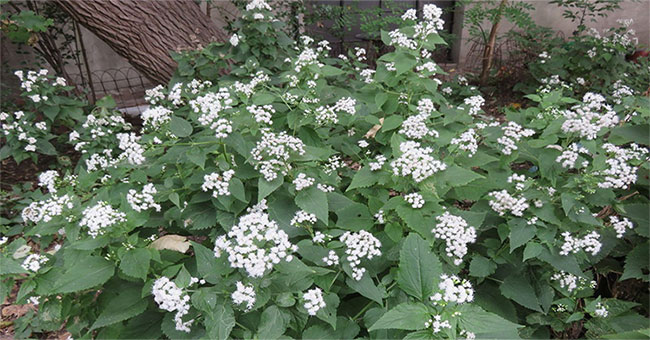
Unlike animals, plants cannot move. So they created themselves extremely dangerous weapons, enough to make every enemy regret it if touched.
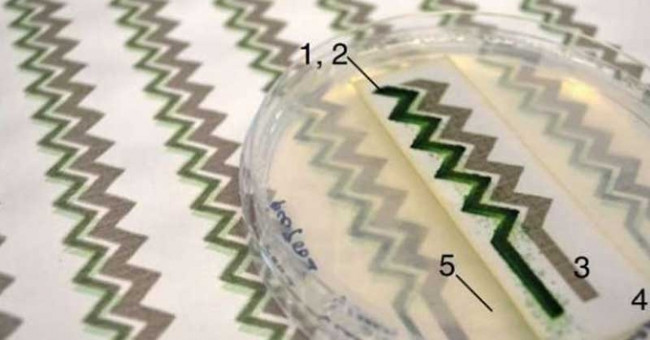
Scientists at the Royal College of London and Cambridge University have published research on bioelectric photovoltaic batteries in Nature Communications.
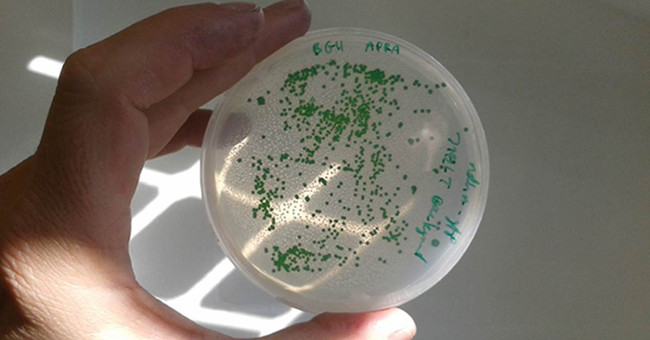
In a recent surprise discovery, scientists realized that some types of bacteria could see the world in a way similar to humans.
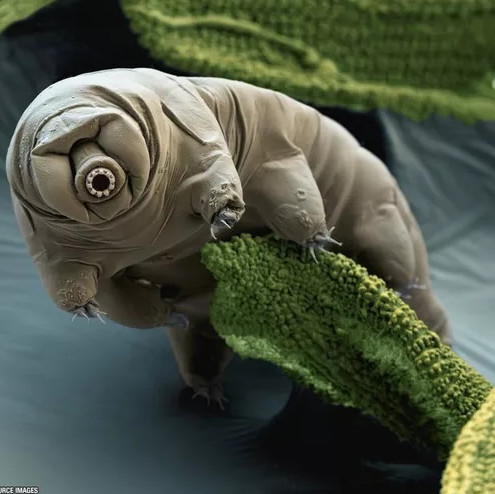
Certain creatures that can exist on Mars must carry a special form and survival ability ...
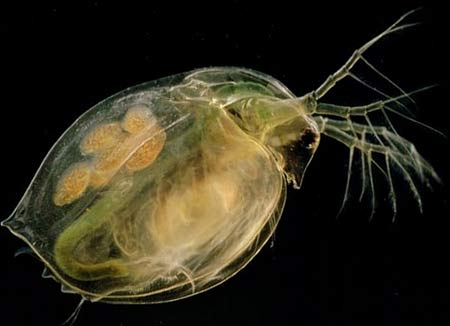
Where on earth without bacteria? In the soil, water, air, from volcanoes to deep sea, there is always the presence of a tiny rod. It was an ancient
Cyanobacteria, after taking up to 2.5 billion years to adapt to the Earth's biosphere, could pose a global threat in the future.
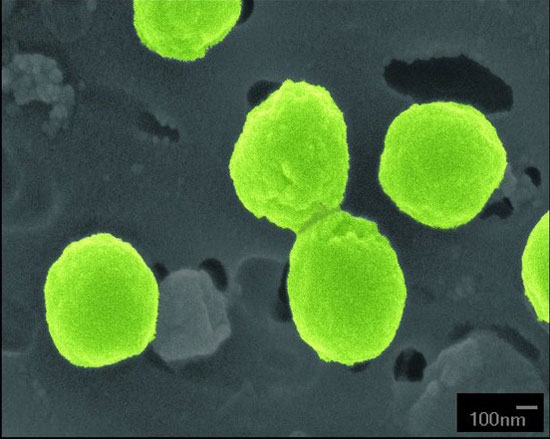
Some waters have very little creature, at first glance like 'saltwater desert' but when thoroughly studied there are surprisingly high concentrations of microorganisms.

Although the level of plants absorbs solar energy through different photosynthesis, their absorption efficiency is the same.
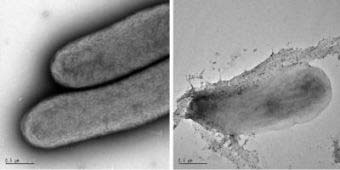
A new bacterium made for cellulose can be used to make ethanol and other biofuels. Scientists at the University of Texas at Austin say that the bacterium can provide a s…