
Space science
Rapid discovery, scientists are closer to identifying dark matter
New results from the world's most sensitive dark matter detector have narrowed down the range of particles known as WIMPs to the best ever.
Browse ScienceInfo articles and explainers related to Dark Matter.
100 published items.
New results from the world's most sensitive dark matter detector have narrowed down the range of particles known as WIMPs to the best ever.
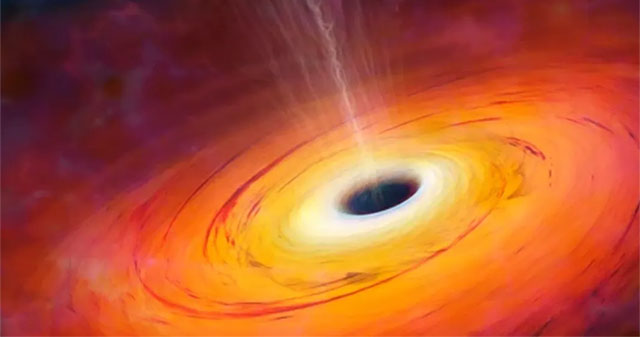
A new study of the microscopic structure of black holes promises to open up opportunities to solve cosmic mysteries, physicists say.

Dark matter is difficult to detect, but is slowly becoming clear with human evidence.
New insights into dark matter emerge as researchers explore theories about
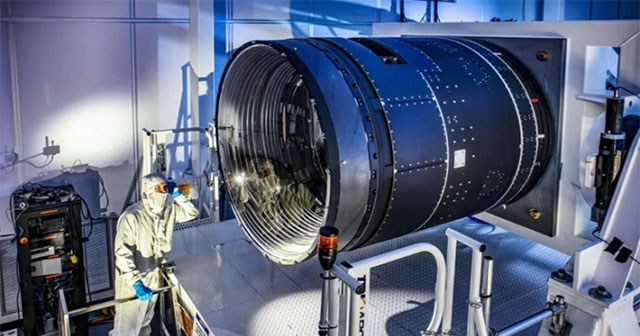
With its 3,200-megapixel LSST camera, the Vera C. Rubin observatory can uncover the secrets of dark matter and dark energy.
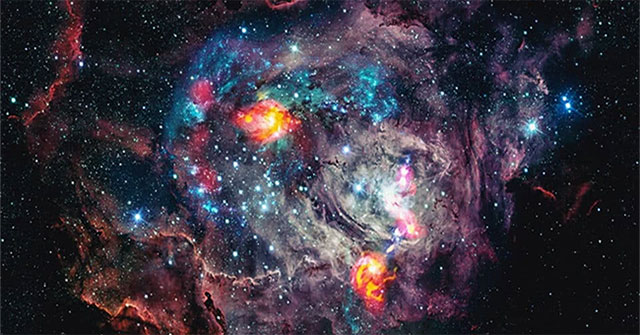
A report by the University of Ottawa (Canada) provides convincing evidence that challenges the traditional model of the universe, suggesting that there may be no place f…
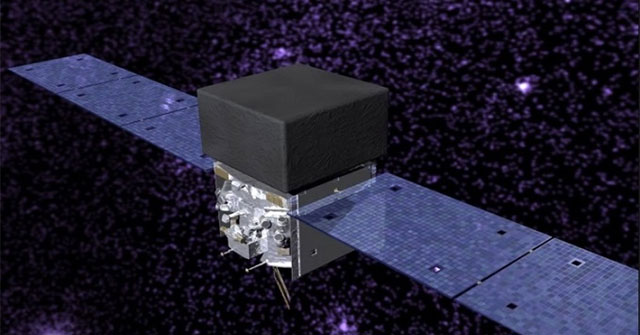
Chinese scientists plan to build the next space observatory to search for mysterious dark matter in the universe.
This is a big question, and it can be said that it is also a basic human question about the universe around us.
Massive gravitons may have formed a trillionth of a second after the Big Bang, with an excess large enough to form dark matter.
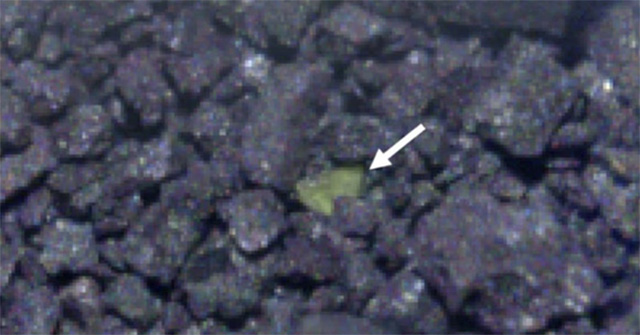
A type of dark matter that is very dark despite being illuminated by light, porous and has properties similar to clay recently brought back from Ryugu, the celestial bod…

The XENONnT dark matter experiment requires a huge laboratory deep underground, tons of liquid xenon and a series of precision measurement chambers.
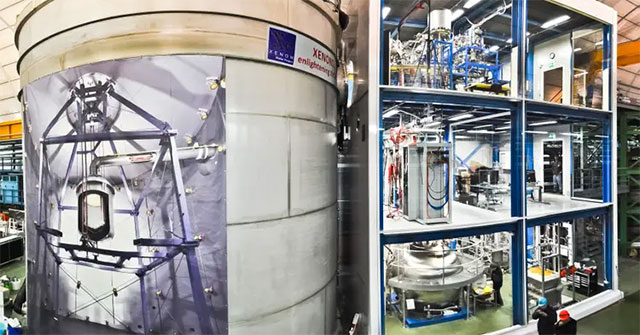
Errors in the recent dark-matter search experiment may open up new avenues for particle physics, but it is entirely possible that these are just the anomalies seen in th…
Scientists have found a particle, which could be the source of dark matter in the universe.
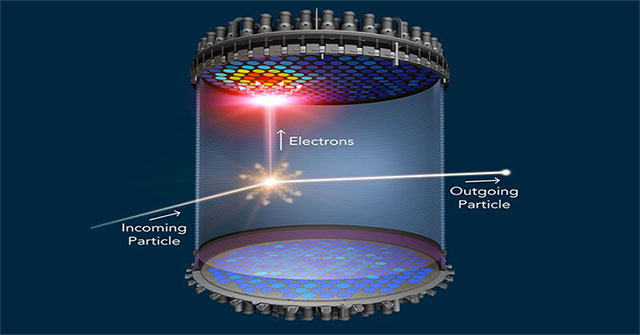
From deep underground, in abandoned gold and nickel mines, containers of liquid xenon and germanium crystals are used to detect dark matter particles.
In 1930, a Swiss astronomer named Fritz Zwicky discovered that clusters of distant galaxies revolved around each other faster than the large galaxies they observed close…