Oceanography
Tag the hunting animals in the Pacific
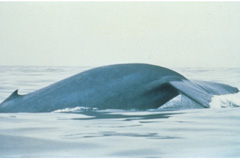
Scientists found that there are two large areas in the North Pacific Sea that are a promising land for marine life, attracting a diverse array of predators in the projec…
Browse ScienceInfo articles and explainers related to Data.
1,449 published items.
Scientists found that there are two large areas in the North Pacific Sea that are a promising land for marine life, attracting a diverse array of predators in the projec…
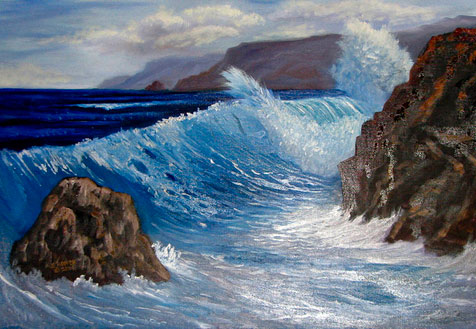
Sea level began to rise rapidly in the late 19th century and has tripled over the past two millennia, according to a detailed analysis of swamp deposits found in North C…

Fossil coral data and temperature records from ice core measurements have been used to set more suitable limits for future sea level rise, and to test predictions about…
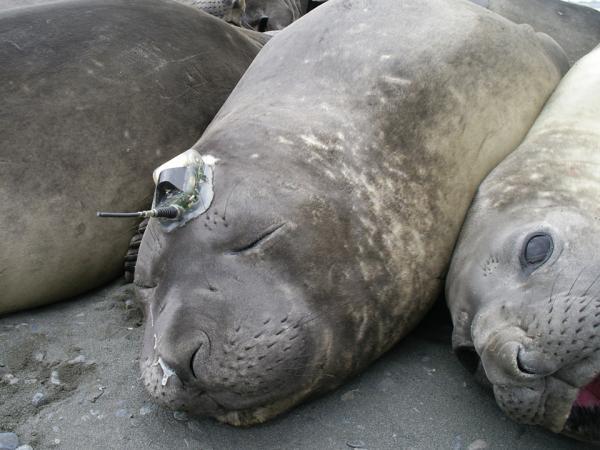
According to French, Australian, American and British scientists, a special oceanographic sensor attached to an elephant seal can provide 30 times as much data about the…
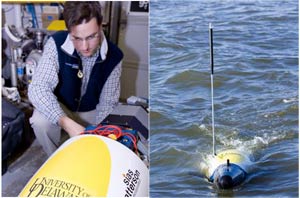
Ocean scientists from Delaware University (USA) have just launched the DOERRI robot - a new type of seabed robot that can help discover the geological secrets of the Bla…
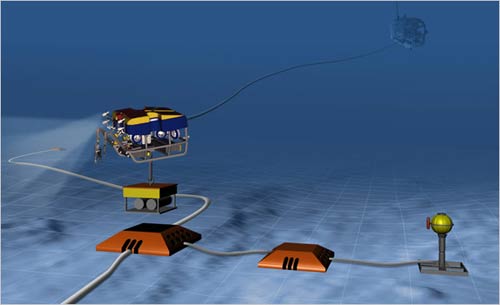
The ocean covers more than 70% of the earth. Life in the oceans is diverse, rich and influential on the continents. Therefore, observing the ocean is also of interest to…
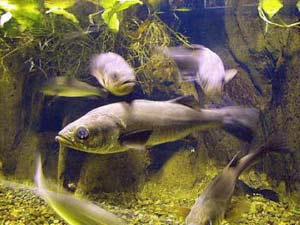
Scientists say there will be almost no fish or other seafood in the middle of the century if the current rate of exploitation continues. According to the latest study, t…
According to data from the ERS -2 satellite of the European Space Agency (ESA), the team of scientists from Germany and the Netherlands discovered that the water level i…
By using data from tide gauges around the world, Australian researchers have discovered sea level rise of about 19.5 cm from 1870-2004, with the fastest growth rate in 5…
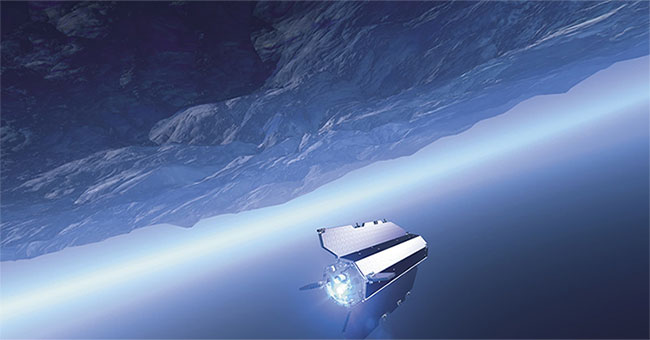
Hidden deep beneath the Antarctic ice sheet, scientists were surprised to find evidence that the continent's long-term existence was lost.
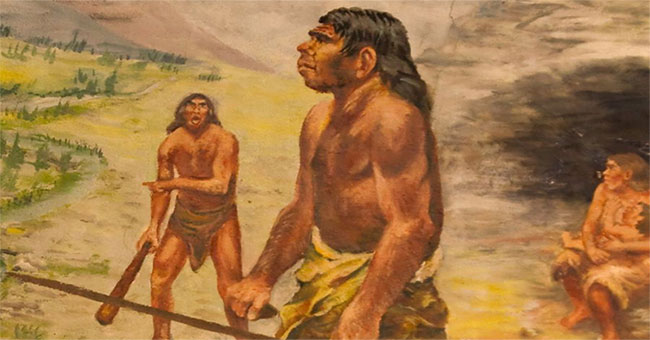
Previously, scientists believed that the FOXP2 gene, was associated with the development of speech. It is this gene that explains why modern humans have the advantage of…

Since 2015, the scientific community has been boiling for the tomb of pharaoh Tutankhamun (or King Tut).

New archaeological findings can change history. This article lists important archaeological findings in 2017 summarized by the Live Science website.
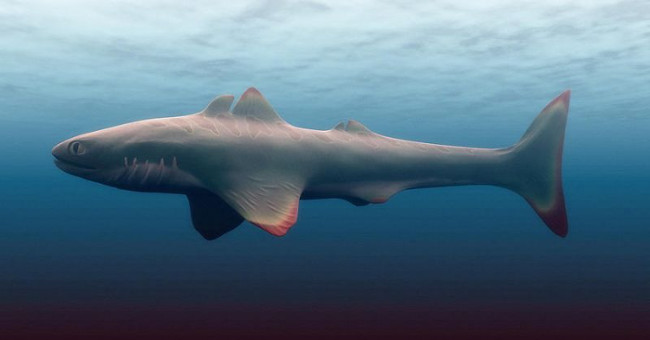
According to archaeological data of scientists after the discovery of their fossils in the Midwestern United States, Cladoselache is the ancestor of the shark.

According to Science Alert, the study focused on learning about one of the most remote areas, Oceania, where there are signs of human habitation about 3,400 years ago.