Space science
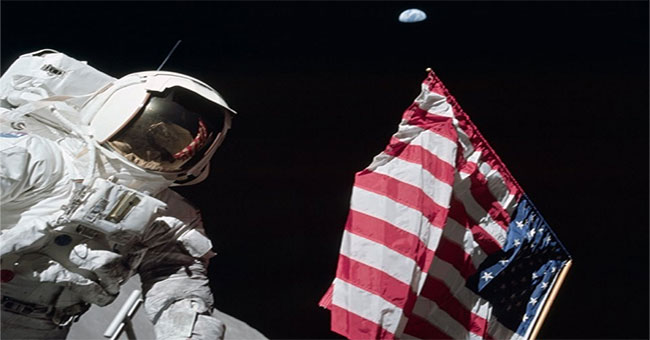
Due to the Apollo astronaut's fault, the Moon's temperature has increased in the past 40 years
It seems that besides the footprints, Apollo astronauts leave more than that.
Browse ScienceInfo articles and explainers related to Data.
1,449 published items.
It seems that besides the footprints, Apollo astronauts leave more than that.

The satellite is launched into orbit using the 4C Chinh Tung rocket from the Thai Nguyen Satellite Launch Center in Son Tay province, at 2:28 am Wednesday in Beijing tim…
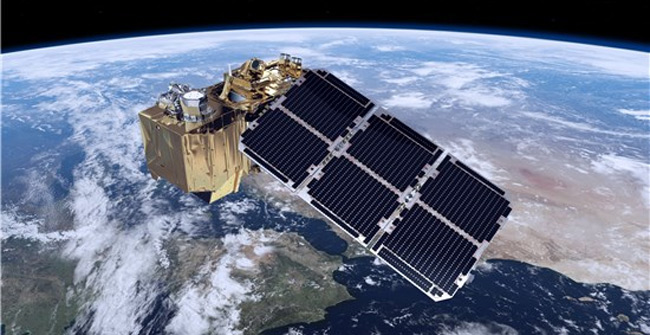
Europe has just launched into the satellite orbit of the 7th Sentinel Earth as part of the billernicus project worth billions of euro.

NASA has just revealed that they are asking global people to help them verify data from Clouds and the Earth satellite's Radiant Energy System (CERES).
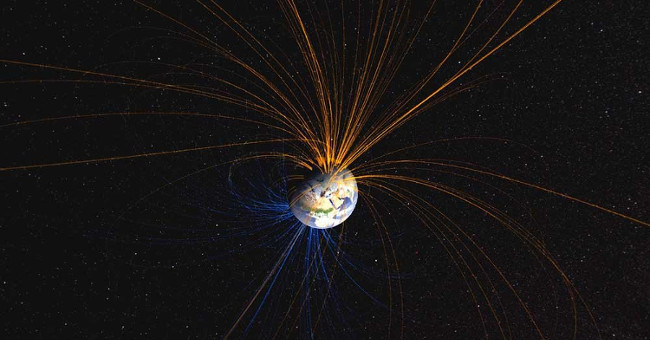
The Earth's magnetic field is weakening at such a fast speed that scientists think the magnetic poles will reverse.
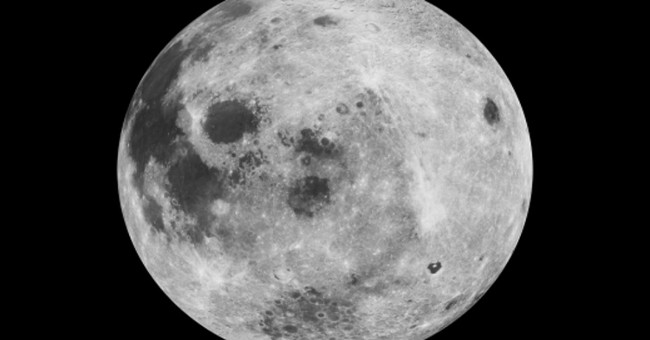
The true story is a joke, but the Moon is known as a natural satellite that revolves around the Earth, will be
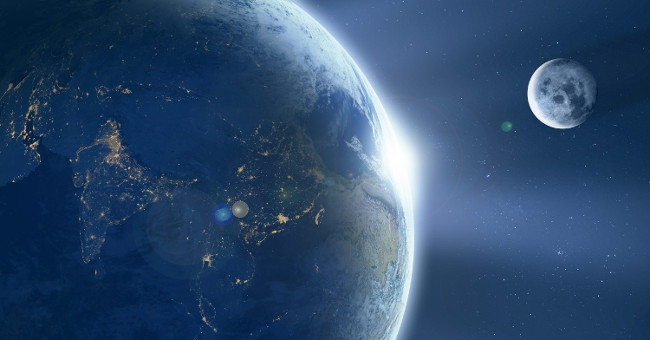
The article was recently published in Nature Geoscience, which shocked many people when they said the spectral data had found water on the moon.

This star has a radius of about 58% compared to our Sun, the mass occupies 65% of the sun, and has at least three
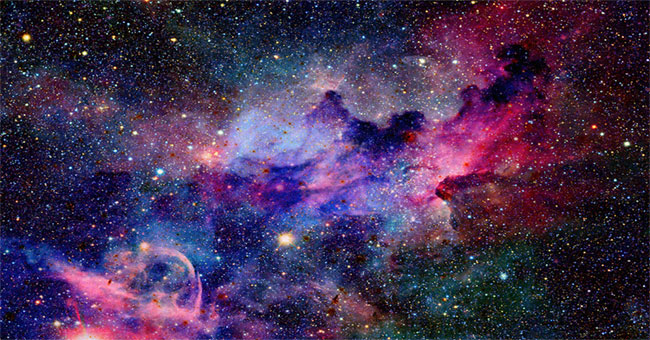
Recently, data from the Hubble Space Periscope has been used by aerospace experts, to analyze a phenomenon we can first observe
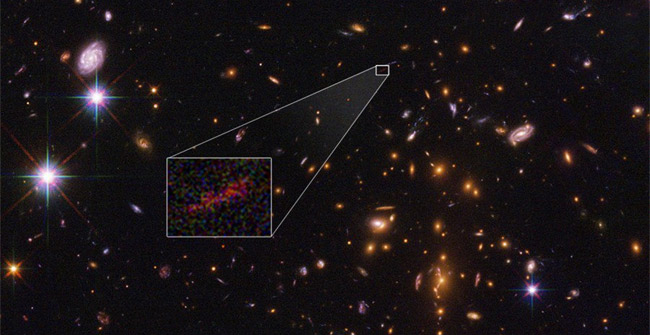
The most distant galaxy in the universe suddenly caught sight of space telescopes. Combine Hubble and Spitzer data and estimate this galaxy to be 13.3. billion years ...…
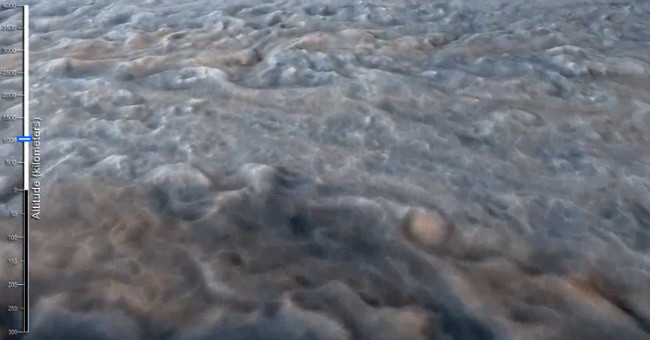
NASA shares graphics revealing the scene when flying through super storms Large red marks with a diameter of 16,000km sweep Jupiter for 350 years.
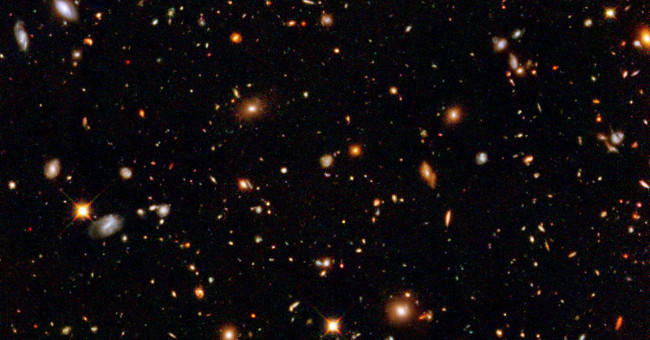
An innovative measuring instrument on a telescope in Chile discovered 72 mysterious galaxies dating back 13 billion years, right after the universe was formed.
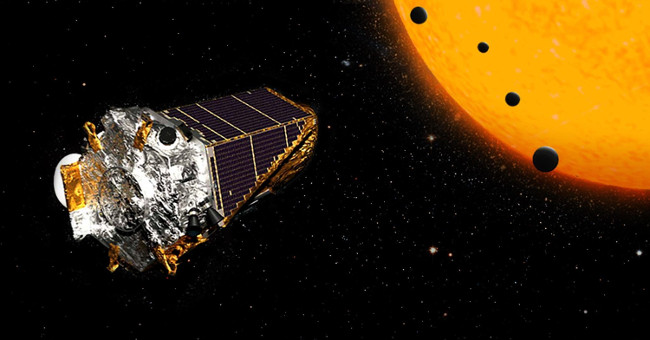
NASA will share the latest discovery from the Kepler space telescope that specializes in hunting extrasolar planets that can contain life.
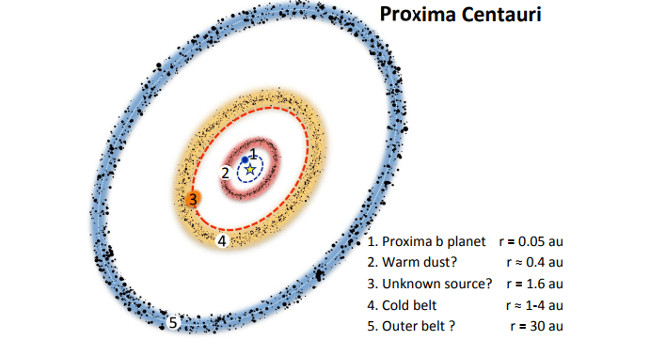
Scientists used data from the ALMA Observatory in Chile to study the star discovered last year.
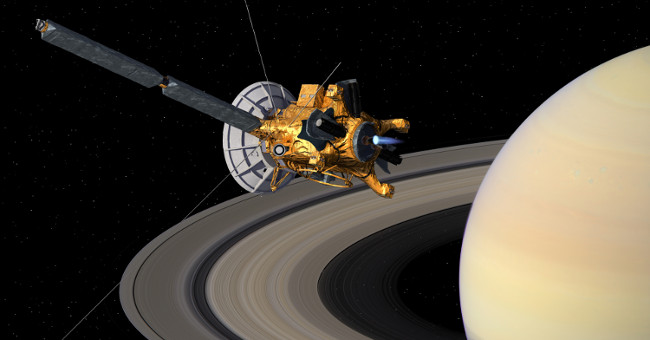
After debuting in 1997 and approaching the Saturn system in 2004, Cassini spent 13 years exploring the planet and its moons.