Space science
Detection of super-cold ice planets with mass like Earth
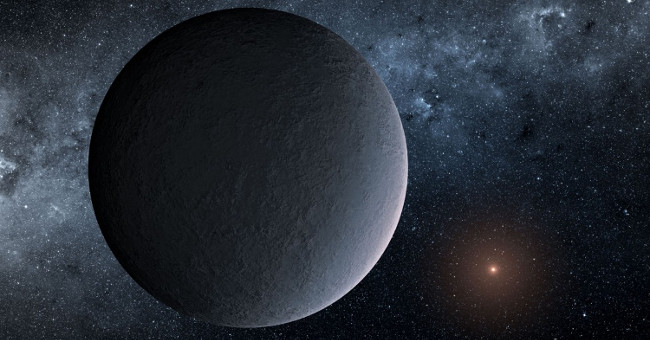
NASA astronomers discovered an ultra-cold planet with a mass similar to Earth and orbiting its star at the same distance as the Earth orbiting the Sun.
Browse ScienceInfo articles and explainers related to Detection.
672 published items.
NASA astronomers discovered an ultra-cold planet with a mass similar to Earth and orbiting its star at the same distance as the Earth orbiting the Sun.
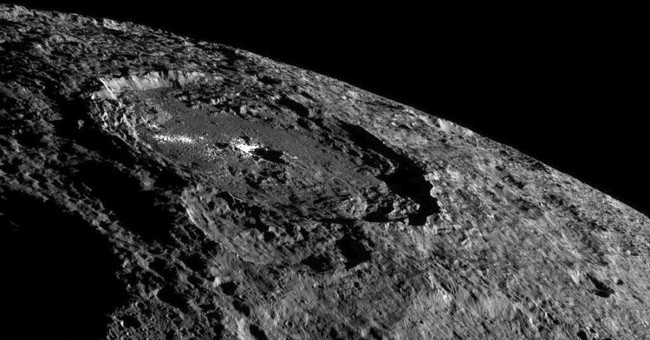
The probe Dawn reveals that this asteroid has about 30% water at the poles, explaining the ice volcanoes and strange light spots scientists have found.
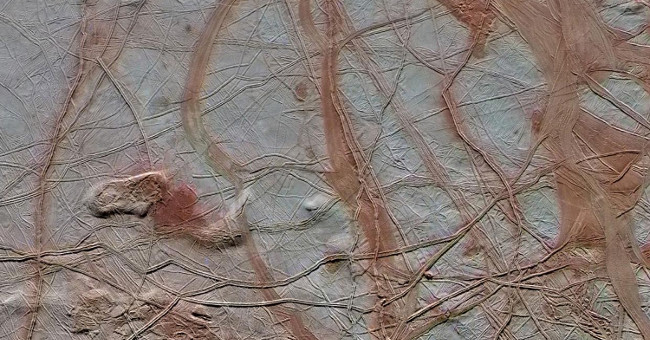
Researchers from NASA discovered that the rate of oxygen and hydrogen production on Jupiter's satellites is similar to that of the earth.
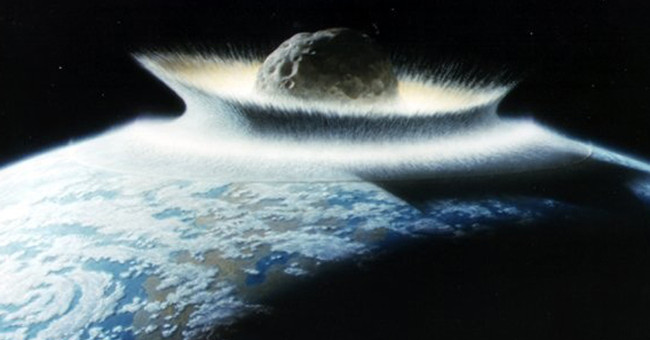
According to a recent study, the collisions of asteroids into the Earth's surface may have facilitated the growth of microorganisms.
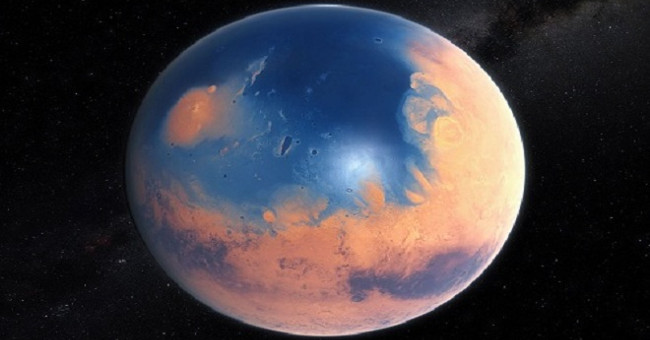
The breakthrough astronomical findings in 2015 help scientists have more motivation to prove people are not alone in the universe.

The US Aeronautics and Space Administration (NASA) has announced a project called FireSat that will give the earliest warnings when a wildfire is occurring, in the face…
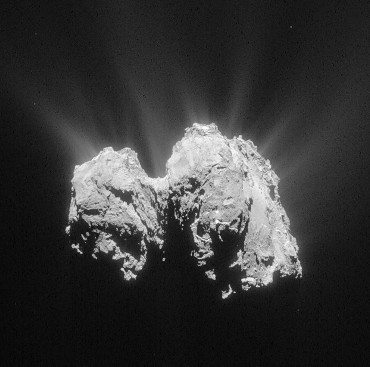
Comet exploration robot 67P Churyumov-Gerasimenko for the first time discovered oxygen exists in the cloud of gas surrounding comets, surprising the world and putting ne…
The team at the California Institute of Technology (Caltech) has discovered a galaxy about 13.2 billion light-years from Earth and may be the farthest, oldest galaxy we'…
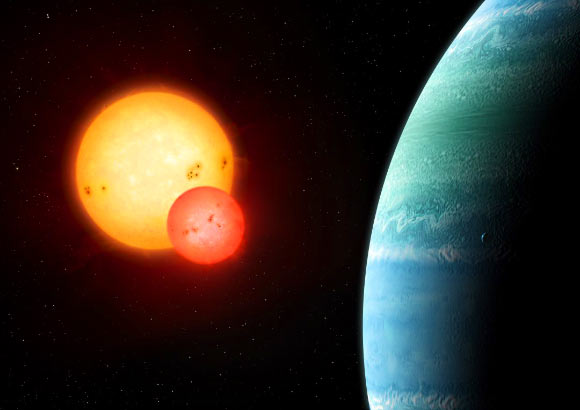
Astronomers have announced a surprising new discovery about a new circumbinary planet - the planet orbits two stars.
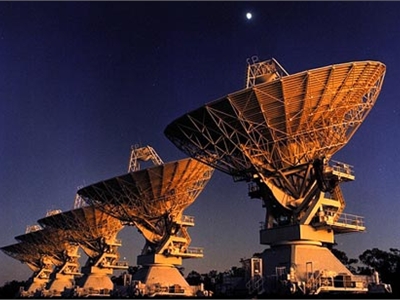
A groundbreaking radio telescope project in western Australia has obtained surprising initial results, when a signal radiated before our solar system formed.
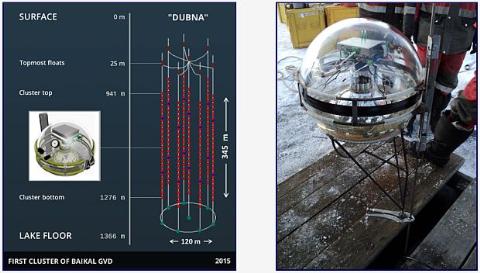
Russian scientists released the device into Lake Baikal in hopes of shedding light on the nature of dark matter and the origin of the universe.
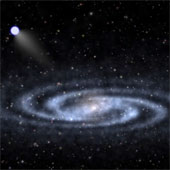
Chinese-Chinese scientists have discovered a super-fast star, moving at a rate of 1.6 million km / h, located near the center of the Milky Way.
For the first time, astronomers have observed gas strips that are thought to connect the entire universe to a network.
For the first time a telescope detected steam rising from Ceres, the largest dwarf planet in the solar system's asteroid belt.