
Space science
Discovered the unknown type of black hole
Besides small or extremely large black holes, scientists have discovered a medium-sized black hole, something that has never been known before.
Browse ScienceInfo articles and explainers related to Detection.
672 published items.
Besides small or extremely large black holes, scientists have discovered a medium-sized black hole, something that has never been known before.

Data provided by Japan's space probe Kaguya shows that there is evidence of the existence of uranium on the moon.
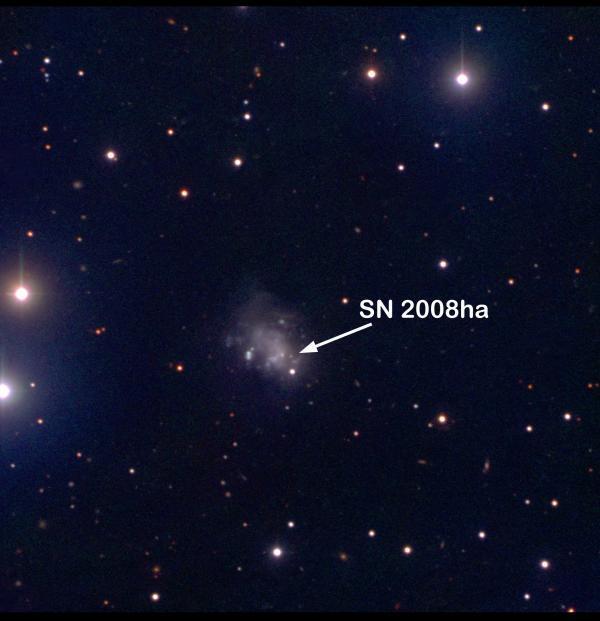
Core-collapse supernovae (also called gravitational supernovae) is one of the most violent phenomena in the universe.
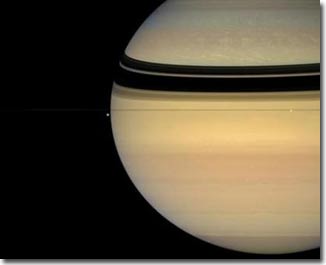
Scientists say they have discovered a hot spot containing compressed air on the cold north pole of Saturn. This amazing discovery can reveal new details about other plan…
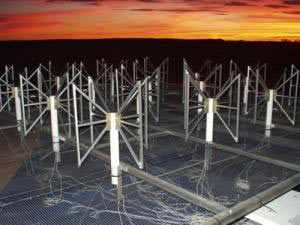
The low frequency detection carpet (LFD) of the Mileura antenna network (MWA) (MWA-LFD system for short) is located in western Australia as a specialized device for radi…
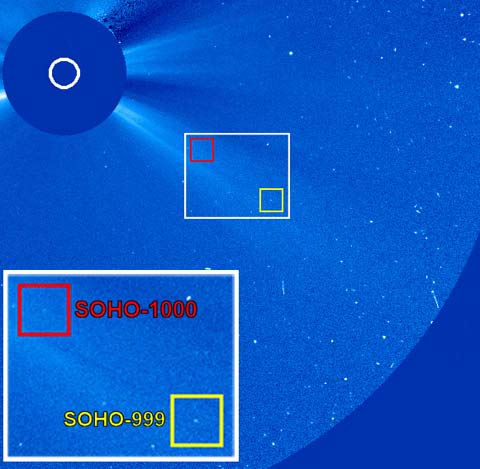
Comet quest continues. The latest C / 2006 P7 comet (SOHO) was discovered by an amateur amateur astronomer, Arkadiusz Kubczak.
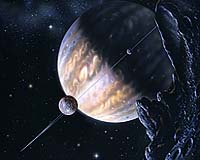
Colorado University researchers while simulating supercomputers 4 The solar system is close to each other with large Jupiter-sized planets - the largest planet in our So…
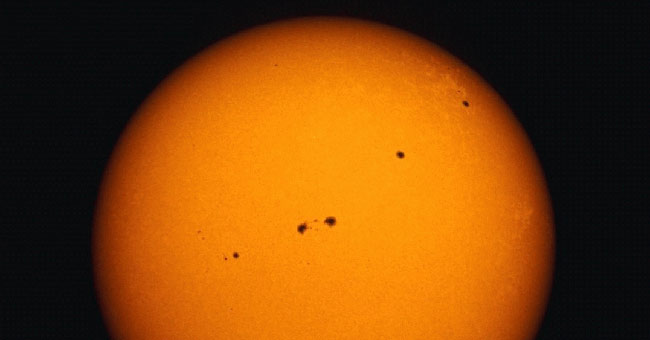
Dutch astronomer Johannes Fabricius while observing the Sun through his telescope unknowingly discovered dark spots on the star's surface. This is also the first time an…
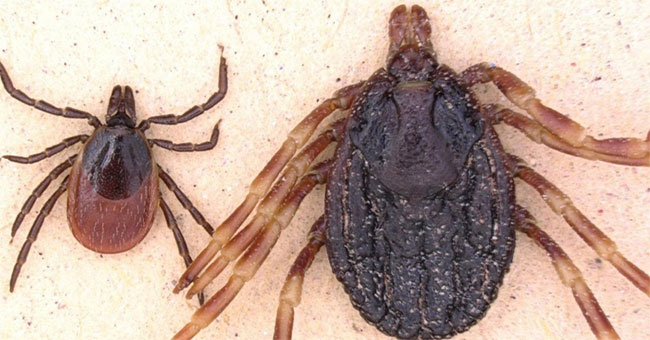
Scientists in Germany have discovered a tropical mite that can grow up to 2cm in length - 10 times larger than regular mites.

AFP news agency (France) cited sources from the Sierra Leone Government as saying that researchers have discovered a new Ebola virus in bats in the country.
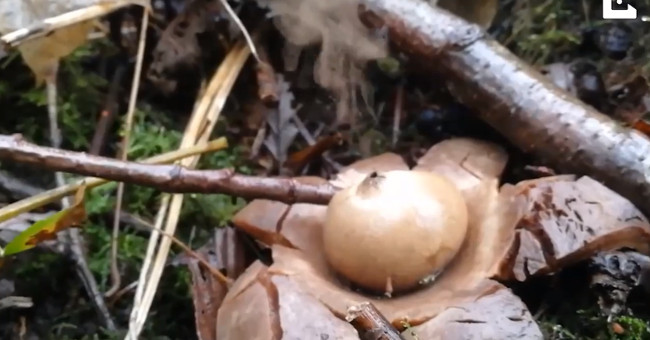
Spores inside the gaestrum mushroom, or soil star fungus, escape when exposed to external influences.
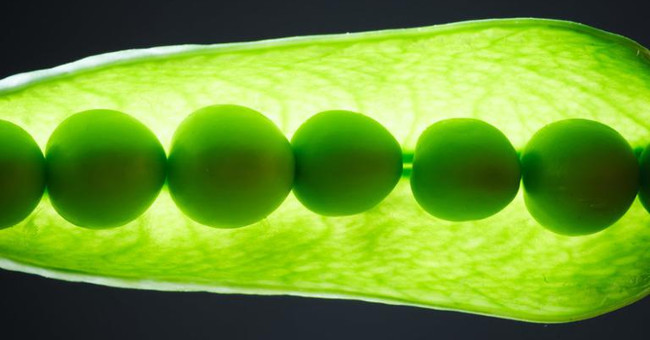
A recent study has shown that plants can use sound waves to sense vibrations caused by water moving in the ground, thereby easily finding a source of water to feed thems…

Life on Earth survived thanks to oxygen, but surprisingly a few billion years ago, when oxygen had not yet appeared, there were germs of bacteria living.
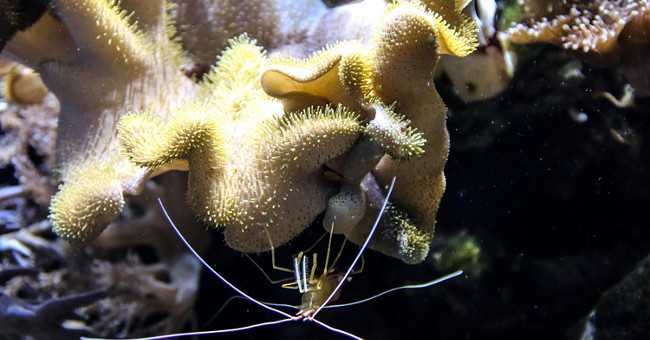
A new study shows that a species of bacteria living in the ocean may be the key to regulating the Earth's climate.
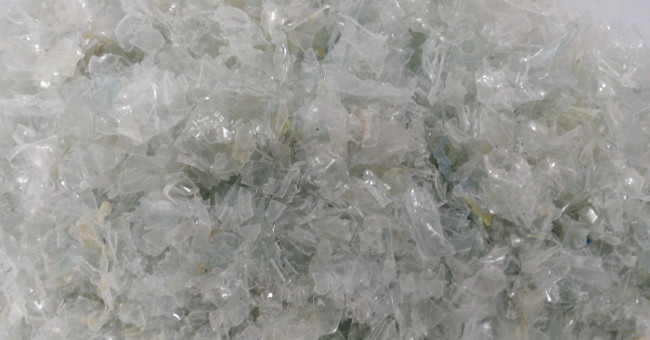
A group of researchers at the Kyoto Institute of Technology (Japan) has discovered a new bacterium that is capable of producing a very effective plastic destruction enzy…