
Science story
Before the radar, how did people detect planes?
Today, it is easier to detect the movement of aircraft thanks to the help of radar systems. However, before the radar technology, how do people detect the movement of ai…
Browse ScienceInfo articles and explainers related to Detection.
672 published items.
Today, it is easier to detect the movement of aircraft thanks to the help of radar systems. However, before the radar technology, how do people detect the movement of ai…
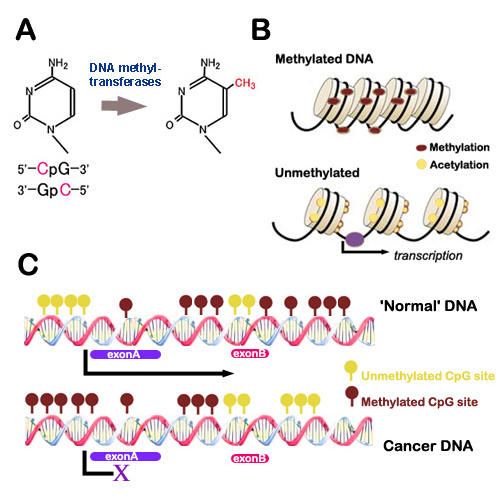
Researchers have discovered two enzymes that, when combined, can participate in the earliest stages of cancer.

The bizarre chamber with the human hand poking out looks funny but promises to help repel testicular cancer - a form of cancer that attacks young men.
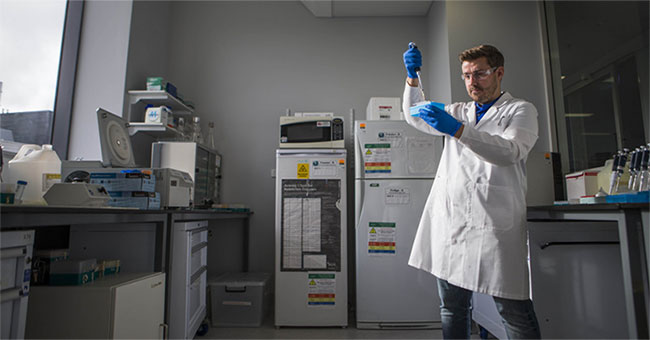
This device helps detect early infectious diseases such as malaria, has the ability to save millions of lives and minimize the impact of disease in areas prone to infect…
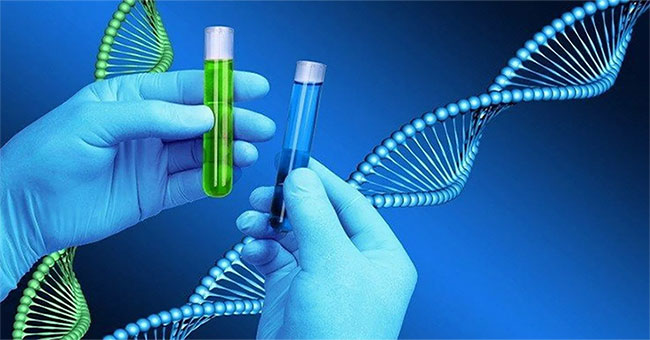
A Finnish research group found signs in the gene that could reflect the risk of sudden death from heart attack and stroke in a person very clearly 10 years later.
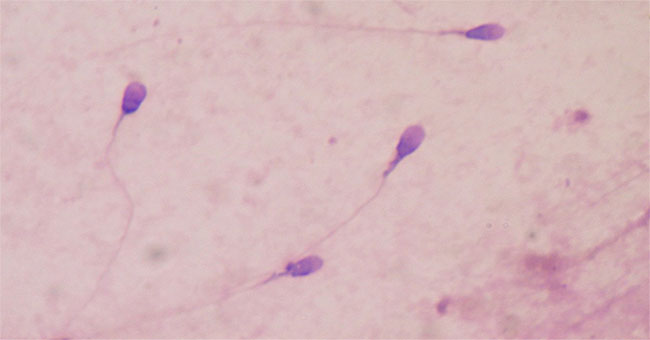
Researchers at the University of Toledo found that male sperm provides two centrosomes during fertilization and although they have the same function, they are structured…

According to researchers at the Icahn School of Medicine (Mount Sinai, New York, USA), autism spectrum disorders record biomarkers on humans through metal metabolism in…

This information raises concerns about the risk of disease outbreaks that threaten the health of humans and animals.
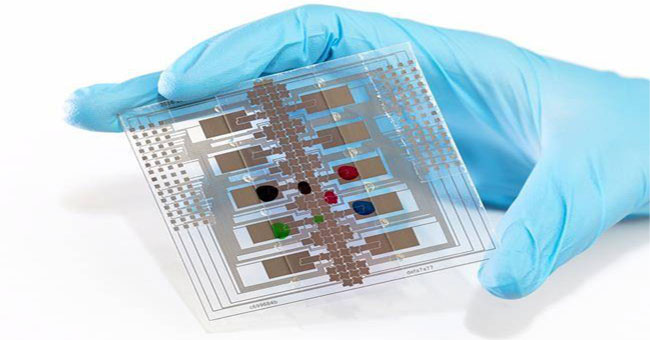
This cheap and compact device can help warn the risk of infectious diseases like measles, a disease that kills tens of thousands of people every year.
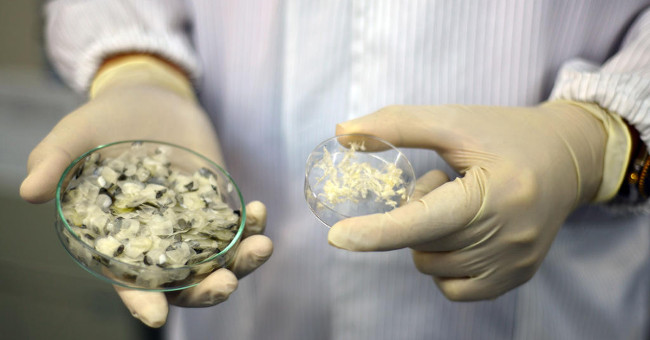
The study was conducted on scales of commonly used fish such as sea bass, tuna and tilapia.

Fingerprints - which are used to break sentences, can help detect risk factors before symptoms appear.

Many studies have shown the harmful effects of eating potato chips - can create unhealthy things, especially for those who are overweight and obese ...
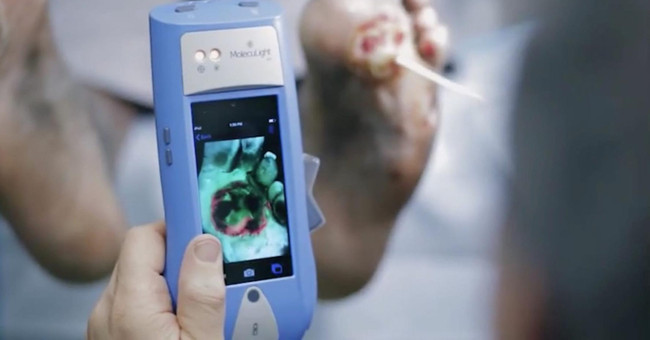
One of the real problems with harmful bacteria is that we cannot see them with the naked eye.
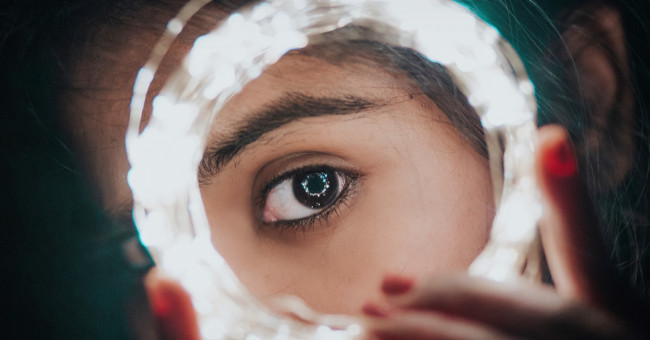
The detection of melanopsin pigment in retinal cells plays a role in controlling the circadian rhythm as well as sending information to the visual cortex.
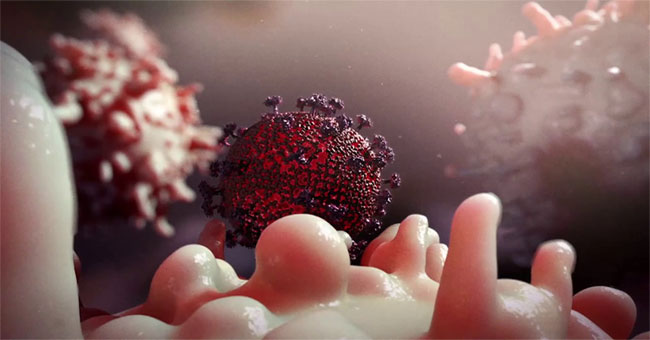
On October 17, scientists at Scripps Research Institute in Florida, USA, said they found a new HIV drug called didehydro-Cortistatin A (dCA).