
ArcheologyHarvard researchers have found the phenomenon that killed 86% of Earth's creatures and created the fearsome dinosaurs, pterosaurs, scorpions... to take its place. That's…
August 22, 2022
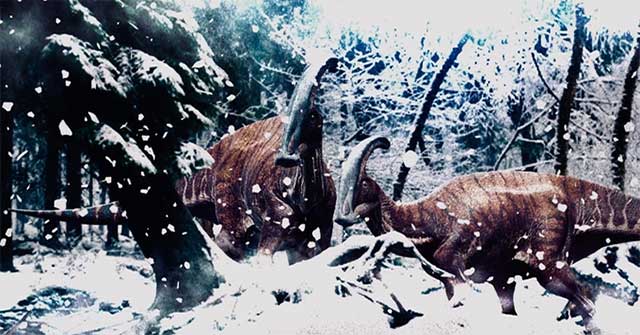
ArcheologyDinosaurs were able to take over the planet and dominate all species thanks to this special ability that gave them an advantage.
July 9, 2022
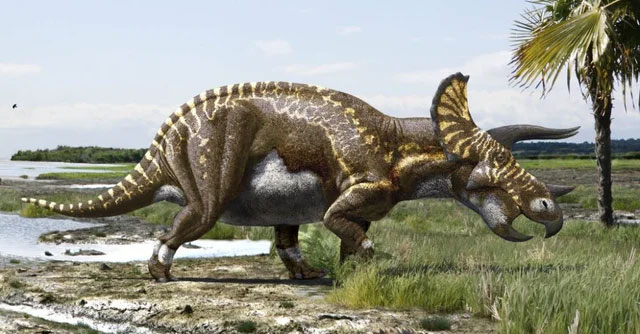
ArcheologyIn a new paper in the journal Nature, scientists reveal a new way to study the metabolic rate of dinosaurs using clues in their bones.
June 1, 2022
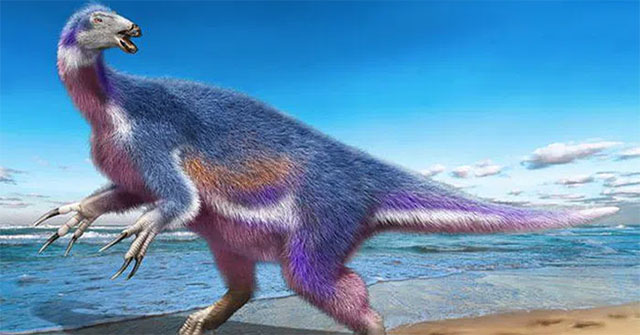
ArcheologyThe image of a monster with 5-color fur quite flamboyant has just been published by the Hokkaido University Museum - Japan.
May 25, 2022
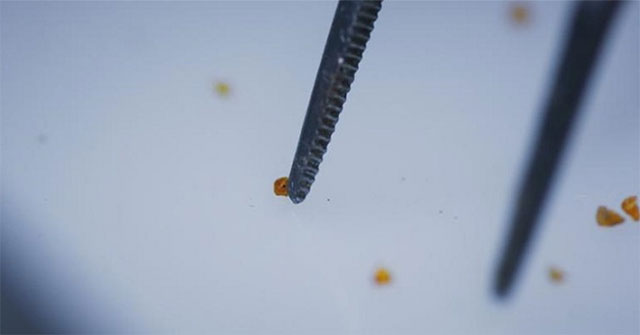
ArcheologyA tiny fragment of an asteroid that hit Earth 66 million years ago may be in the amber at the Tanis fossil site in the Hell Creek Formation in North Dakota.
May 16, 2022
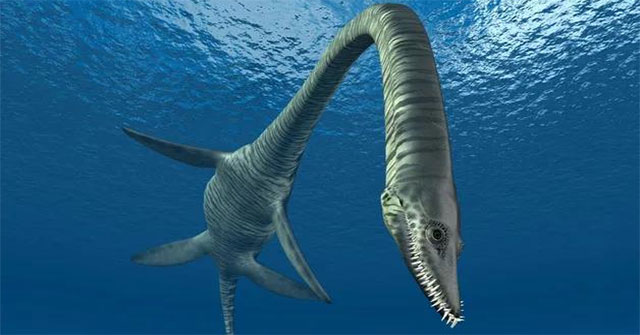
ArcheologyNew research shows that it is the unbelievable monstrous characteristics of fossilized snakehead skeletons that have helped it become the haunt of an ocean of monsters t…
May 7, 2022

ArcheologyNew research reveals that ancient flying reptiles - pterosaurs - had feathers and could manipulate their feather color to attract mates or stay cool.
May 3, 2022
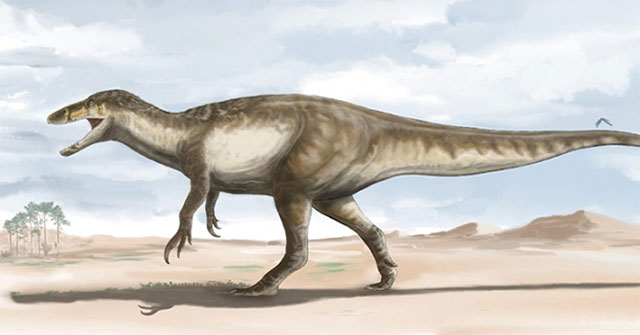
ArcheologyA 70-million-year-old fossil unearthed in southern Argentina reveals previously unknown giant predatory dinosaurs.
April 29, 2022
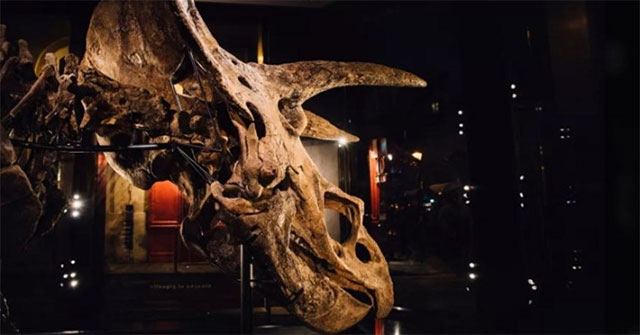
ArcheologyThe fierce battle with the opponent caused Big John, the largest 3-horned dinosaur specimen ever found, to have a keyhole-shaped puncture in the frill.
April 14, 2022
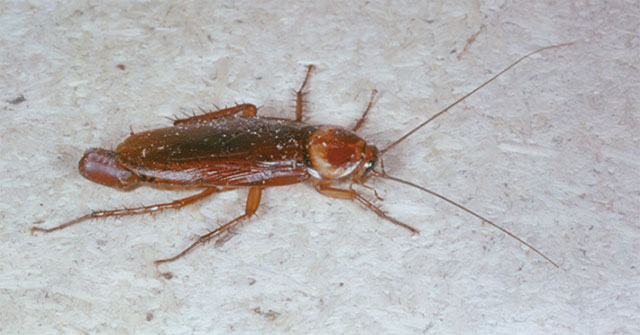
BiologyThanks to their special body structure and diverse food, cockroaches have survived many disasters and harsh conditions that have brought other creatures to extinction.
April 6, 2022
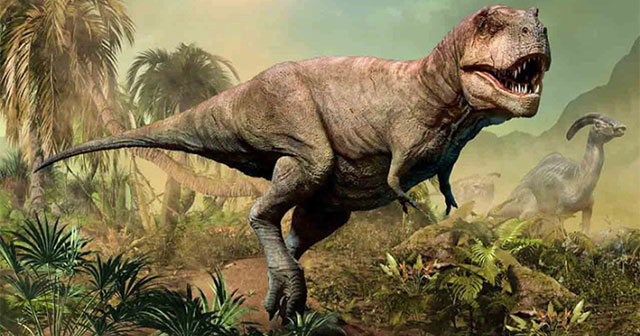
BiologyNew research suggests that the T-rex's short arms were an evolutionary way to reduce their risk of injury when hunting.
April 6, 2022
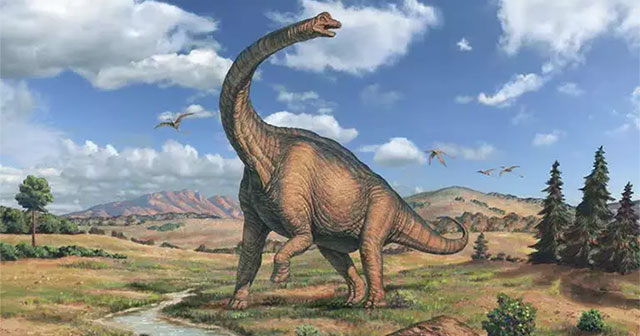
BiologyBrachiosaurus is one of the tallest and largest dinosaurs yet found. It has a long neck, small head, and relatively short, thick tail.
March 23, 2022

ArcheologyThe 67-million-year-old triceratops specimen from Montana astounds researchers with 266 bone fragments preserved to date.
March 23, 2022

ArcheologyFossils in Yunnan, China reveal a never-before-seen armored dinosaur that lived 179 - 192 million years ago.
March 18, 2022
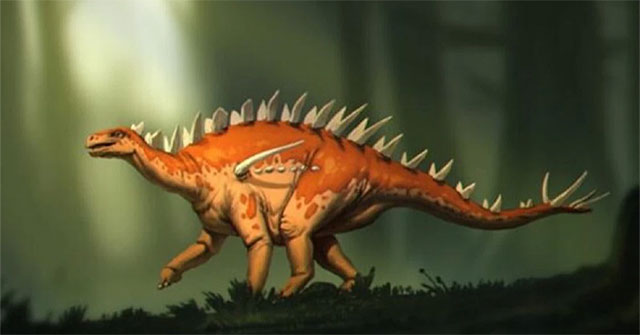
ArcheologyChinese and British paleontologists have identified a new species of dinosaur from the genus Stegosaur in China.
March 11, 2022