Archeology
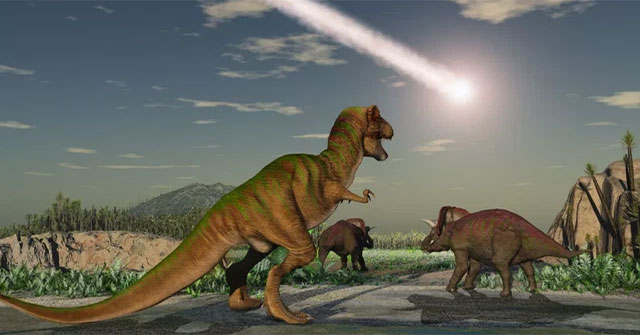
Ironically, the Chicxulub meteorite that destroyed the dinosaurs fell to Earth in the spring
But come to think of it, it was the stone that fell from the sky that opened a new chapter for mammals. Spring is still the season of life.
Browse ScienceInfo articles and explainers related to Dinosaurs.
626 published items.
But come to think of it, it was the stone that fell from the sky that opened a new chapter for mammals. Spring is still the season of life.
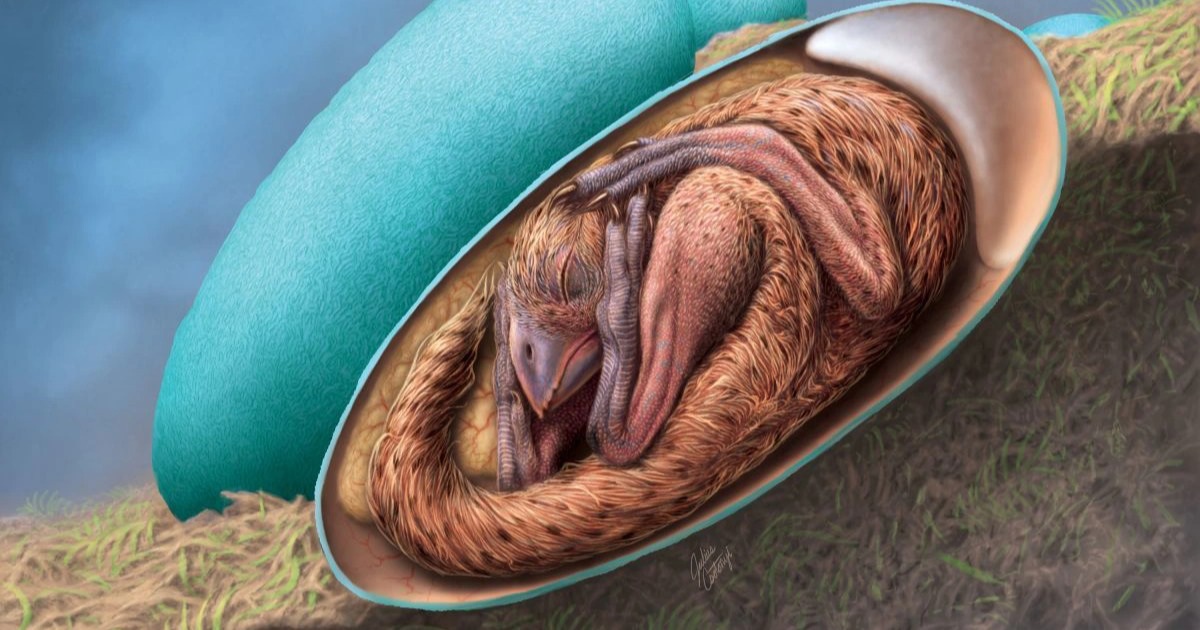
The shocking discovery of a perfectly preserved baby dinosaur embryo, curled inside an egg.
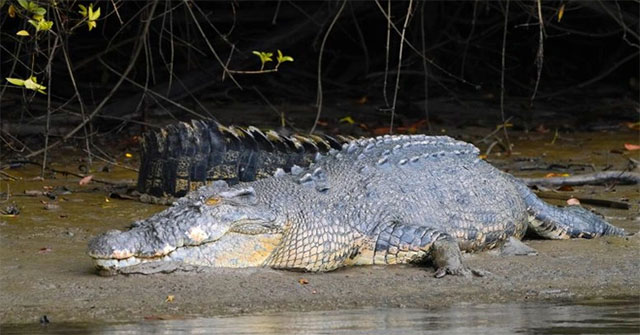
The reason comes from the amazing ability of crocodiles to adapt and fast.
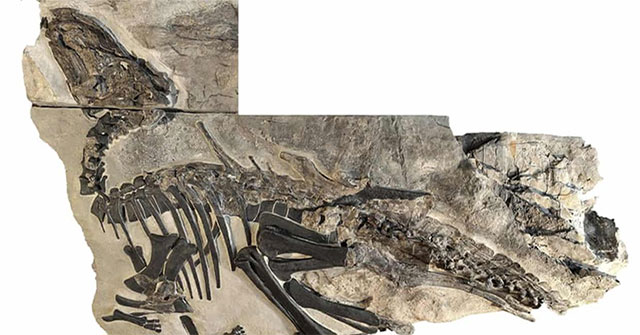
For the first time in Italy, fossils of 11 dinosaurs have been unearthed, including the largest and most complete dinosaur skeleton ever found in the 'boot-shaped countr…
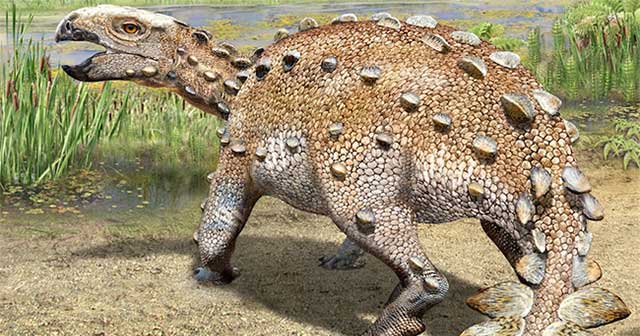
The fossil of a new 'armored' dinosaur discovered in Chile is surprising scientists because it has a tail unlike any other dinosaur.
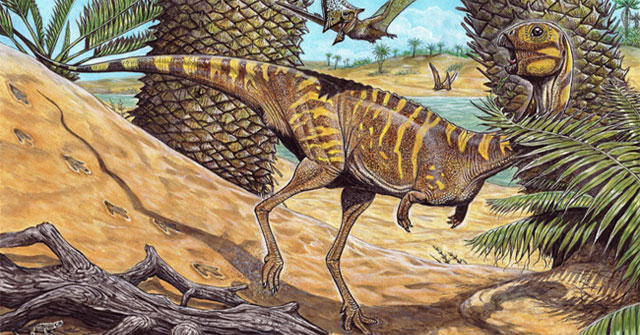
Brazilian paleontologists have found a 70-80 million-year-old skeleton of a previously unknown carnivorous dinosaur.
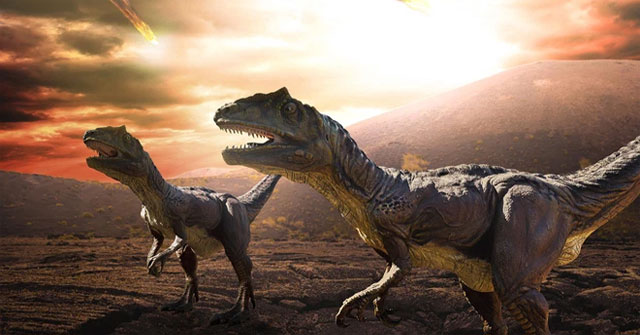
The meteorite does not spare any species, but the birds have found a way to live for themselves.
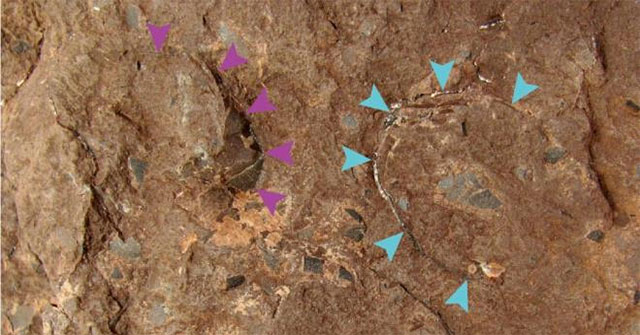
The fossil egg weighs only about 10 grams, which belongs to a small pedicellated dinosaur that lived 100 million years ago.
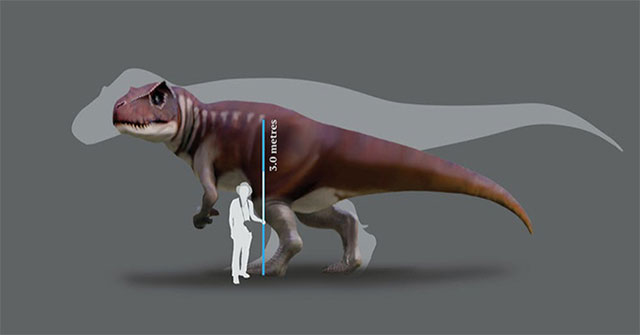
Fossil footprints more than 150 million years old in Australia reveal a carnivorous dinosaur about the size of a T-rex tyrant.
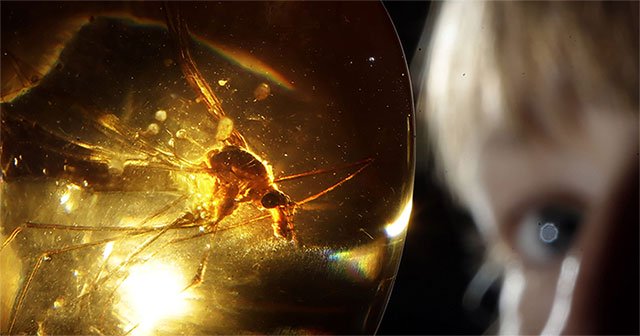
Release genetically modified mosquitoes into the wild to reduce the number of mosquito bites in Florida, USA, but many scientists fear will become experiments such as 'J…
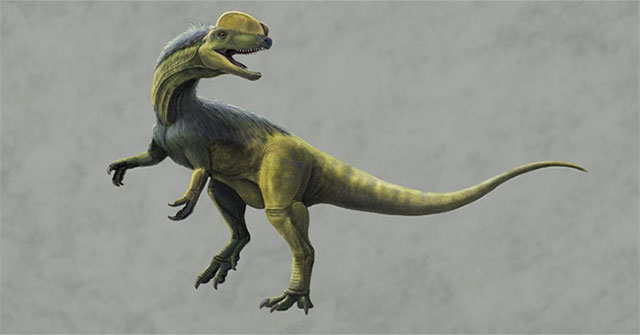
Chicken footprint-like fossils, discovered in 2019 in a forest in Chongqing City, southwest China, have been identified as dinosaur footprints.
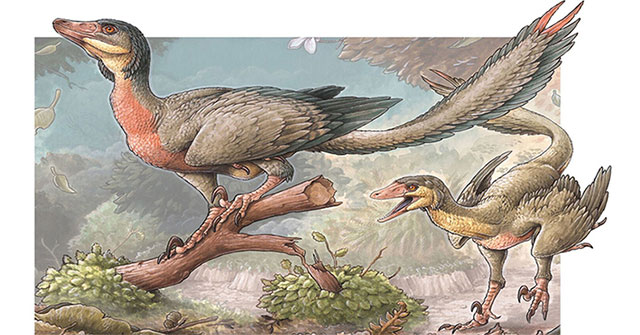
The 90 million-year-old fossil in Río Negro province, Argentina revealed a species of bird-eating dinosaur that is only 1.5 meters long.
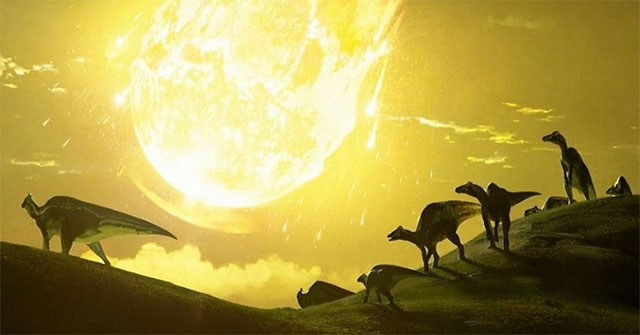
The meteorite caused the extinct dinosaur to crash to Earth 66 million years ago from the northeast at its steepest angle, maximizing the release of climate change gas.
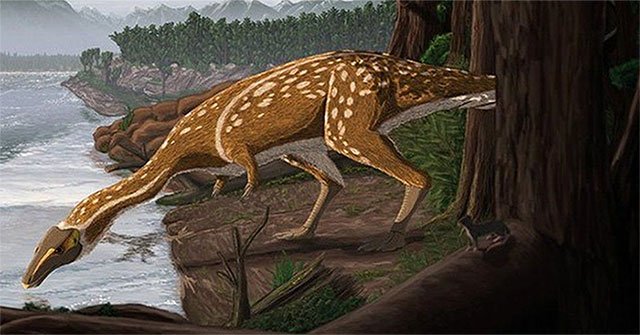
In Victoria, Australia, archaeologists discovered fossils of a long-necked dinosaur, thought to evolve into a plant-eating species from their predatory ancestors.
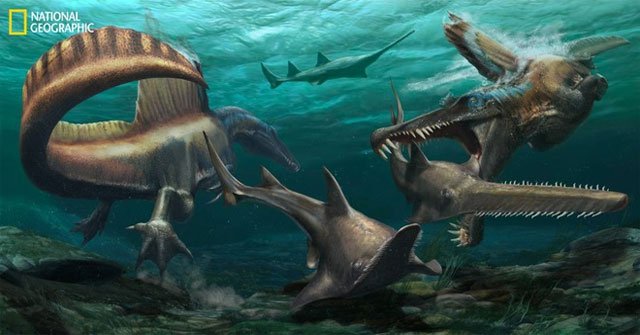
After a long-standing question was answered, scientists confirmed that the first known human dinosaur could live underwater.