Medicine - Health
The first complete map of human gene activity
Nearly a decade since the human genome was decoded, scientists published the first complete map of how genes work in different cells and tissues.
Browse ScienceInfo articles and explainers related to Disease.
4,796 published items.
Nearly a decade since the human genome was decoded, scientists published the first complete map of how genes work in different cells and tissues.
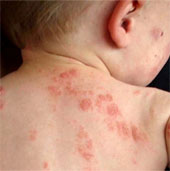
Cold weather, stress, wearing wool, exposure to detergents, soaps, lotions, sweating and pollen ... can cause your skin to become eczema.

Instead of eating chocolate every day, scientists have created a vitamin that contains anti-cardiovascular substances in cocoa beans.
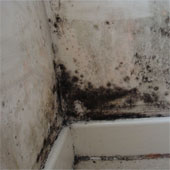
Fungal spores can cause respiratory infections leading to cough, respiratory infections, shortness of breath, fatigue, sinusitis, bronchitis, allergies ...

Mushrooms are not only nutritious and low in calories but they also contribute to the prevention of cancer caused by HPV in women.
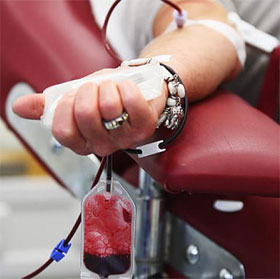
You will save 3 people with every donation. And blood donation is so great that it is not only beneficial for the recipient but also for the donor.

A 4-year-old girl lives in Lanarkshire (Scotland) county with autism and rare disorders, making her have a hobby of eating fabrics.

A young girl in England had a rare disease that caused her hair to grow unusually fast and long, like Rapunzel in Disney's famous animated film.
German scientists at Bochum University discovered a mechanism to control the elasticity of Titin protein, deciding on the hardening of the heart muscle.
The treatment of diseases that can cause blindness by injecting drugs directly into the eyeball (which is expensive and uncomfortable for patients) is about to be replac…
From diabetes, bladder infections to liver failure, schizophrenia ... can be diagnosed by smelling.
Vitamin E and beta-carotene precursors are not able to prevent cardiovascular diseases as well as cancer.
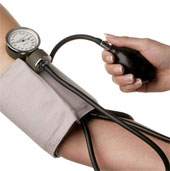
Both blood pressure hand tests, instead of just one hand, can help doctors detect early heart disease
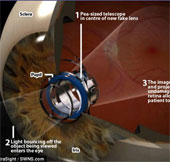
A British grandmother saw her husband's face for the first time after 15 years thanks to a tiny telescope implanted in her eyes.

This new device can be used continuously. Users need to wear it on their arms, like a watch to make sure they fit into the artery.