Space science
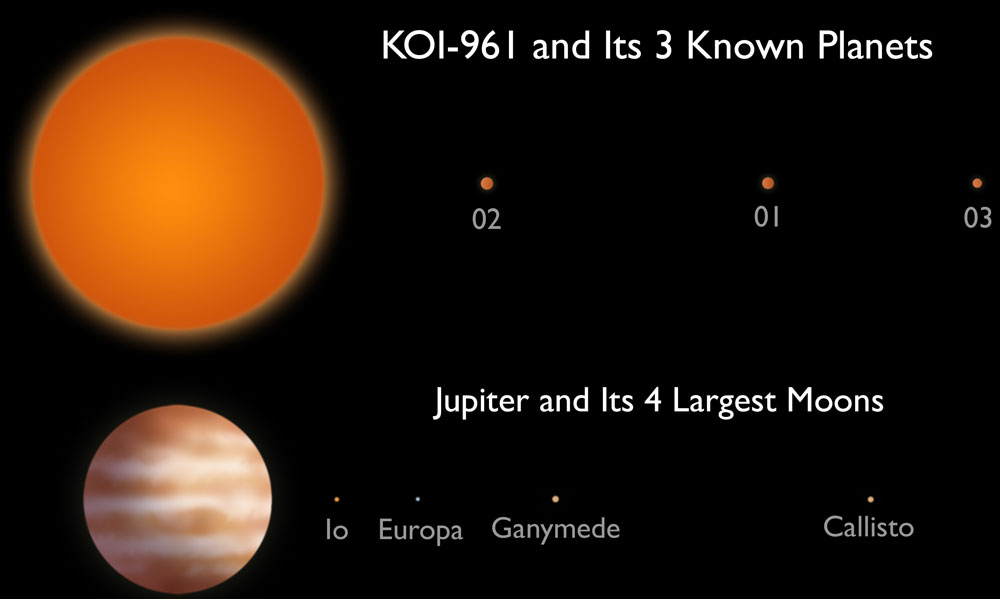
NASA has discovered 3 planets smaller than Earth
Thanks to data from NASA's Kepler telescope, astronomers have discovered three planets smaller than Earth, orbiting a star much smaller than our Sun.
Browse ScienceInfo articles and explainers related to Dwarf.
396 published items.
Thanks to data from NASA's Kepler telescope, astronomers have discovered three planets smaller than Earth, orbiting a star much smaller than our Sun.
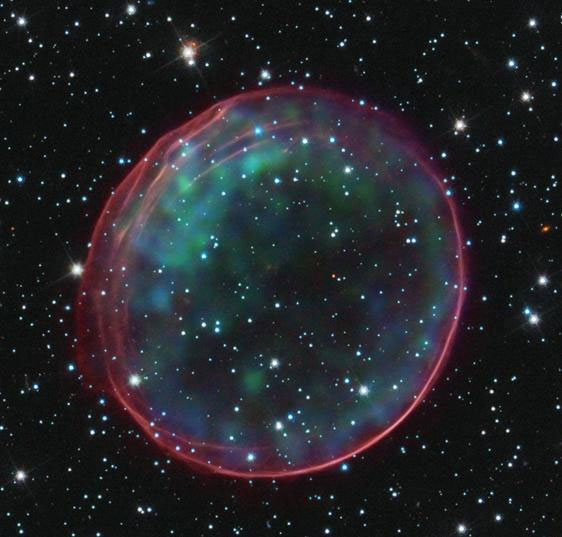
With the Hubble Space Telescope, astronomers have lifted the long-standing mysterious veil of a star form, or its predecessor, to cause a supernova explosion in a galaxy…
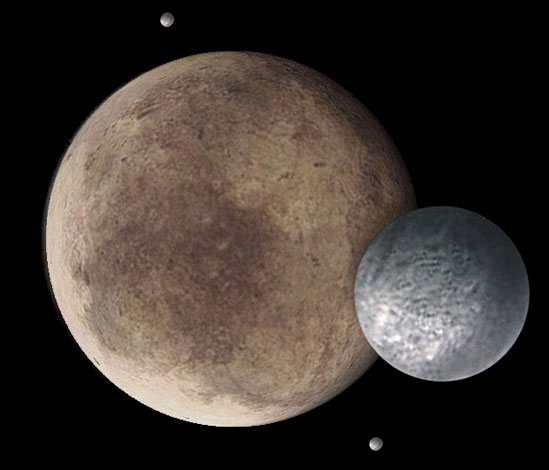
Pluto is so far away from the earth that things people know about it only count on the fingertips.
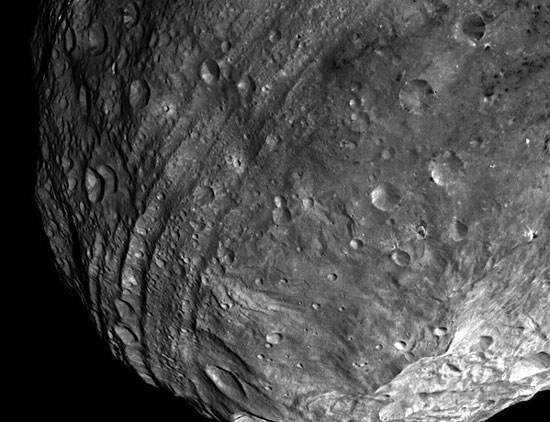
The first images of the asteroid vesta sent from the space probe Dawn were announced by the US Aviation Agency (NASA) on August 1.
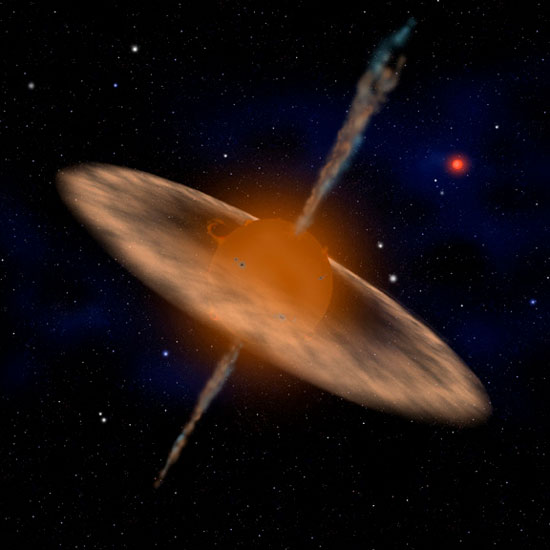
An international team of scientists, has discovered the phenomenon of bipolar carbon monoxide release from a very low-mass young MHO 5 star, in the Taurus star-forming r…
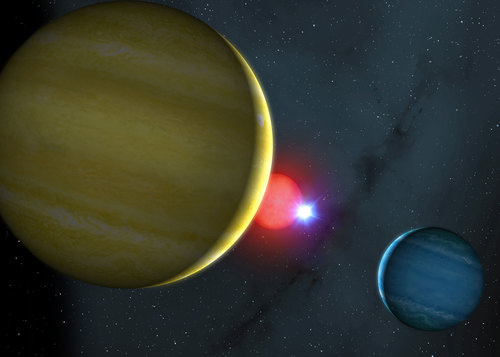
The special twin is named NN Serpentis, nearly 1,700 light-years from Earth, created by red dwarfs and white dwarfs.
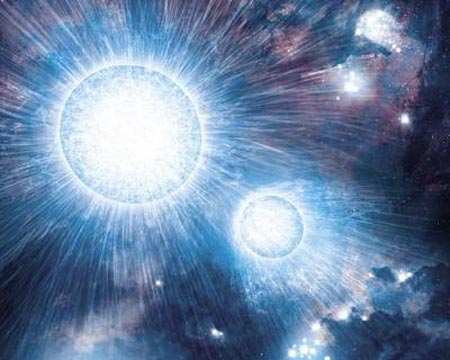
Astronomers have found a pair of white dwarfs that take only 5.4 minutes to rotate around one another. This is the fastest pair of twirling stars that scientists have ev…

On March 11, American paleontologists introduced a new hypothesis about the mass extinction cycle of life on Earth.

A series of new photos sent back to Earth by the Hubble Space Telescope showed the color of Pluto changing and the ice blocks on its surface moving.

The European Space Agency's (ESA) XMM-Newton telescope has obtained the first close-up image of a white dwarf moving around its twin star ...
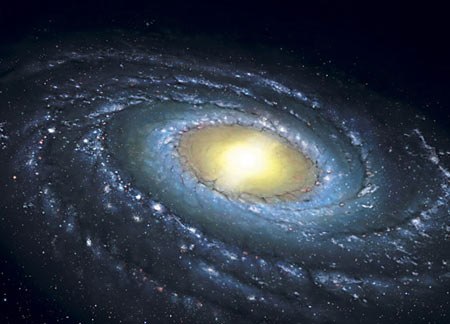
Some small galaxies have collided with the Milky Way. Similar clashes still occur in the future, but they cannot destroy the Milky Way as predicted by many scientists.
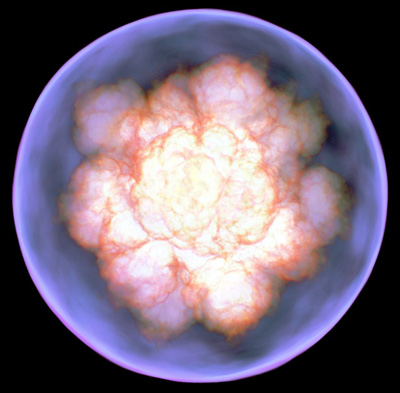
Star explosions known as type 1a supernovae have long been used as a standard candle, their constant brightness is a way for astronomers to measure cosmic distances. and…
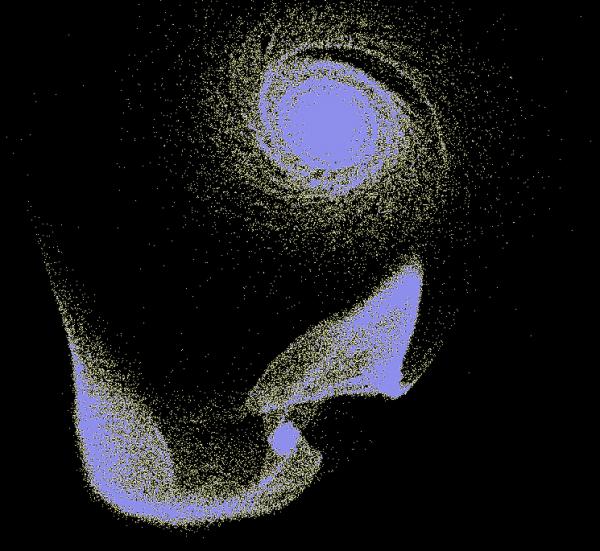
The new study, published July 30 in Nature, explains the origin of spherical dwarf galaxies.
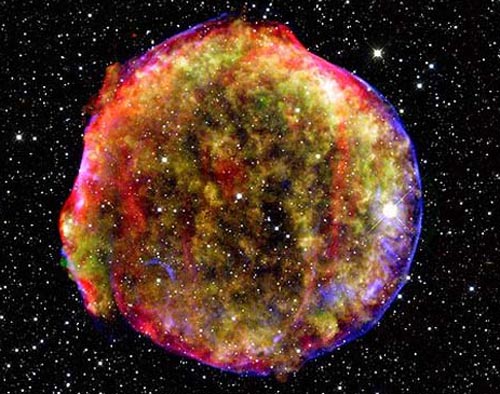
Physicists working at Argonne National Laboratory (USA) use supercomputers to build a model of the demise of big stars.
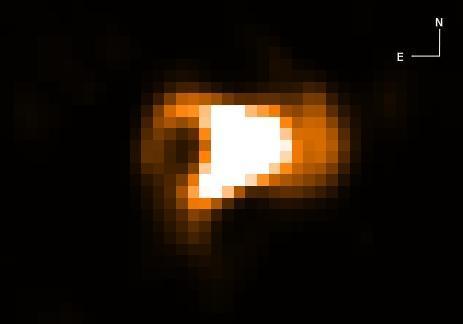
The Hubble Space Telescope (NASA / ESA) recently captured the first optical images of a shocking stellar explosion, and discovered a rapid peanut-shaped balloon bulging…