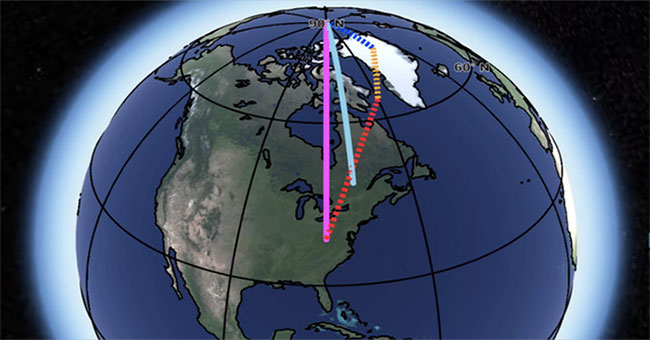
Discover scienceWhen viewed from a distance, the Earth seems to be a perfect sphere but it is not so. The Earth is uneven on all sides because of the mass of rock and soil moving and ch…
December 18, 2018

Discover scienceAt this rate, the Earth will soon be annihilated before we find a planet that can harbor us.
December 18, 2018

Discover scienceTalk a lot but still have to remind you, it is the world - more precisely, our understanding of the world - always changing.
December 18, 2018
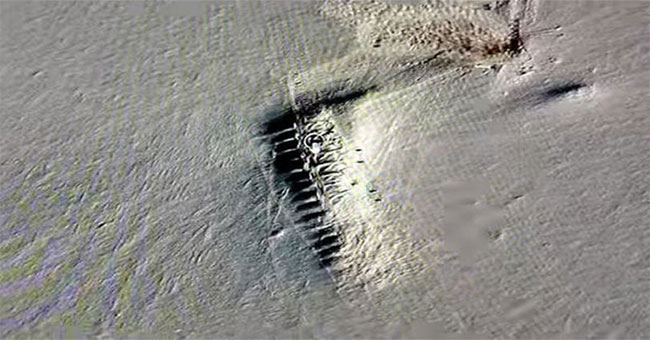
Discover scienceThe cold area in Antarctica has become the focus of strange discoveries over the years.
December 18, 2018

Discover scienceSo if in the future, when the Earth is submerged in sea water, we don't need to be too worried.
December 18, 2018
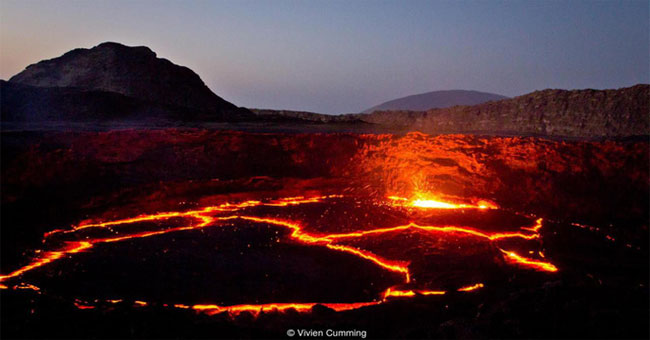
Discover scienceDanakil depression in Ethiopia has one of the harshest climates on Earth. But even here, life still has a way of survival.
December 18, 2018
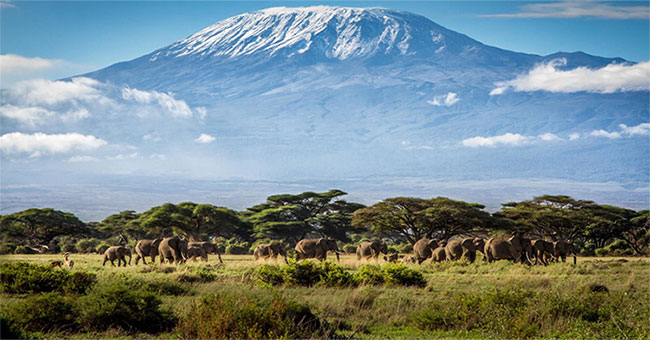
Discover scienceMany wonderful destinations are threatened by human destruction and climate change, which is in danger of disappearing forever.
December 18, 2018
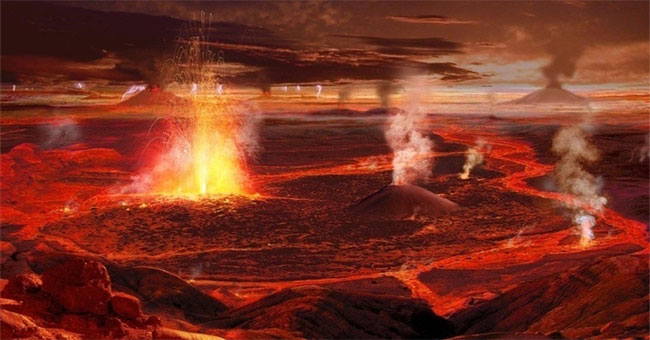
Discover scienceIt happened about 250 million years ago, even before the eruption of the dinosaurs and volcanoes that destroyed the Earth's ozone layer, almost completely eradicated lif…
December 18, 2018
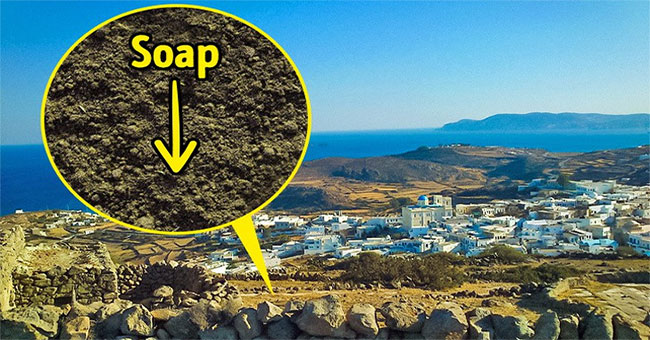
Discover scienceOver thousands of years, we still cannot understand all about the Green planet. The simple reason is because over time, everything changes.
December 18, 2018
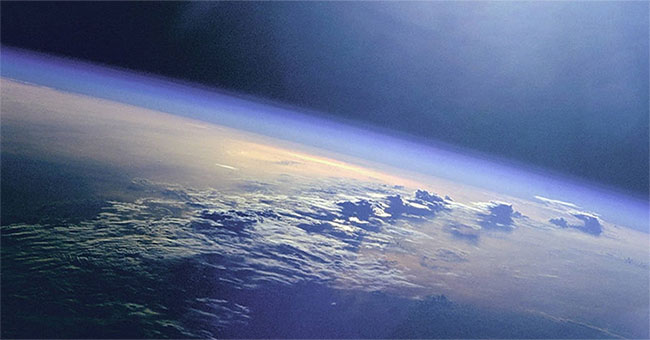
Discover scienceAbout 3.9 billion years ago - right after the Earth was attacked by Theia and while it still faced a series of meteors - the ancestors of all living creatures were born.
December 18, 2018
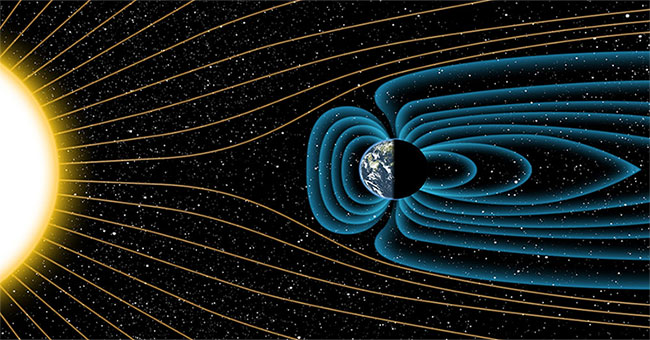
Discover scienceThe earth has no life if we don't have one
December 18, 2018
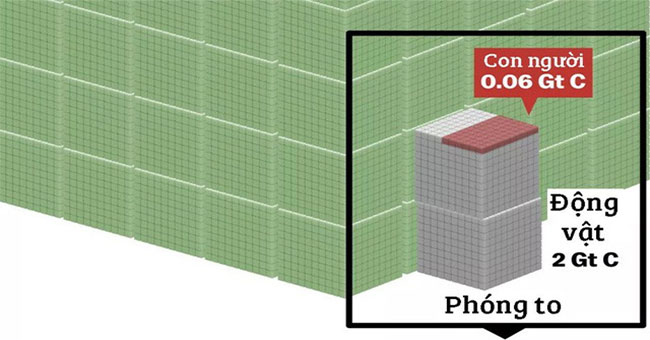
Discover scienceCompared to before the human appearance, the amount of wild mammals on the mainland is only 1/7, the sea is only 1/5.
December 18, 2018
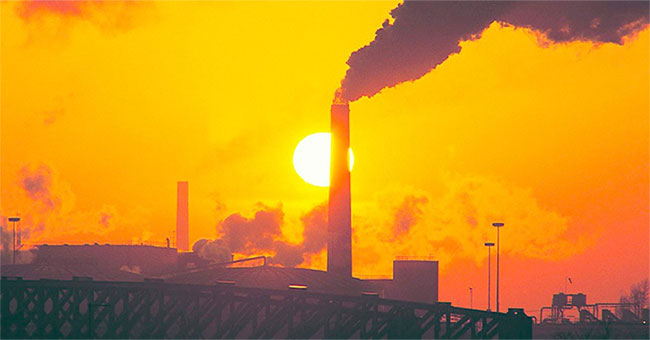
Discover scienceThere's no denying that our lives will be a lot easier if we somehow predict the future.
December 18, 2018
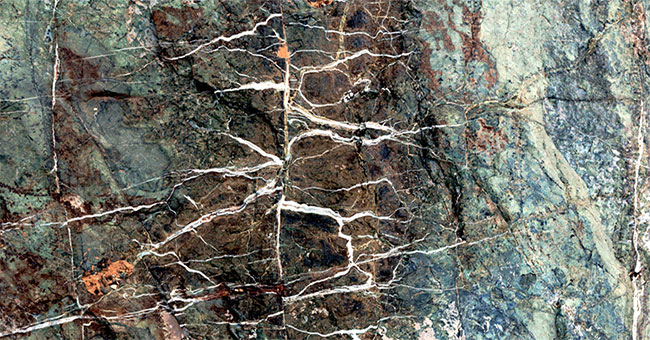
Discover scienceAn extremely popular stone on the East and West coasts called Peridotite may be the savior of humanity in the future, when the Earth is getting hotter due to CO2 causing…
December 18, 2018
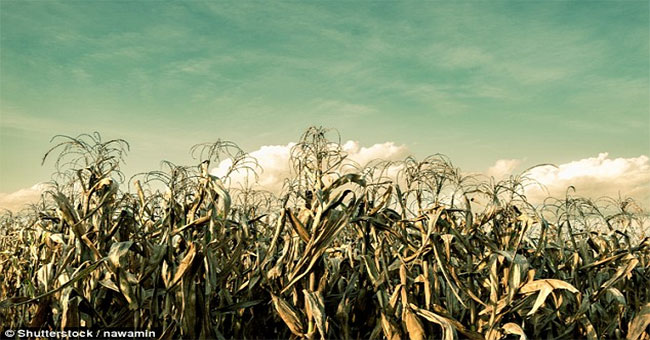
Discover scienceAccording to the Daily Mail, the current leading hypothesis is the ability to shoot sulphate particles sprayed into the atmosphere to block the sun, reducing the Earth's…
December 18, 2018