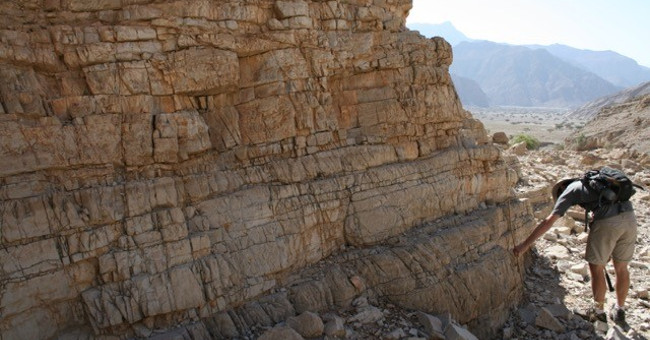
ArcheologyIn the past 252 million years, the Permian-Triassic extinction event has swept up 96% of marine life and more than 70% of terrestrial vertebrates, making about 83% of th…
December 17, 2018
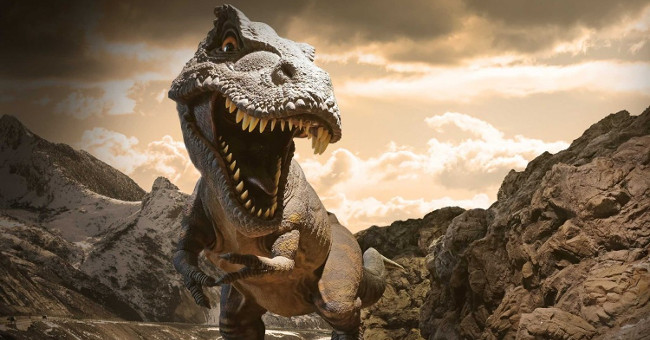
ArcheologyNew research suggests that before the dinosaurs became extinct, the mammals had developed very well.
December 17, 2018
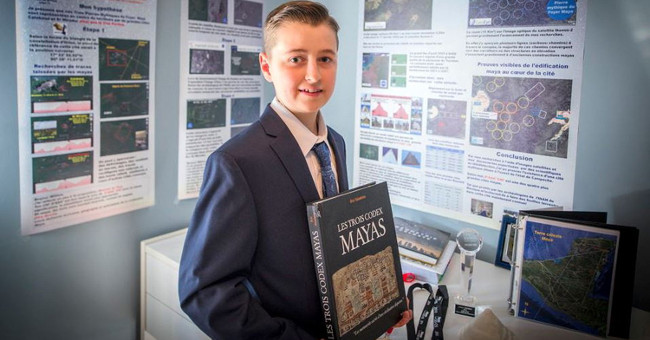
Archeology15-year-old William Gadoury in Canada became the first to discover the location of the forgotten Maya city in the Mexican jungle with satellite images and ancient astron…
December 17, 2018
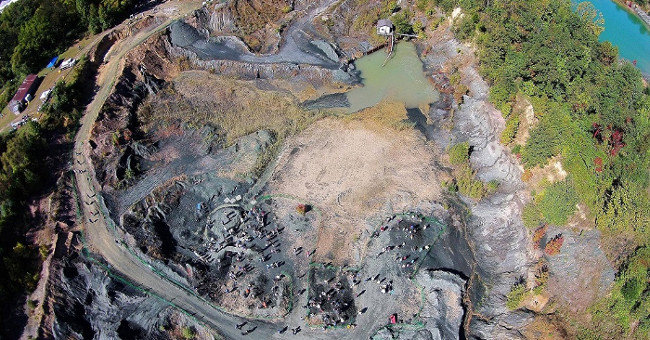
ArcheologyNewly discovered quarries contain fossils of many giant animals and reptiles that have been destroyed millions of years ago.
December 17, 2018
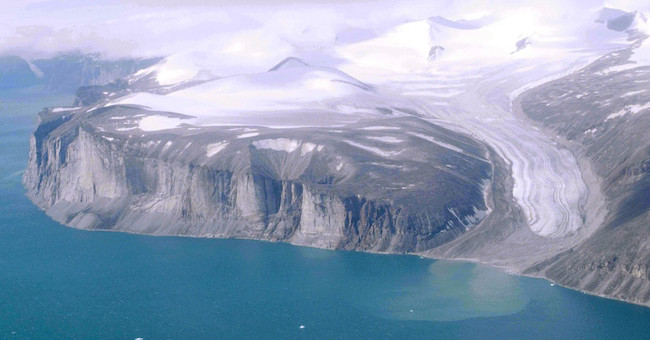
ArcheologyScientists for the first time found water molecules at the time of new Earth formation about 4.6 billion years ago under a depth of 2,900km in the ground.
December 17, 2018

ArcheologyThe fossil of this creature is helping scientists reinforce the hypothesis of life on Earth.
December 17, 2018
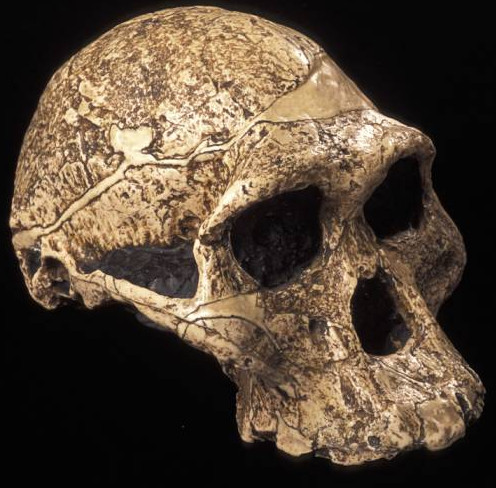
ArcheologyHumans have existed with some of the others, but so far we are the only species alive on Earth.
December 17, 2018
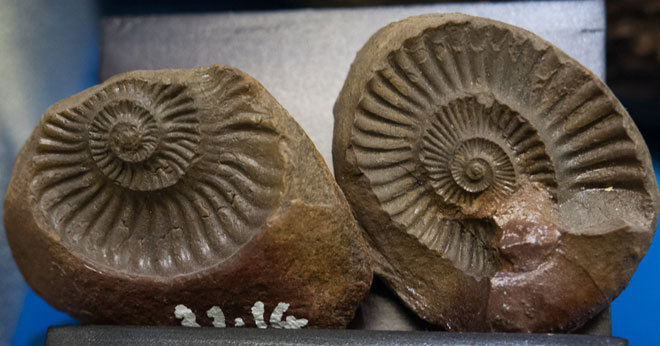
ArcheologySpecimens with thousands of years of lifespan reflect the evolutionary history of the earth's crust from early childhood. Each specimen bears its own mark on the process…
December 17, 2018
ArcheologyScientists have discovered fossils of a giant marine scorpion with a length of 1.7m in the US.
December 17, 2018
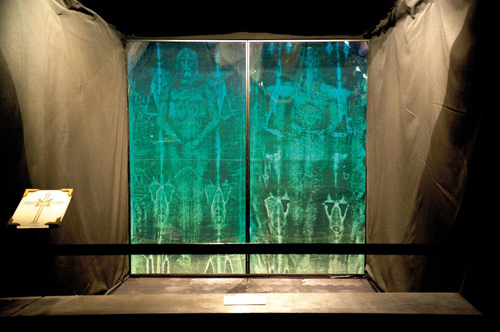
ArcheologyThe Shroud of Turin is one of the most sacred religious symbols on Earth, regarded by millions of Christians in the world as a cloth used to shroud and store the image o…
December 17, 2018
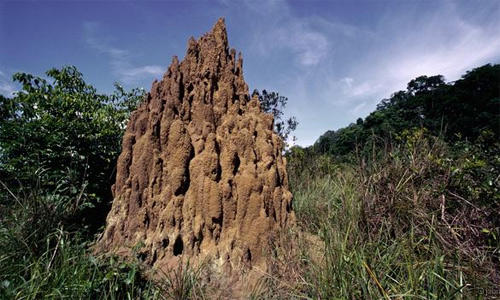
ArcheologyA giant 2,000-year-old giant termite nest discovered in Africa is the oldest termite mound on Earth and is proof that insects can live in a house for thousands of years.
December 17, 2018
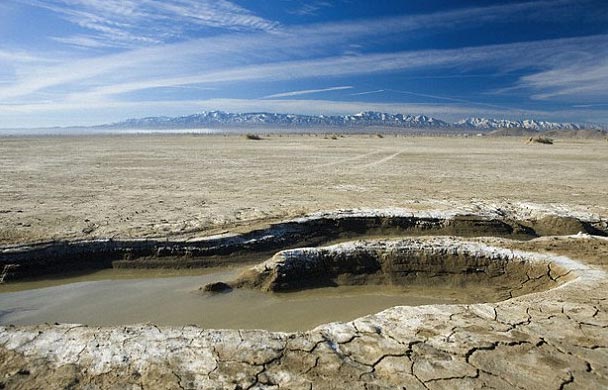
ArcheologyAlthough often considered only an obstacle for people to bypass or jump over a wet rainy day, puddles can play a much more important role in our lives. The first factor…
December 17, 2018
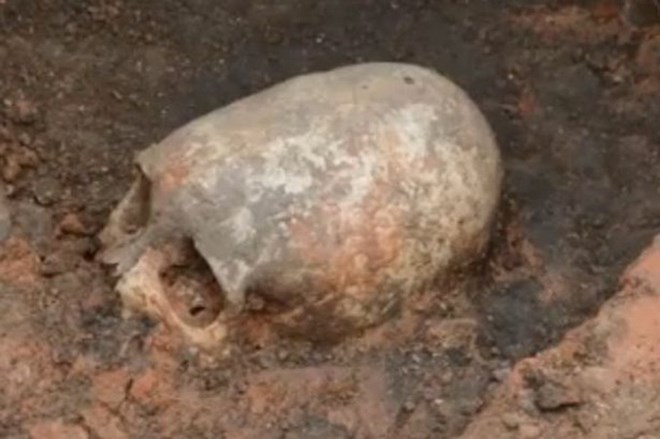
ArcheologyA skeleton has been excavated from the site dubbed Russia's Stonehenge and inspired many new ideas about aliens visiting the Earth.
December 17, 2018
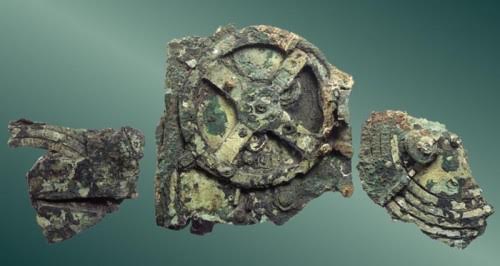
ArcheologyThe Atntikythera is like the ancient Titanic, carrying the oldest astronomical clock on Earth, and many precious treasures.
December 17, 2018
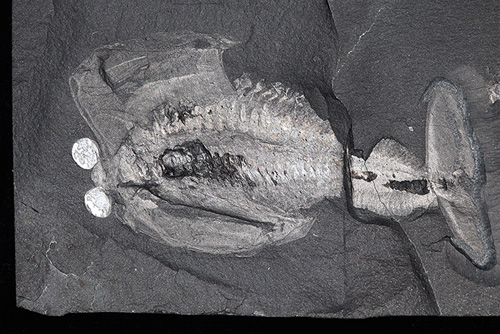
ArcheologyFossil brain 500 million years old can provide more clues about the evolution of organisms on Earth.
December 17, 2018