Space science
The culprit can cause cosmic rays to bombard the Earth
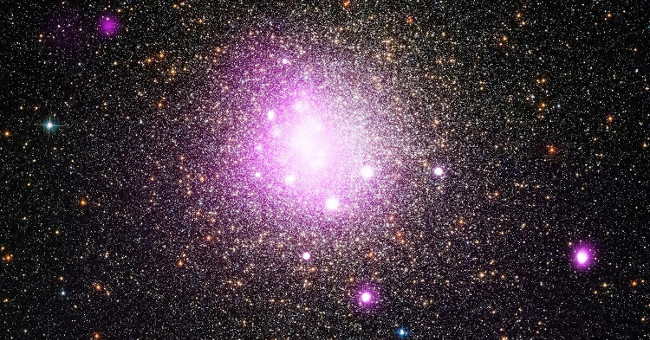
Black holes can tear up a white dwarf star, creating high-energy cosmic rays and neutrinos rushing towards Earth.
Browse ScienceInfo articles and explainers related to Earth.
6,625 published items.
Black holes can tear up a white dwarf star, creating high-energy cosmic rays and neutrinos rushing towards Earth.

In 1770, East Asia, including some countries such as Japan, South Korea, North Korea and the east coast of China, happened to have the sky dyed red for days.
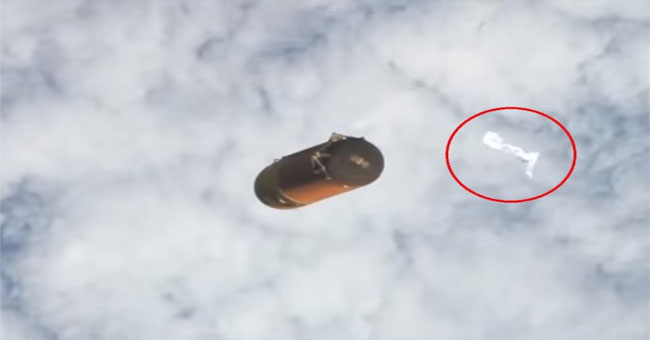
According to Mirror, UFO hunters (unidentified flying objects) have just reopened a video posted on their official YouTube by the US Aeronautics Agency (NASA) many years…

Named after a Nordic mythical city, Asgardia is open to all residents on Earth and is completely free.
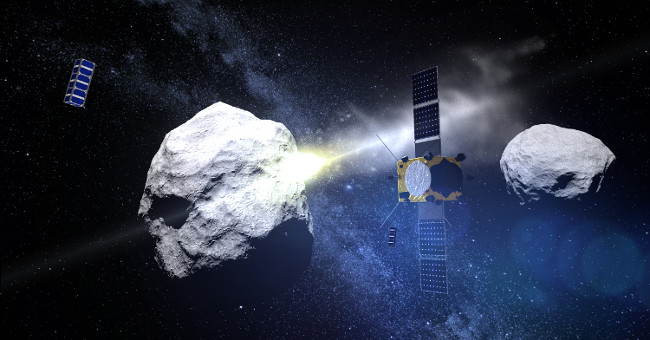
Currently, no weapon is strong enough to destroy an asteroid when detected in a short time, according to RT.
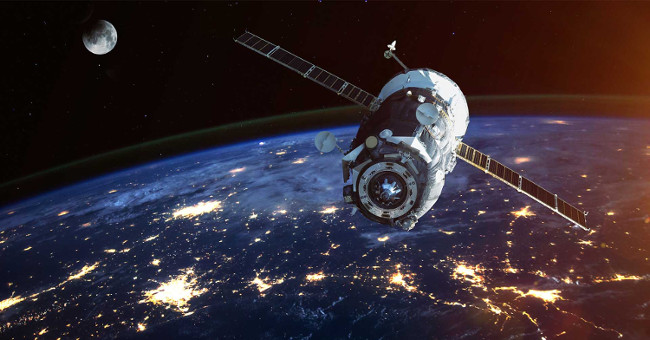
Based on detailed calculations, scientists believe that the risk of Thien Cung 1 falling down causes injury to very small people.
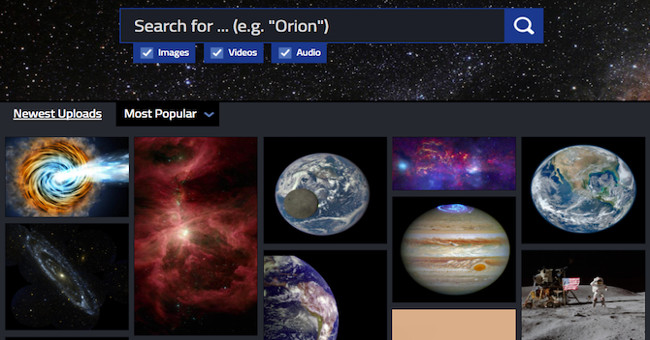
People with special interest in these scientific studies should probably not ignore the five interesting sites below as suggested by MakeUseOf.

The summer is coming, and the big planets like Jupiter and Saturn will give the sky observers the evening the wonderful scenes.
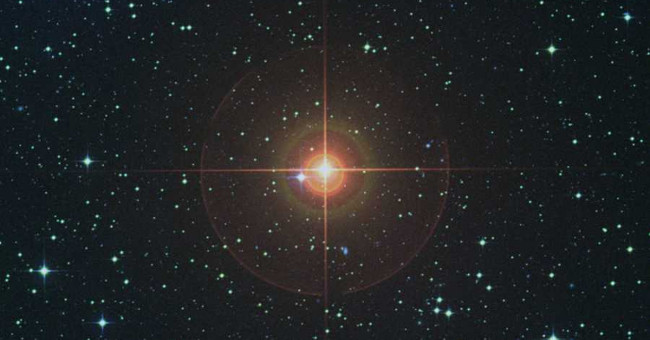
Five billion years from now, the Sun will swell and turn into a giant red star, swallowing most of the inner planets of the system.

Before the Sun was fully enlarged and turned into a giant red star swallowing the Earth, human descendants may have migrated to other planets like Neptune.
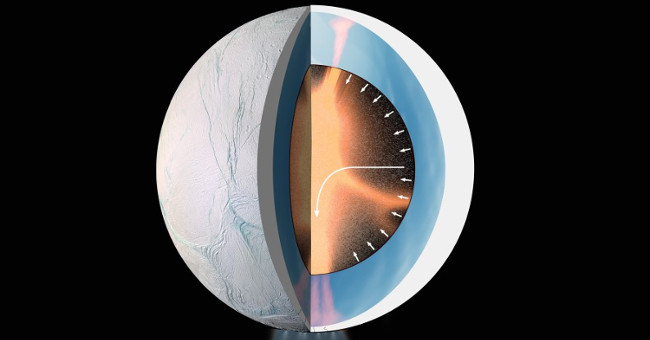
Enceladus is one of Saturn's moons whose surface is covered in thick ice and 890 million miles from our Earth.

Recently, the Southern European observatory has discovered that a planet outside the Solar System has favorable conditions for human beings to live, and they call the pl…
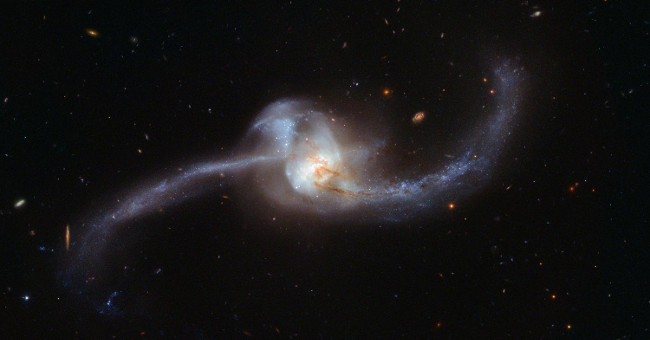
The spiral-shaped NGC 2623 galaxy helps scientists understand more about the Milky Way collision in about 4 billion years.
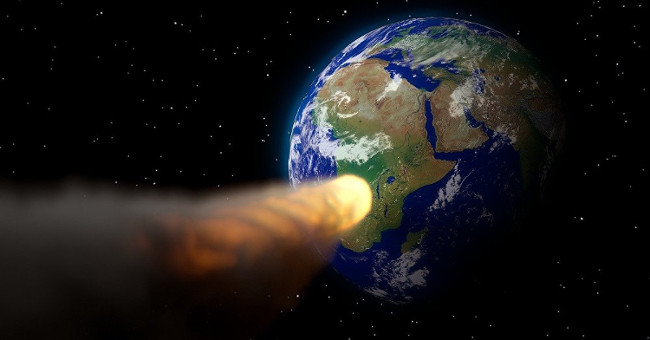
This is a relatively large meteorite with a diameter of 5 km, this asteroid will fly over the position about 10 million km from Earth.
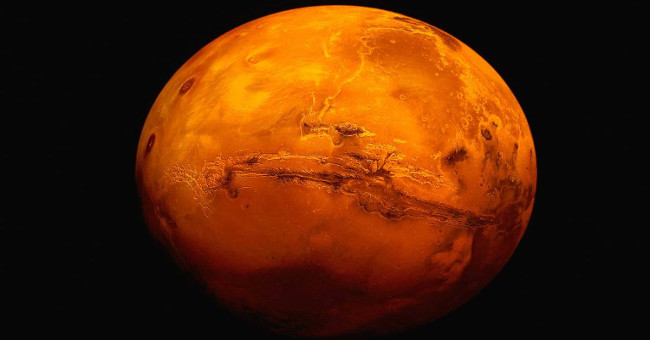
Despite bringing dozens of spacecraft to explore Mars, many mysteries in this red planet have yet to be discovered.