
Space science
The discovery of new super galaxies is 160,000 times brighter than the sun
This galaxy is the 4th largest satellite orbiting the Milky Way galaxy.
Browse ScienceInfo articles and explainers related to Earth.
6,625 published items.
This galaxy is the 4th largest satellite orbiting the Milky Way galaxy.
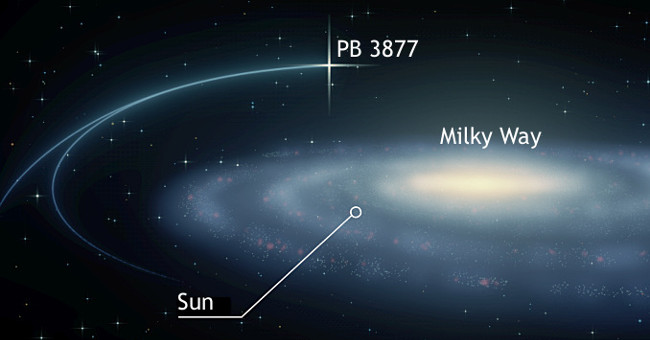
Dubbed PB3877 and located at a distance of 18,000 light-years from Earth, this binary star is not the first super-fast star to be found in our galaxy.

The US Aeronautics and Space Administration (NASA) on March 30 drew a heat map on the super-earth 55 Cancri e, showing great thermal fluctuations between the day and nig…
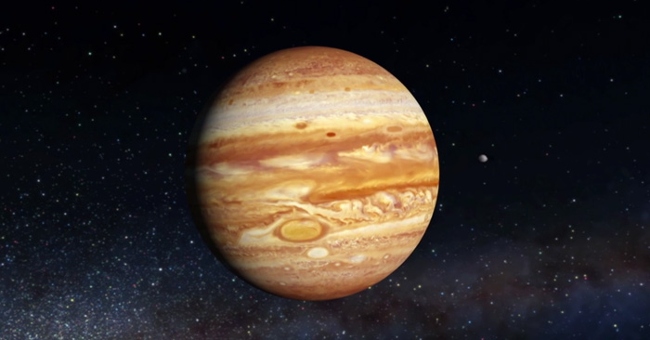
The video recorded by amateur astronomer John McKeon on March 17 was unexpected

Growing cabbage in the universe, growing mushrooms to make medicines, testing inflated housing are experiments that can help bring people to Mars by the US Aerospace Age…
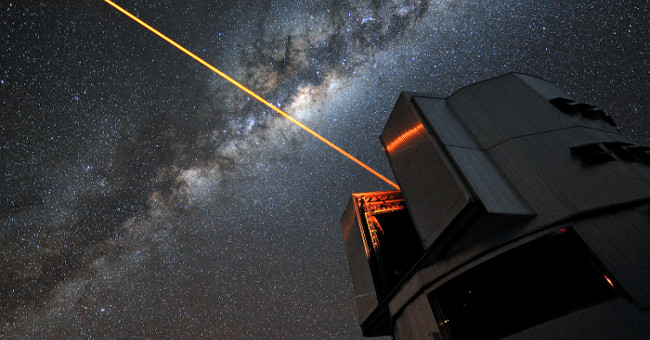
According to the BBC, some scientists are skeptical about people revealing their existence in the galaxy. They are concerned if aliens visit Earth, they may be unfriendl…
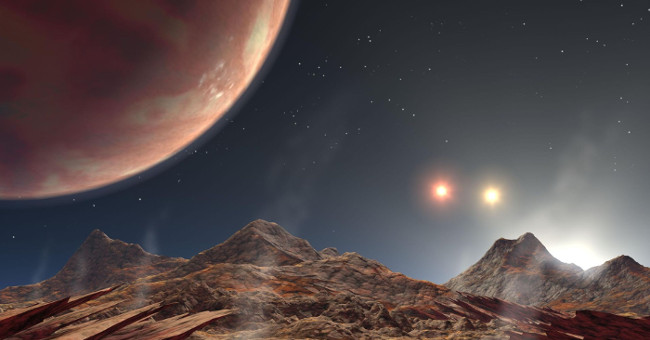
In a report published in the Journal of Astronomy on April 2, the team at the Harvard Astrophysics Center - Smithsonian, USA, described how they discovered the three-sta…
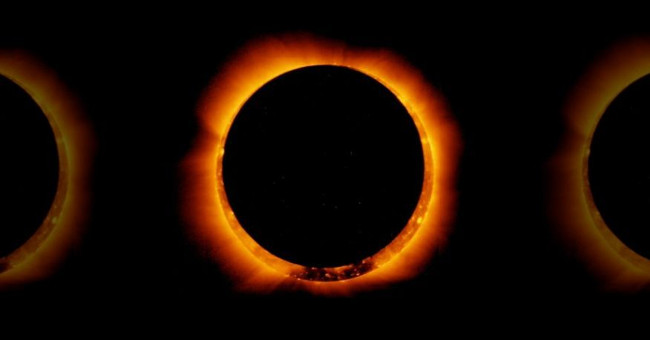
The complete disappearance of the Sun in the total eclipse is the subject for countless mystical tales in cultures.

A French astronaut said people also need to perform extra-terrestrial missions for longer periods of time before actually preparing for a flight to Mars.
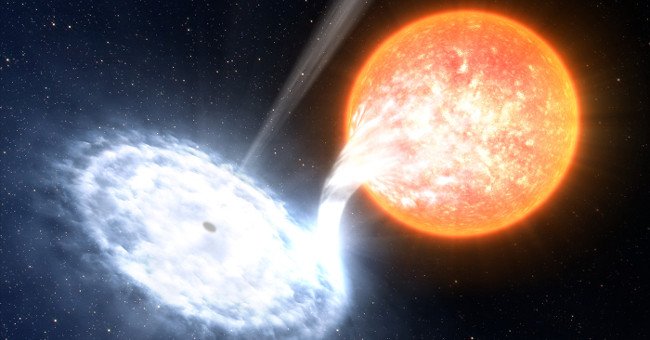
V404 Cygni, a black hole 7,800 light-years from Earth, emits bright red rays carrying the energy of 1,000 Suns during the gravitational pull from the star.
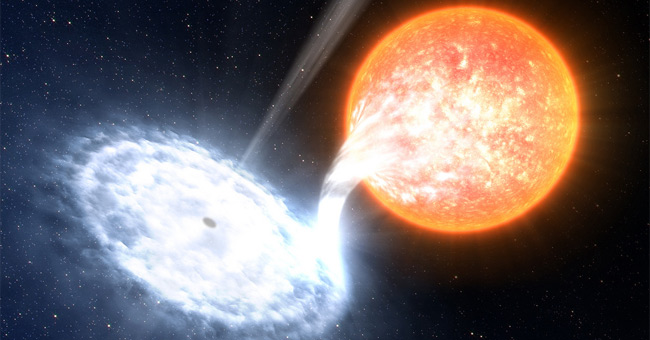
Astronomers discovered the eruption from a black hole far away from Earth to thousands of light years.
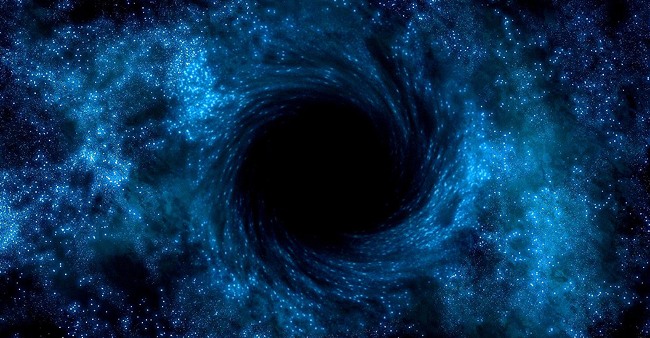
The Earth is often under the attack of high-energy particles in cosmic rays, the culprit is the supermassive black hole in the center of the Milky Way.

NASA says two comets fly across the Earth today as comets are closest to us in 250 years.

Scientists believe that using micro satellites is more efficient and economical in finding planets that have life outside of Earth.

Although the stellar explosion lasted only 20 minutes and took place 1.2 billion light-years ago, the US Aerospace Agency (NASA) successfully recorded the bright light e…