Space science
The Earth will suffer
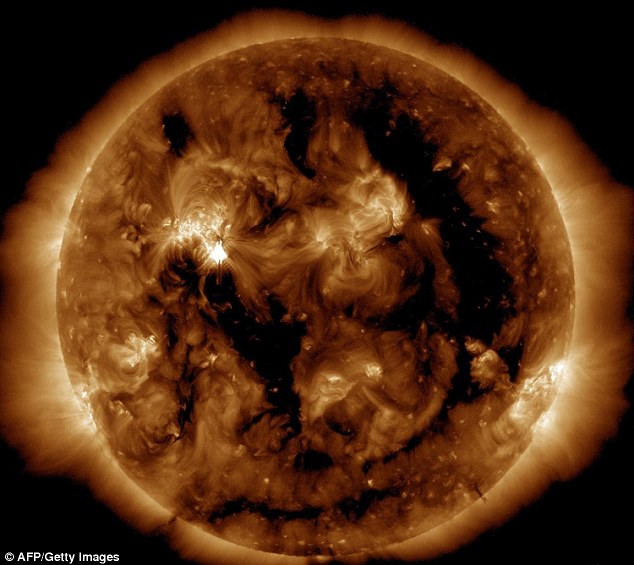
Based on the study of 84 stars, observing 29 solar flames, scientists concluded that super solar flares appear about every 350 years, which can break the grid, disable G…
Browse ScienceInfo articles and explainers related to Earth.
6,625 published items.
Based on the study of 84 stars, observing 29 solar flames, scientists concluded that super solar flares appear about every 350 years, which can break the grid, disable G…
Seven weeks after making a historic flight through Pluto, New Horizons spacecraft from the US Aerospace Agency (NASA) began to send tens of gigabit data to Earth.
The team at the California Institute of Technology (Caltech) has discovered a galaxy about 13.2 billion light-years from Earth and may be the farthest, oldest galaxy we'…
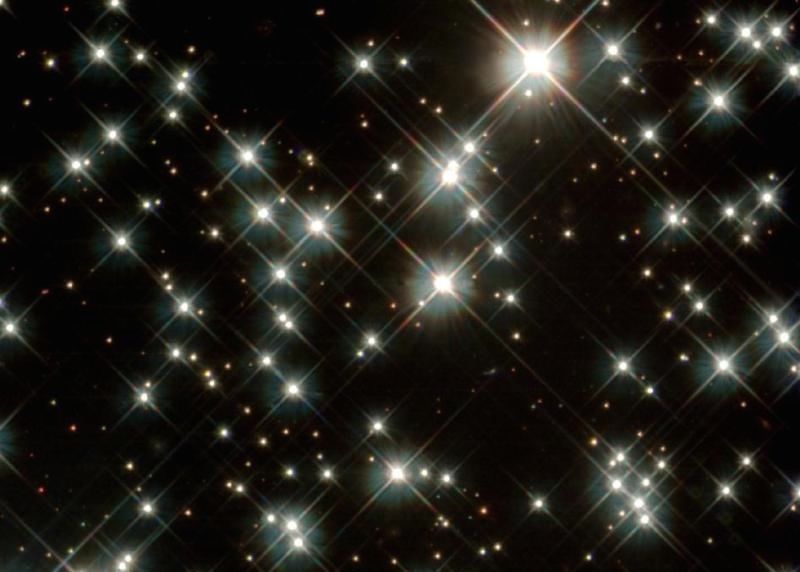
When we look up at the starry sky, we will discover that, among countless stars, there is a light, a dark one, their brightness is very different.
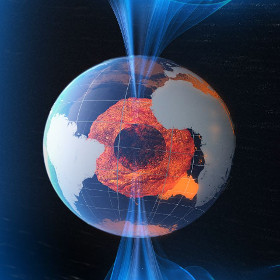
Scientists warn that the North can return to the South and vice versa when the Earth's pole alternates because the magnetic field changes.
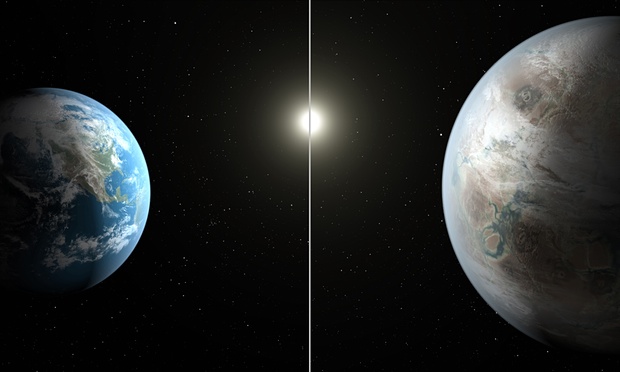
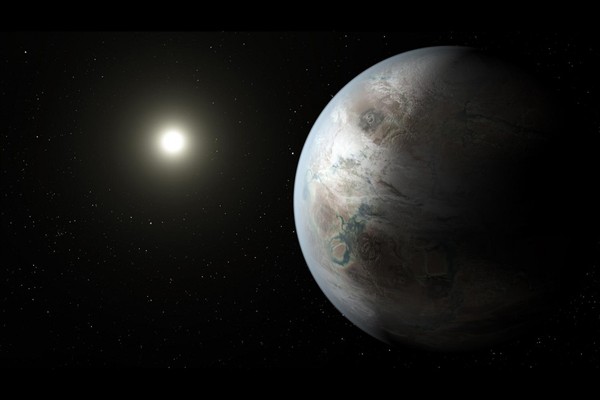
Kepler 452b is the most Earth-like planet ever found by humans (thanks to NASA's work). This planet is about 1400 light years away (that is, the image we saw now is 1400…
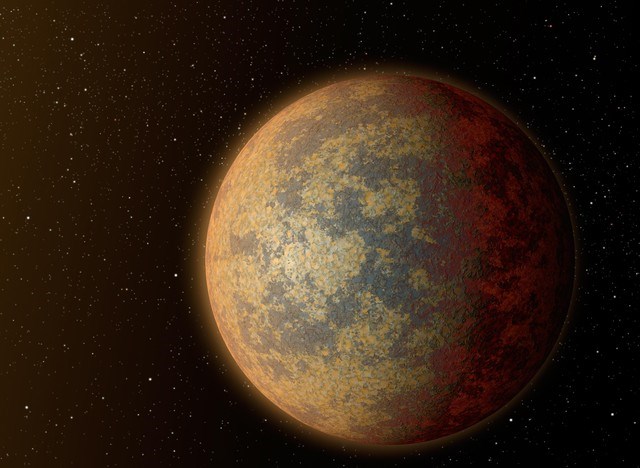
Although it is expected to be the most Earth-like planet with an extremely close distance, HD 219134b is still not possible
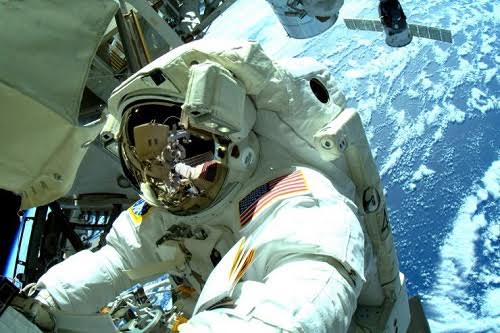
The European Nuclear Research Organization (CERN) came up with the idea of equipping spacecraft and astronauts with a superconducting magnetic shield to protect agains…
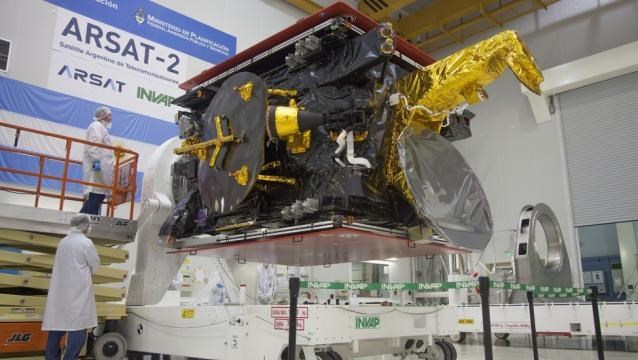
On August 12, the geostationary satellite named Arsat 2, made by Argentine scientists, was transferred to a container ready to be transported to the ground of Kourou in…
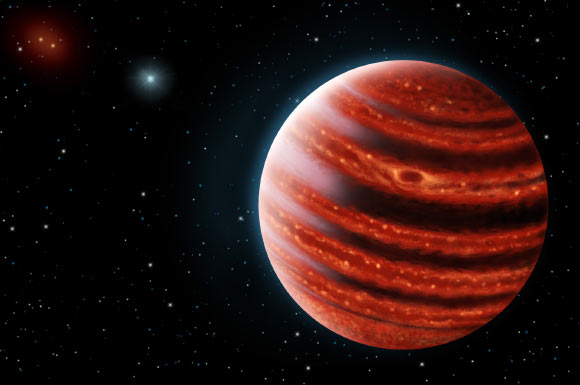
Using specialized devices, astronomers discovered a Jupiter-like young planet 97 light-years away from Earth and dating only 20 million years old.
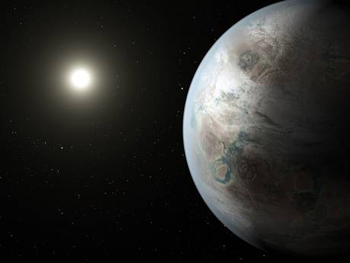
Kepler-452b, the most Earth-like planet discovered so far, may be warmer, wider, and have surface water.
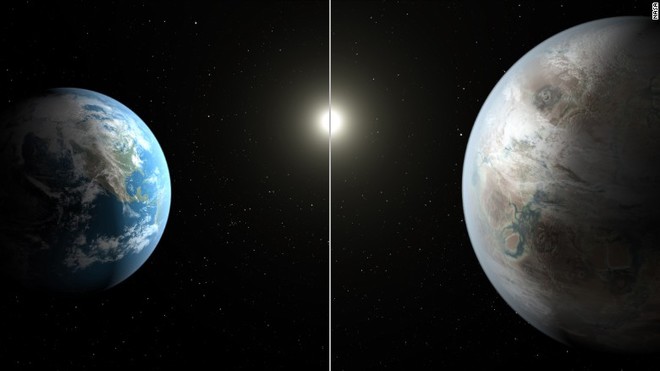
NASA's Kepler space probe ship detected 12 of the more than 1,000 planets in the Milky Way orbit around its star like Earth and could survive life.
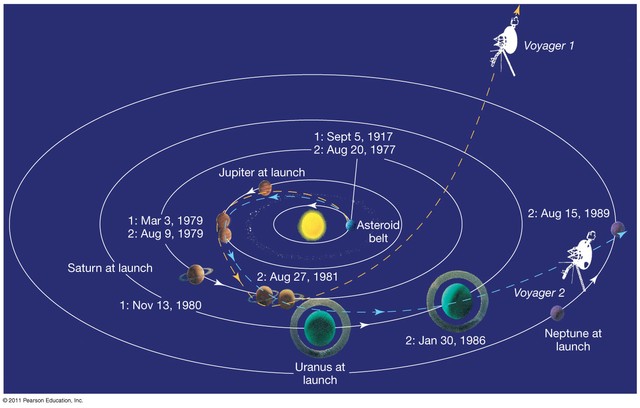
Two Voyager 1 spacecraft and Voyager 2 were launched into space by humans in 1977. The aim of the two ships was to investigate Jupiter, Saturn, Uranus and Neptune's beha…
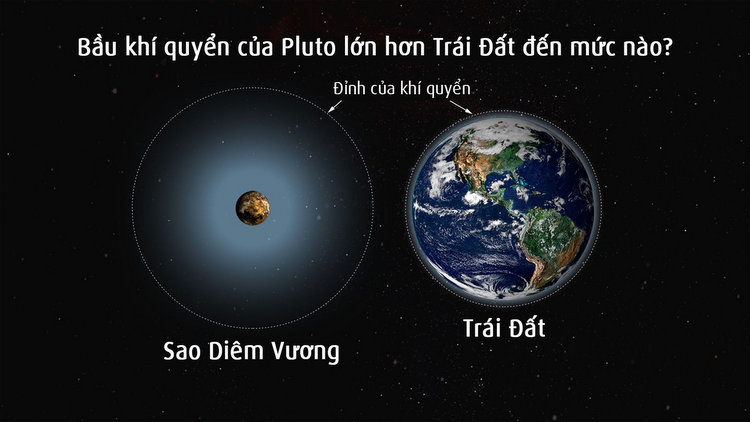
Data from the New Horizons spacecraft of the US Aeronautics and Space Administration (NASA) show that the surrounding gas layer around the dwarf planet spans about 1,000…