
Space science
Snow falls on Mars
Scientists at the University of York, Canada on July 4 published the results of a study that found snowfall early every morning on Red planet.
Browse ScienceInfo articles and explainers related to Earth.
6,634 published items.
Scientists at the University of York, Canada on July 4 published the results of a study that found snowfall early every morning on Red planet.
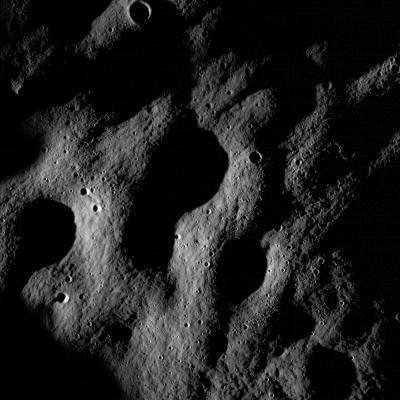
NASA's Lunar Reconnaissance Orbiter (LROC) camera captures and retrieves the first images of the Moon, beginning with the task of mapping the surface of the closest plan…
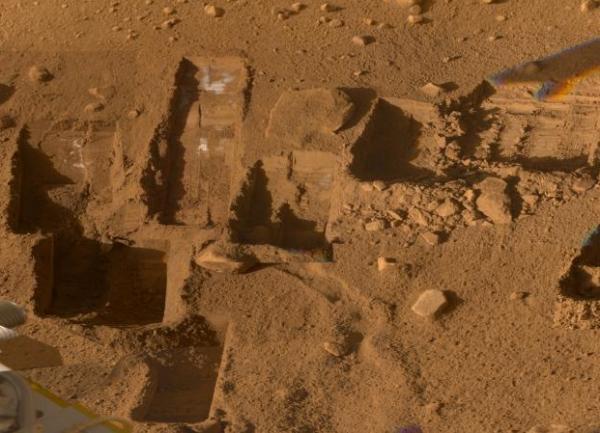
Scientists have released new details about Mars' water history from the Mars exploration mission of the Phoenix Mars (NASA), operated by the University of Arizona.
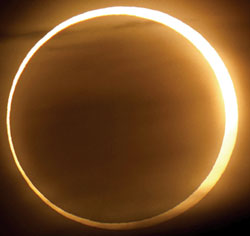
On the morning of July 22, the longest total solar eclipse of the century will start from India, Nepal, Myanmar ... and beyond the Pacific Ocean. In Vietnam, the most ob…
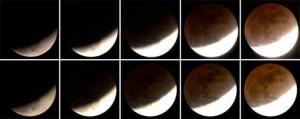
The lunar eclipse has been thoroughly documented throughout human history. This rare and breathtaking phenomenon appears when the Moon enters the darkness of the Earth a…
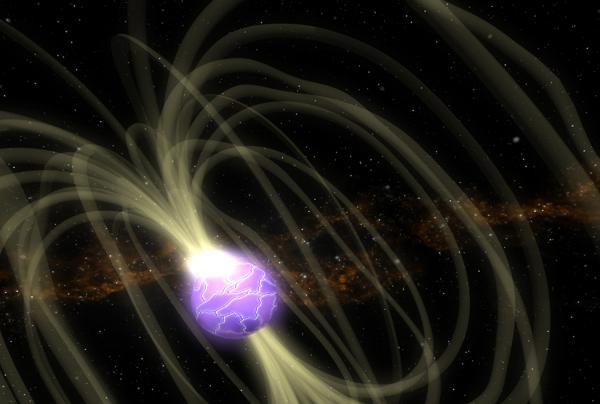
According to NASA's Swift satellite, many radioactive streams are emitted from a rare object, which is known as a short gamma radio station (SGR soft gamma).

Data provided by Japan's space probe Kaguya shows that there is evidence of the existence of uranium on the moon.

A recent study shows that part of the atmosphere of the planet is losing by the solar wind.

Each year the distance between the sun and the earth increases by 15 cm. The momentum of the sun's decline may be the cause of this phenomenon.
People always wonder where our earth is, our galaxy comes from. A group of scientists recently reached a step closer to the answer ...
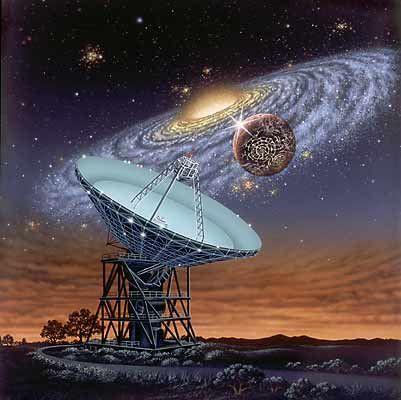
Things have changed since Secretary Kirk and Spock conducted a search for life and new civilizations.
Things have changed since Secretary Kirk and Spock conducted a search for life and new civilizations.
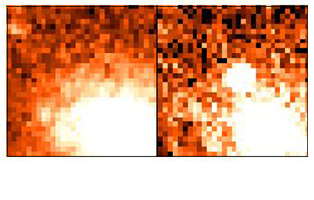
The team of scientists has developed a tool to measure distances from Earth to supernovae with unprecedented high precision.

Observers and researchers of Saturn's Titan satellites say that Titan satellite clouds form and move quite like clouds on earth, but at a much slower rate.

As the sun turns into a red giant, the orbits of the planets near it will be disordered, leading to the risk of collisions between the planet and Mars and Venus.