
Space science
America began its mission to find planets like Earth
The telescope carries the mission of searching for life-capable planets that have just been launched into space at an American military base.
Browse ScienceInfo articles and explainers related to Earth.
6,634 published items.
The telescope carries the mission of searching for life-capable planets that have just been launched into space at an American military base.


The cosmology professor Paul Davies, University of Arizona, affirmed: people are sharing this planet with a life completely different from what we still know.

A spacecraft of the US Aerospace Agency (NASA) will be launched into the March 5 space, bringing a super large camera ...

Today, the blue two-tailed comet sprayed poisonous gas called Lulin to the closest position to the earth, with a distance of about 60 million kilometers or 160 times fro…

Yesterday morning, the US aerospace agency (NASA) introduced a satellite named OCO to assess the density of CO2 emissions in the earth's atmosphere into space.

Yesterday, America's CO2 emission satellite named Orbiting Carbon Observatory (OCO) fell to the area near Antarctica, shortly after leaving the launch pad due to technic…

China's Hang Nga 1 satellite landed on the moon yesterday, ending its mission to explore the planet for 16 months.
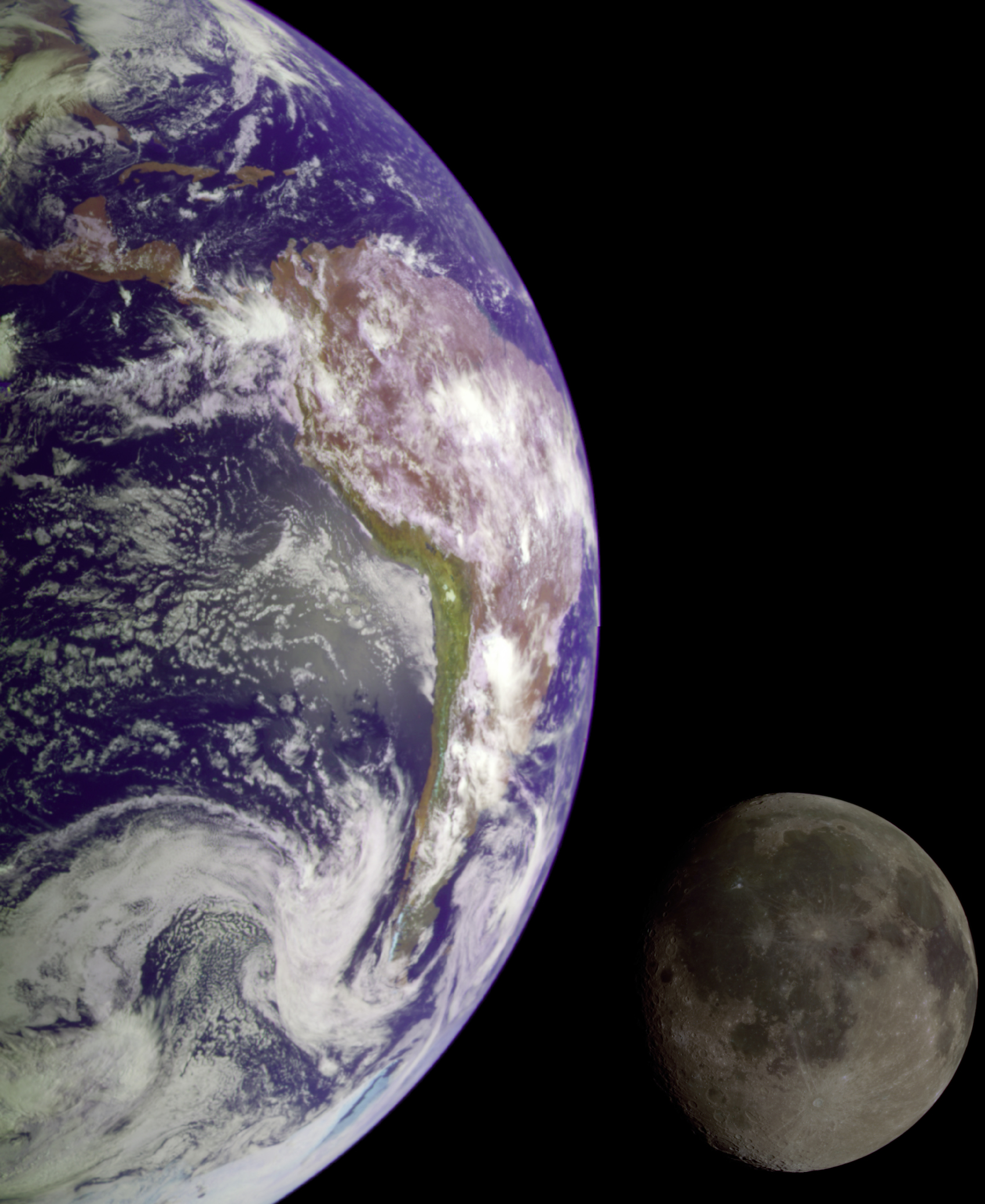
Observations from Japan's Moon SELENE (Kaguya) spacecraft are opening new insights into the complex geological differences between the near face and the far side of the…

For a long time, scientists knew the existence of zircon particles on the Moon. However, concerns about zircon beads have faded over the past one to two decades.

Astronomers reported that an asteroid the size of a 10-storey building has just passed through the globe.

US scientists worry that an imminent storm could disable the entire electrical system, telephone network, even the earth's water supply system.

The earth may be hit by a massive meteorite in 160 years. That is the warning of Italian scientists, posted on the latest New Scientist digital issue.

NGC 2264 is located 2,600 light-years from Earth in the faint constellation Unicorn of Monoceros, not far from the familiar Hunter constellation of Orion.
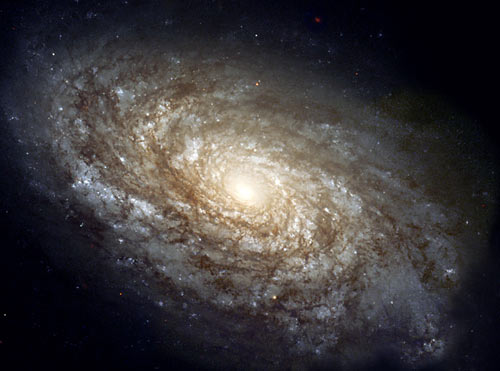
For decades, scientists believe that the galaxy - the home of the Earth - is just a child next to the neighbor Andromeda giant.