Space science
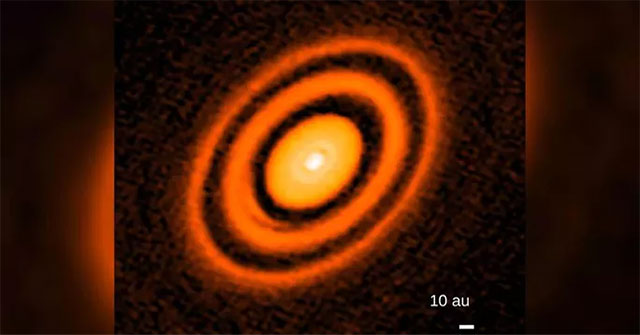
Humans are living on a super-Earth without a 'Ring Sun'?
Dense rings of dust around a Sun that look nothing like the Sun today have prevented our planet from evolving into a super-Earth.
Browse ScienceInfo articles and explainers related to Earth.
6,634 published items.
Dense rings of dust around a Sun that look nothing like the Sun today have prevented our planet from evolving into a super-Earth.
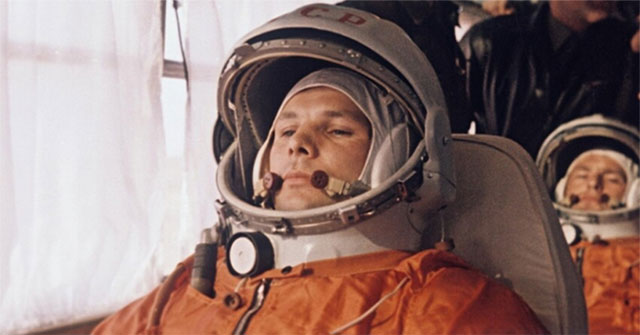
Photos taken of Yury Gagarin back to Earth after the space flight showed him only wearing a regular warm suit, so what happened?
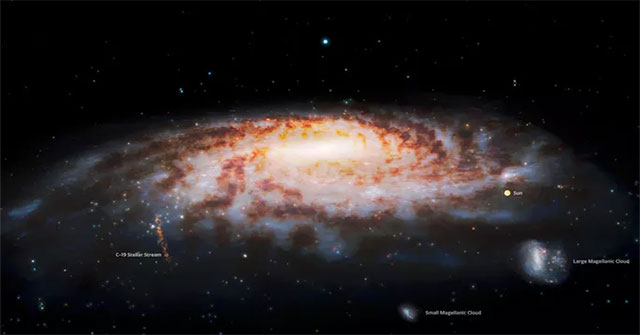
ESA's Gaia Space Telescope and Canada-France-Hawaii Telescope have both recorded a strange line of stars, clearly not belonging to our galaxy.
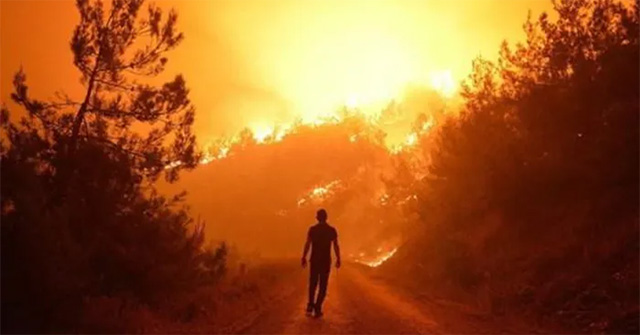
Most countries on Earth are likely to experience extreme heat waves every two years by 2030.
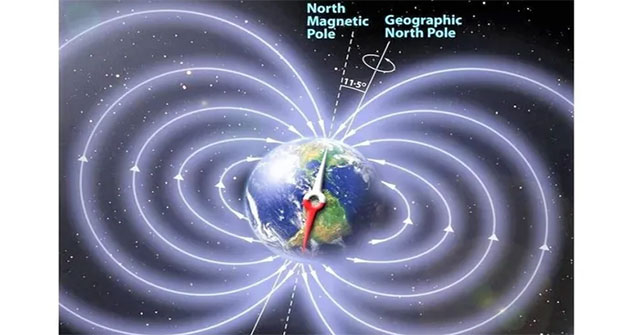
The Earth's magnetic north pole continues to shift for reasons that have not been fully explained by science.
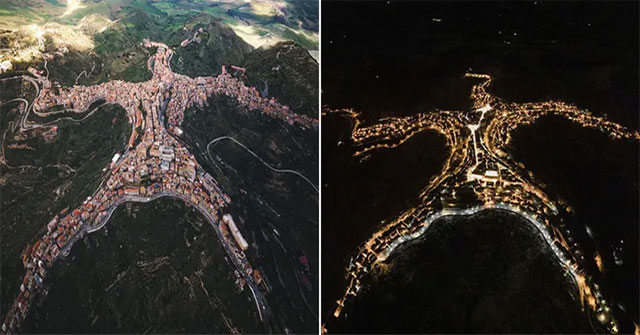
The 32-year-old man used a drone to record an entire humanoid town in Italy.
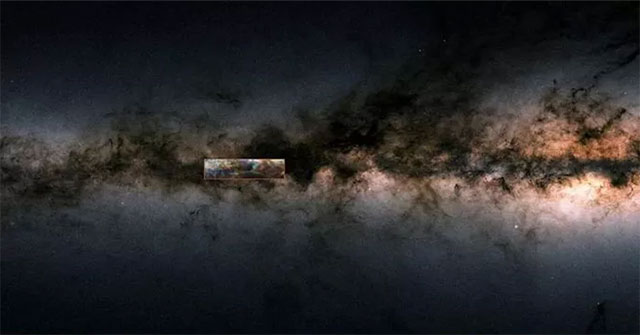
Maggie is a mysterious, unknown, and one of the largest filamentous structures ever observed in a galaxy containing the Earth's Milky Way.
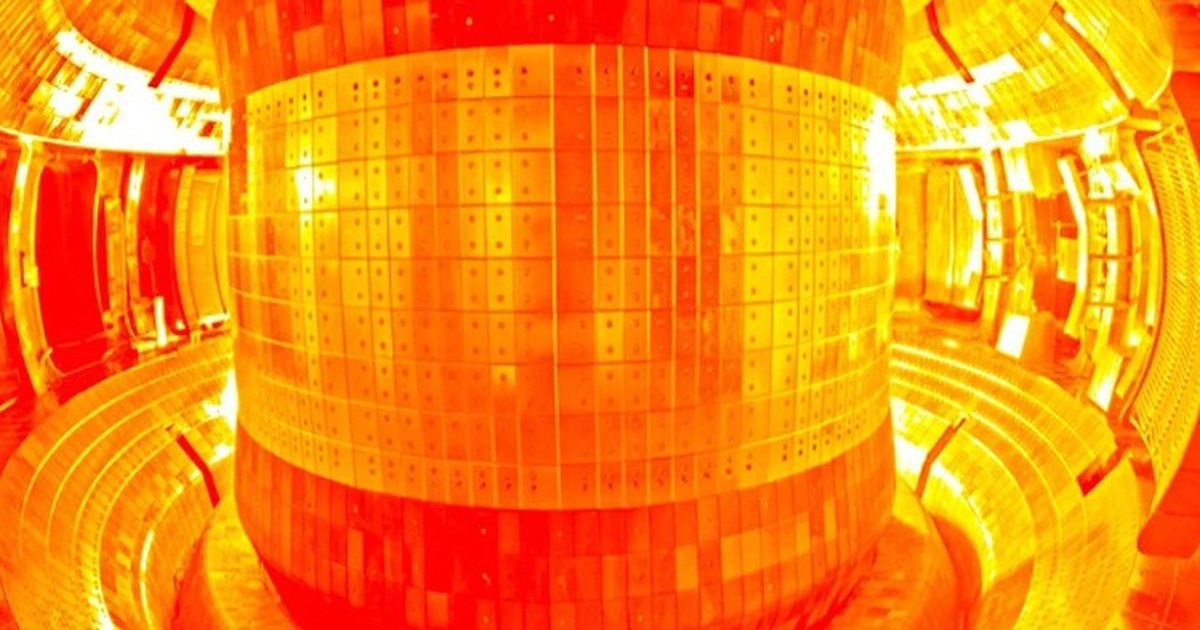
The model of a fusion reactor being tested could help harness virtually limitless clean energy, five times hotter than the sun.
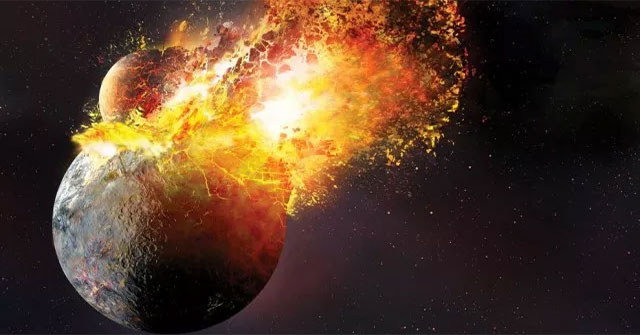
Australian scientists have come up with a shocking explanation for the extremely low-velocity region inside the Earth - another world with a giant ocean of magma, made u…
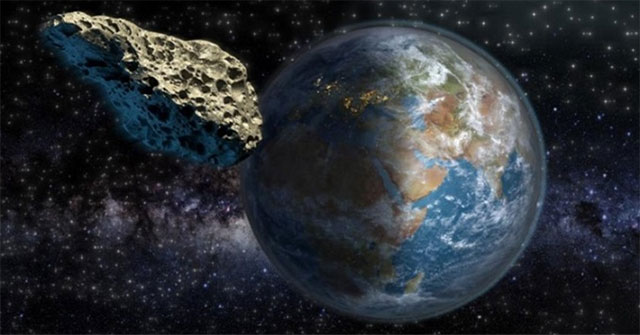
Asteroid Apophis will pass by Earth in April 2029, which can release 30 times more energy than the Tsar Bomba atomic bomb if it collides.
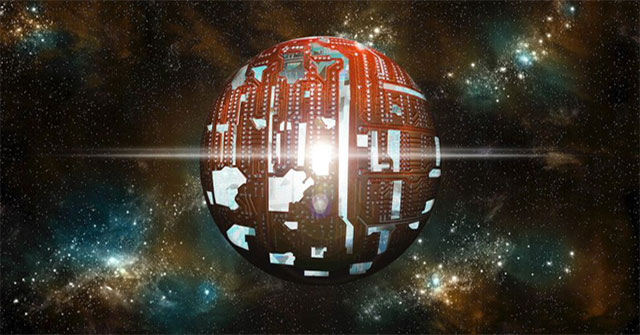
Live Science reviews some of the most remarkable studies and discoveries on the quest for alien life that the world astronomers are constantly pursuing.
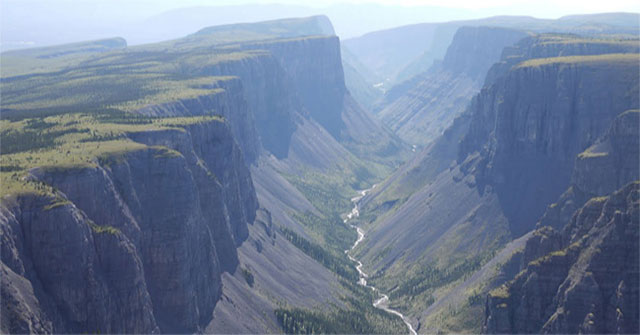
Canada's Northwest Territories are truly one of the wildest places on Earth. There is a place here called Nahanni valley. This is where a number of myths and mysteries a…
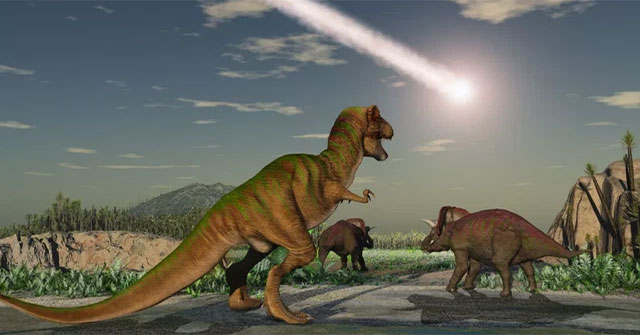
But come to think of it, it was the stone that fell from the sky that opened a new chapter for mammals. Spring is still the season of life.
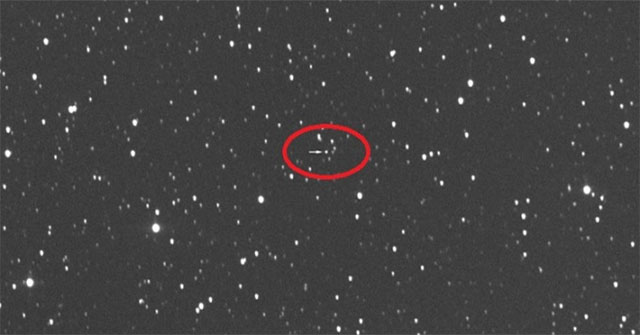
James Webb, the most powerful space telescope in history, is moving further and further away from Earth.
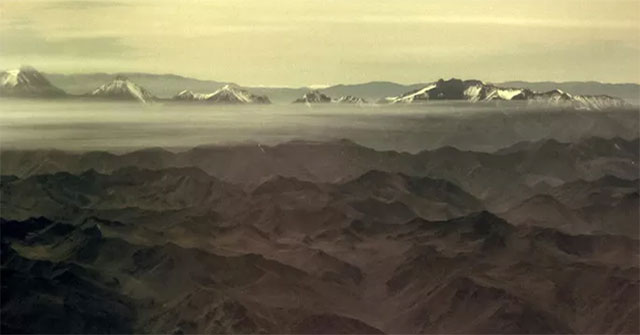
Desert dust - fine and capable of reaching high into the sky like ghosts - has the ability to destroy many pollutants, but also silently causes terrifying effects.