
Discover science
Leonardo used both fingers to paint the Mona Lisa
The secret to Leonardo da Vinci's Mona Lisa's optical effect for Mona Lisa painting was first deciphered by French researchers.
Browse ScienceInfo articles and explainers related to Effect.
2,020 published items.
The secret to Leonardo da Vinci's Mona Lisa's optical effect for Mona Lisa painting was first deciphered by French researchers.

According to US scientists, silicone oil helps reduce eye damage when patients use radiation therapy to treat tumors.

Austrian researchers claim, listening to genius composers Mozart's symphonies does not make people smarter.

According to in-depth research on climate change on the Arctic, people are extending the time to the next ice age.

New research on the effects of wave explosions can help deepen understanding of head injury and improve the design of protective helmets for soldiers.
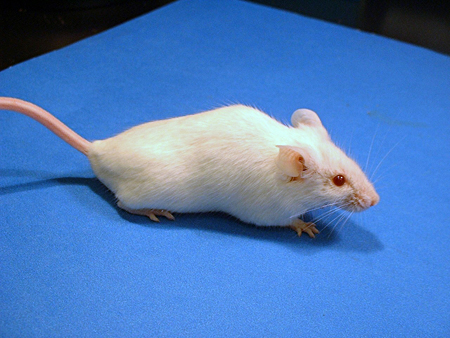
It is not the mouse that speaks in cartoons, this is a flesh-and-bone mouse that carries a version of the human gene involved in speech, a new study says.

New research shows that natural selection may form a slower sequence of human genes than one might expect.

Many individuals drink alcohol better than others because they own a special gene, US scientists claim.

German psychologists affirmed that spending human money creates a sense of satisfaction in the brain like addictive substances.
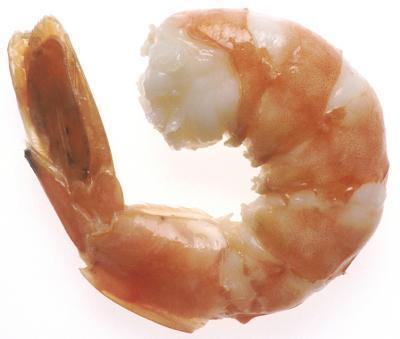
Scientists in Italy have just announced the successful production and application of a new method of detecting additives that work like xenoestrogen.

Regular stress often results in a heavy physical and mental effect on our bodies.

Blue, which is often thought of as a relaxed feeling, can make people more creative and adventurous. While red makes people more focused.
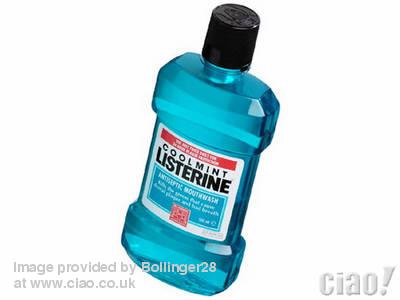
There is no need to follow a doctor's prescription, mouthwash disinfectants have the effect of eliminating bad breath.
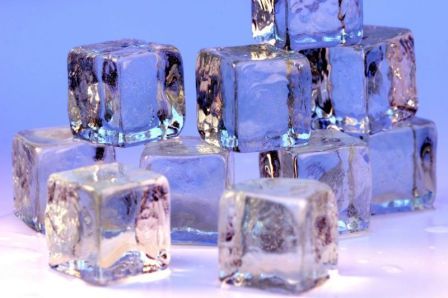
In general, the water is frozen into ice at 0 degrees Celsius. Although there are logical arguments, in fact hot water can freeze faster than cold water under certain co…
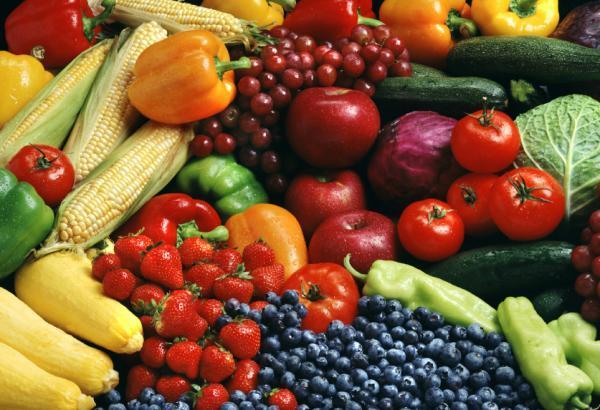
A study published in The American Physiological Society, mice injected with quercetin - a natural compound in vegetables - is less likely to get the flu.