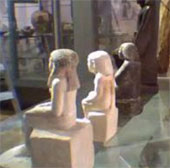
1001 mystery
Mysterious Egyptian statues themselves move
It can be said that the mysterious, creepy phenomena related to the curse of Egypt do not only appear on film, but even in real life.
Browse ScienceInfo articles and explainers related to Egypt.
783 published items.
It can be said that the mysterious, creepy phenomena related to the curse of Egypt do not only appear on film, but even in real life.
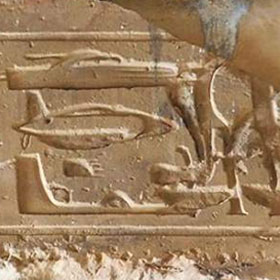
Reliefs with images of helicopters and submarines found in ancient temples raise the question: Did the ancient Egyptians own these devices?
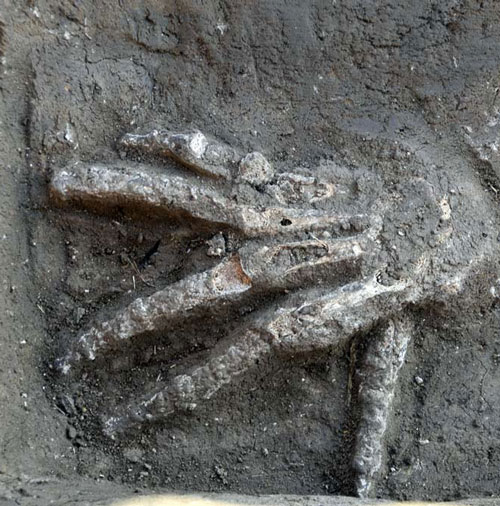
A group of archaeologists has discovered a scene like in a horror film with 16 severed hands buried inside and around an ancient Egyptian palace.
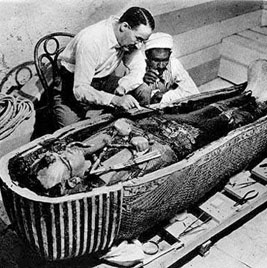
Since the discovery of the nearly intact tomb of King Tutankhamun (reigning in the 18th dynasty of ancient Egypt) in 1922, the cause of the mysterious pharaoh's death at…
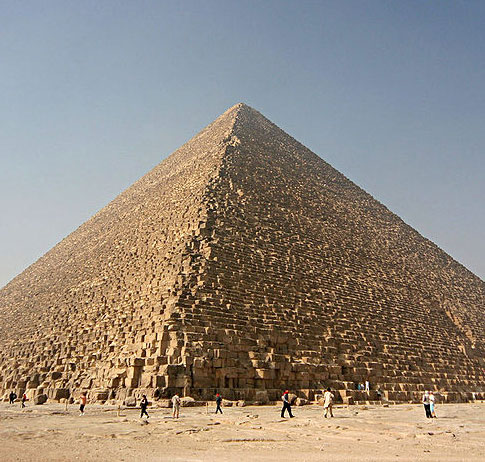
This is a question asked by scientists in the process of studying
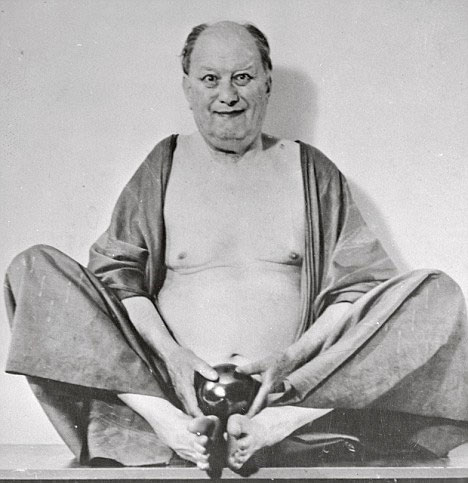
Tutankhamun's deadly curse is actually a murder plot made by a fanatic.
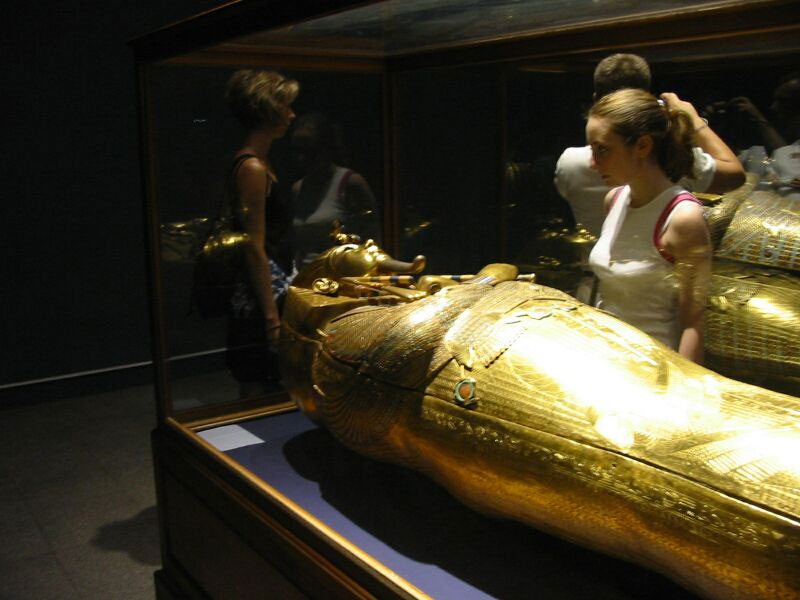
Finding the exact method involved in embalming and preserving the living bodies as if they were alive is still a mystery. So what did the ancient Egyptians do for mummif…

Although the Egyptian Pyramid over 4,000 years of historical years still encompasses a mysterious veil, filled with mystical nuances.
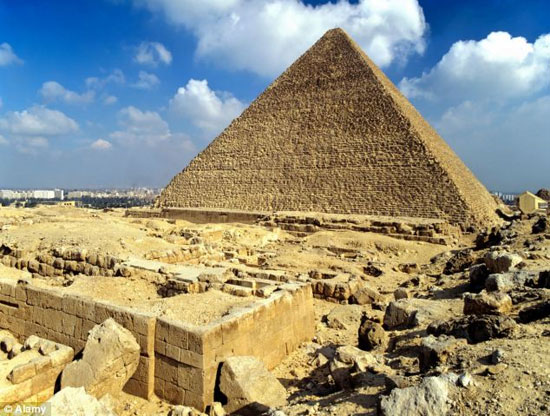
The last great secrets of the pyramids in Egypt could be deciphered with the help of a robot built at the University of Leeds, United Kingdom.
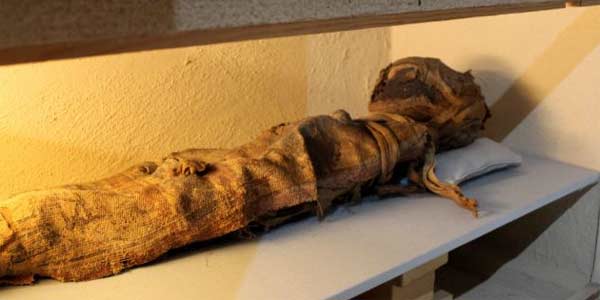
A 1,700-year-old Egyptian mummy was discovered to be male, despite using women's clothing. This mummy also revealed death due to brain bleeding.
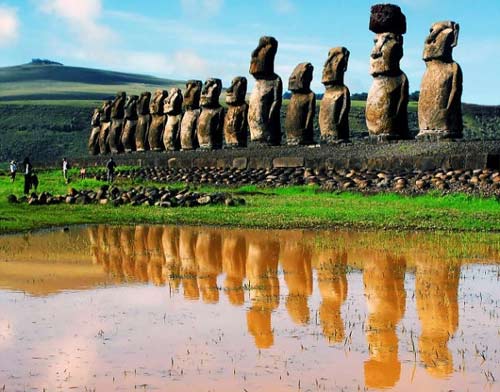
So far around them there are still countless rumors that even scientists have to give up.

In 1973, for the first time, observing the image of Pharaohs, Dr. Vladimir Kovtun noticed that they were holding two cylindrical objects in their hands.
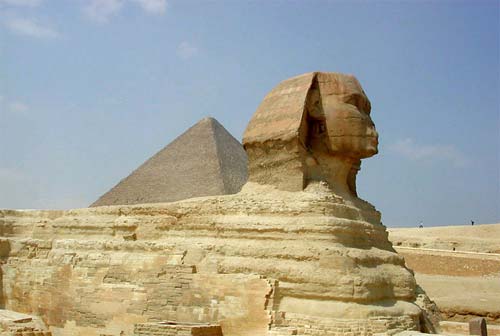
The Sphinx is located in the desert of Egypt about 8 miles from Cairo, used to guard the three great pyramids in Gizah. It was a monster carved in stone, the head of a l…
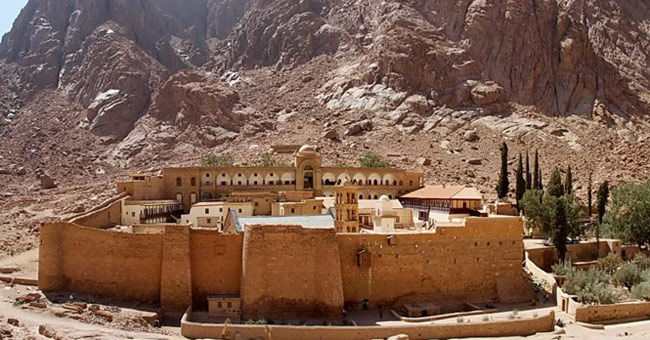
Unesco's Scientific, Educational and Cultural Organization has recognized the Monastery of Saint Catherine of Egypt as a World Cultural Heritage in 1979.
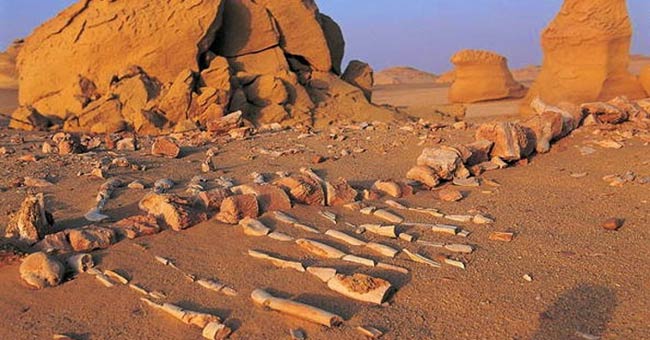
Unesco's Scientific, Educational and Cultural Organization has recognized the Egyptian Whale Valley as a World Natural Heritage in 2005.