Environment
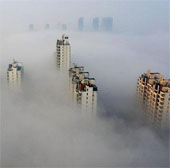
Beijing improves air quality by 2030
The Chinese environmental agency recently said that concentrations of polluting particles in Beijing's air are expected to fall to a safe level according to internationa…
Browse ScienceInfo articles and explainers related to Emission.
570 published items.
The Chinese environmental agency recently said that concentrations of polluting particles in Beijing's air are expected to fall to a safe level according to internationa…
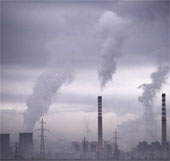
On May 26, the World Meteorological Agency (WMO) announced that the concentration of CO2 in the atmosphere has exceeded the new threshold.
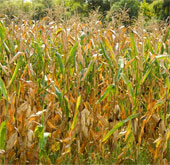
After harvesting, the corn plants are released into the environment with many fibers which seem useless such as stems, leaves, shells, corns ...

The intergovernmental committee on combating climate change (IPCC), has released a more cautious new forecast regarding the possibility of melting ice in the Himalayas.
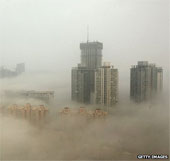
Air pollution in China and other Asian countries is having a huge impact on climatic zones across the northern hemisphere, a recent study said.
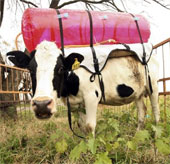
Scientists in Argentina have found a way to capture the amount of methane released from the cow's intestinal tract.
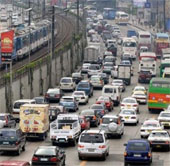
Predicting the world in the next century: hotter, drier, more hungry and the chance of turning off air conditioning is impossible.
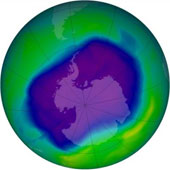
A new study found that four new artificial gases have appeared in the atmosphere.
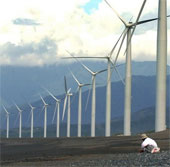
The European Union (EU) has made steady progress towards the goal that by 2020, renewable energy sources will account for 20% of the total energy consumption of the whol…
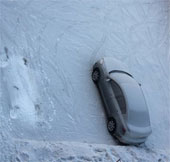
Black snow appears and covers a city in the Siberian region (Russia), causing locals to worry about the impact of environmental issues on their lives and health.
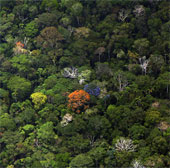
Prolonged drought with widespread forest fires is reducing the carbon uptake of the world's largest rainforest.

In October 2009, President Yudhoyono announced that Indonesia would cut CO2 emissions by 26% by 2020, of which 40% would be implemented with international support.
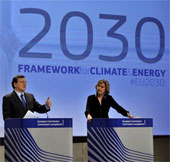
This is a mandatory target for the whole EU but is not binding on the governments of each member state.
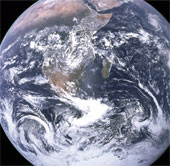
The average global temperature will increase by at least 4 ° C by 2100 and possibly more than 8 ° C by 2200 if greenhouse gas emissions are not reduced.

Pacific countries can suffer from 2.9-12.7% of Gross Domestic Product (GDP) by 2100 because of the effects of climate change.